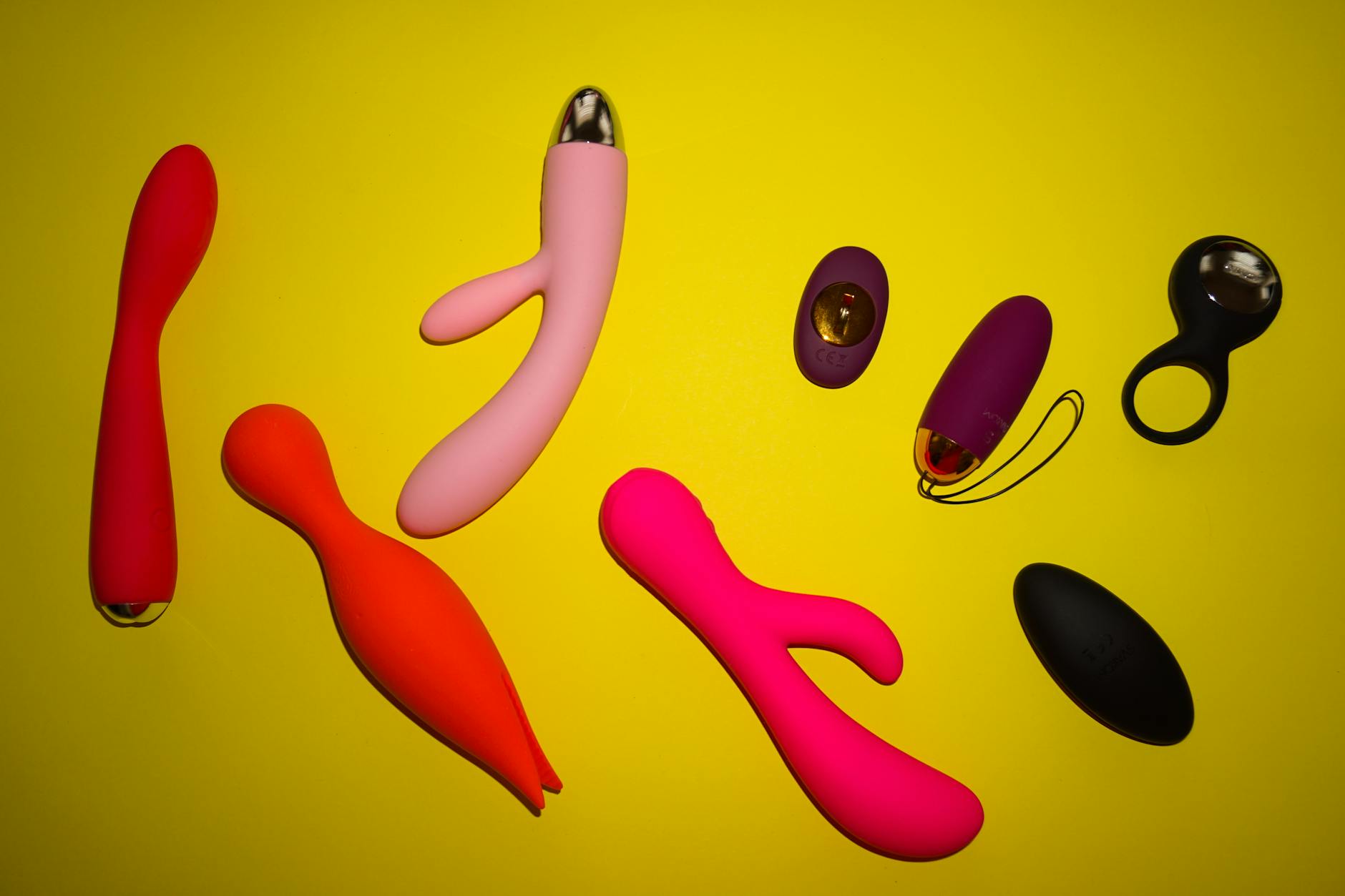
Let's start with the honest part
You've met someone new. The chemistry is real. And now you're facing a question that's part logistics, part vulnerability: How do you introduce a vibrator into sex with a partner you're still learning about?
Here's what I've noticed from years of coaching couples through this exact moment: the anxiety isn't usually about the vibrator itself. It's about being seen. When you're starting over sexually later in life, you're not just learning a new partner's body. You're deciding how much of yours to reveal.
Why a lemon vibrator changes the conversation
A lemon clitoral vibrator is not a substitute for your partner. It's a translator. It's the bridge between what you need and what they can intuitively provide.
Here's the practical neurology: when you use a lemon sucker device during partnered sex, your nervous system gets dual input. You're experiencing both their touch and the targeted stimulation your clitoris responds to best. This matters because it takes the pressure off them to "figure out" your body perfectly on the first try (or the hundredth). Nobody needs that weight.
What often happens is this. Your new partner watches you use the lemon vibrator. They see what actually makes your body respond. Then they learn. They start understanding your rhythms, your timing, what sends your nervous system into a good place. That's not less intimate. It's more honest.
The practical setup that works
Let's talk logistics because nerves need something concrete to land on.
Timing. Introduce the idea outside the bedroom first. Not during sex, not in the moment. Over dinner, in conversation, normalize it. "I've been using a lemon vibrator solo and it genuinely helps me get where I need to go faster. Would you be open to me using it with you sometimes?" That's it. Direct, no preamble.
The first time. Start with foreplay where the vibrator is already part of the action. Don't wait until you're mid-penetration and suddenly introduce it like a plot twist. Instead, when you're building arousal together, take it out early. Let them see it. Let them understand it's part of the plan.
Positioning. A lemon vibrator is small, which means it doesn't create a choreography problem. If you're on top, you can reach it yourself. If you're facing each other, your partner can hold it. If they're behind you, same deal. The device isn't large enough to demand a specific position, so you stay flexible.
Sensation sequencing. Start at lower intensity. Show your partner which pattern (usually 1 or 2) feels good to you. Let them watch your face. This is the teaching moment. You're not performing. You're communicating through your body what actually works.
What to expect emotionally
Some partners feel insecure the first time. This is normal and brief if you handle it right.
The insecurity usually sounds like: "Does that mean I'm not enough?" The answer is no. But the framing matters. This isn't about replacement. It's about precision. You don't use your partner's hands instead of penetration. You use both. A lemon clitoral vibrator works the same way.
If your partner expresses hesitation, redirect the conversation toward collaboration rather than reassurance. Instead of "You're totally enough," try: "I want you to see exactly what gets me there. Then we can figure out how to make this work together." That invitation to participate often dissolves the worry.
Another common emotion: relief. Many partners feel genuinely grateful to have a concrete answer to the question "What do you actually need?" After years of guessing in previous relationships, being shown directly is a gift.
The lemon clitoral vibrator advantage for new partnerships
Why specifically a lemon sucker over a wand or rabbit or internal vibrator? A few reasons that matter for new partners.
Size and visibility. It's small enough that it doesn't feel like it's taking up space in the relationship. Wands can feel overwhelming to a new partner. The lemon vibrator is proportional, discrete, easy to understand.
The sensation is distinctive. Air-pulse technology feels categorically different from traditional vibration. When your partner feels it on their own hand first (yes, they should), they understand the technology isn't trying to replicate the human touch. It's offering something different. That distinction lowers the ego stakes.
Ease of collaboration. Unlike internal vibrators that require specific positioning, you and a new partner can use the lemon lem in almost any configuration. You're not relearning your entire sexual map together. You're just adding one tool that works.
Communication patterns that actually work
Here's what I tell couples starting over sexually together.
The vibrator is an opening for deeper conversation, not a replacement for it. Use it as a way to talk about other things that matter. "When we use this, I like when you focus on my face," leads to "I like being watched." Which leads to "Let's talk about what makes you feel watched in a good way." That's the real intimacy.
If something isn't working, name it immediately. New partners often overthink small adjustments. "Can you angle it a bit differently?" is not a critique. It's collaboration. Frame it that way.
And honestly? Some sexual dynamics shift once pleasure is actually happening consistently. People relax. Creativity increases. Vulnerability deepens. Using a lemon vibrator together often unlocks conversations that would have taken months to happen otherwise.
The timeline most partners follow
Here's the arc I see most often.
First time using it together: mild anxiety, curiosity, some awkwardness. Expected. Normal. This passes in about 90 seconds.
Second and third times: your partner starts paying attention to patterns instead of worrying about themselves. They learn what your body actually needs. This is when the insecurity usually dissolves.
Week two or three onward: the vibrator becomes integrated. Sometimes you use it, sometimes you don't. It's just a tool in your shared toolkit, not the focus anymore. That's the goal.
Some partners eventually want to use the lemon vibrator solo together while you focus on your partner's body. That's a natural evolution and worth being open to when it surfaces.
Addressing the elephant in the room
Yes, your partner might worry that using a vibrator means you're not attracted to them. This is worth naming directly and early.
Physiology is not preference. Your clitoris responds to certain patterns of stimulation. A lemon clitoral vibrator activates those patterns more efficiently than most hands can. That's not about your partner's attractiveness or sexuality. It's about nerve density and rhythm consistency.
If you're navigating how to use a lemon vibrator when your partner has never tried one, the same principle applies. Openness beats reassurance. Show them. Answer questions. Let the device become normal through exposure, not explanation.
What changes after you integrate this
Once a lemon vibrator becomes part of your shared sexual life with a new partner, something shifts. Sex stops being about one person's performance and becomes about mutual pleasure. Both of you get to relax because the outcome isn't entirely dependent on guessing.
You also get to experience pleasure that's actually consistent. No more varying levels of orgasm based on your partner's stamina or anxiety. When you need targeted stimulation, you have it. That stability is its own kind of intimacy.
New partners also often report that watching their partner experience real, reliable pleasure makes them want to show up more. It's paradoxical but real: introducing efficiency into pleasure deepens connection rather than diminishing it.
FAQ: What other people are actually asking
Does using a vibrator during partnered sex mean I should be having orgasms more easily?
Not necessarily on demand, no. But yes, you should expect more consistent orgasms once your partner understands your specific needs. A lemon vibrator shortens the discovery curve significantly. Instead of your partner learning your body over months, you're showing them directly. This usually means earlier and more reliable orgasms within weeks.
What if my partner wants to use the vibrator on me but I'd rather do it myself?
That's totally valid. Your body, your comfort. Tell them clearly: "I'd love for you to focus on [kiss me / touch my breasts / watch my face] while I use this." Collaboration doesn't always mean shared control of the toy. Sometimes it means directing their attention elsewhere.
Can I use a lemon vibrator if we're doing penetrative sex?
Absolutely. The lemon clitoral vibrator is small enough to work during most penetrative positions. Many couples use it during partnered penetration specifically because it addresses the gap: most people with vulvas don't orgasm from penetration alone. The vibrator bridges that gap. Some partners even find that consistent clitoral stimulation makes penetration feel more intense for both of you.
Is there a "right" order to introduce this? Should we talk about it first or just bring it out during sex?
Talk about it first, always. Springing a vibrator on someone mid-sex isn't collaboration. It's surprise. A quick conversation (literally 30 seconds) prevents weirdness: "I want to try using my vibrator when we have sex. Would that feel okay to you?" Then you move forward knowing you're both on the same page.
What if my new partner seems threatened or uncomfortable?
Give them space to name the feeling. Ask: "What's coming up for you?" Often it's insecurity, sometimes it's just unfamiliarity. If it's the latter, showing them how the device works on your own hand first can defuse the anxiety. If it's deeper insecurity, that's something to explore in a bigger conversation about what pleasure means to both of you. How to use a lemon vibrator when desire timelines don't match your partner covers that terrain more deeply.
Will using a vibrator with a new partner make them think I'm too sexual or demanding?
Not if you present it as information, not performance. You're not asking them to do something. You're showing them something that helps your body work better. That's maturity, not excess. Most partners feel relief that you know what you need instead of expecting them to intuit it.
The real prize
Starting a sexual relationship later in life with someone new is an opportunity most people don't get twice. You know yourself. You know what feels good. You're not pretending to enjoy things that don't work for you.
A lemon vibrator in that context is just honesty made physical. It's you saying: "Here's what I need. Let's figure out how to make this work for both of us." That's not less intimate than anything else. It's more.