
The Timeline Problem Nobody Talks About
Here's the thing nobody explains clearly: desire mismatch isn't just about one person wanting sex more often. It's also about the speed at which your bodies and minds get ready. One partner might be aroused and physically ready in minutes. The other might need twenty minutes of mental preparation, or might need a conversation first, or might need to feel emotionally safe before anything sexual registers as appealing.
This timing gap creates invisible friction. The person who's ready faster feels rejected ("They don't want me"). The person who needs more time feels pressured ("It's never about connection, it's just about getting off"). Neither person is wrong. Both are just operating on different timelines.
I've worked with dozens of couples stuck in this exact bind. The relief I see when they realize it's not a desire problem, it's a timing problem, is remarkable. Because timing problems have solutions. Desire problems feel permanent.
Why Desire Timelines Get Out of Sync
There are a handful of predictable reasons this happens.
Stress hits partners differently. One person compartmentalizes work stress and can shift into pleasure mode relatively quickly. The other person carries that tension in their body and nervous system all day. They need genuine decompression before sex feels like anything but another obligation.
Hormones aren't synchronized. If one partner menstruates and the other doesn't, you're literally on different chemical cycles. Peak arousal windows might not overlap. One person feels naturally more interested mid-cycle; the other's baseline desire might be completely flat during that phase.
Attachment styles create different paths to arousal. Someone with an anxious attachment style often needs reassurance and emotional connection before physical touch feels safe. Someone more avoidant might warm up to sex once they're already touching, but the idea of suggesting it first feels too vulnerable. You're asking them to get emotionally exposed first, which feels backwards to how their nervous system works.
Life stage transitions wreck synchronicity. New parent fatigue. Career stress. Aging parents. Identity shifts. Any major life change desynchronizes you because you're managing different cognitive and emotional load.
None of these reasons mean anyone is broken. They mean you're two different people on different trajectories at the same moment in time.
The Real Problem With Ignoring Timeline Mismatch
If you ignore this pattern, a couple of things happen. The faster partner starts initiating less because rejection feels like a pattern ("I've stopped asking"). The slower partner gets more avoidant because they sense the initiation-failure cycle and feel guilty ("I know they want me and I can't seem to deliver"). The couple stops touching altogether because it feels loaded.
Sex becomes transactional instead of connective. Or it stops happening at all. Either way, the gap widens.
This is where many relationships get stuck. Not because anyone stopped loving each other. Because the emotional and physical rhythm that held them together got interrupted.
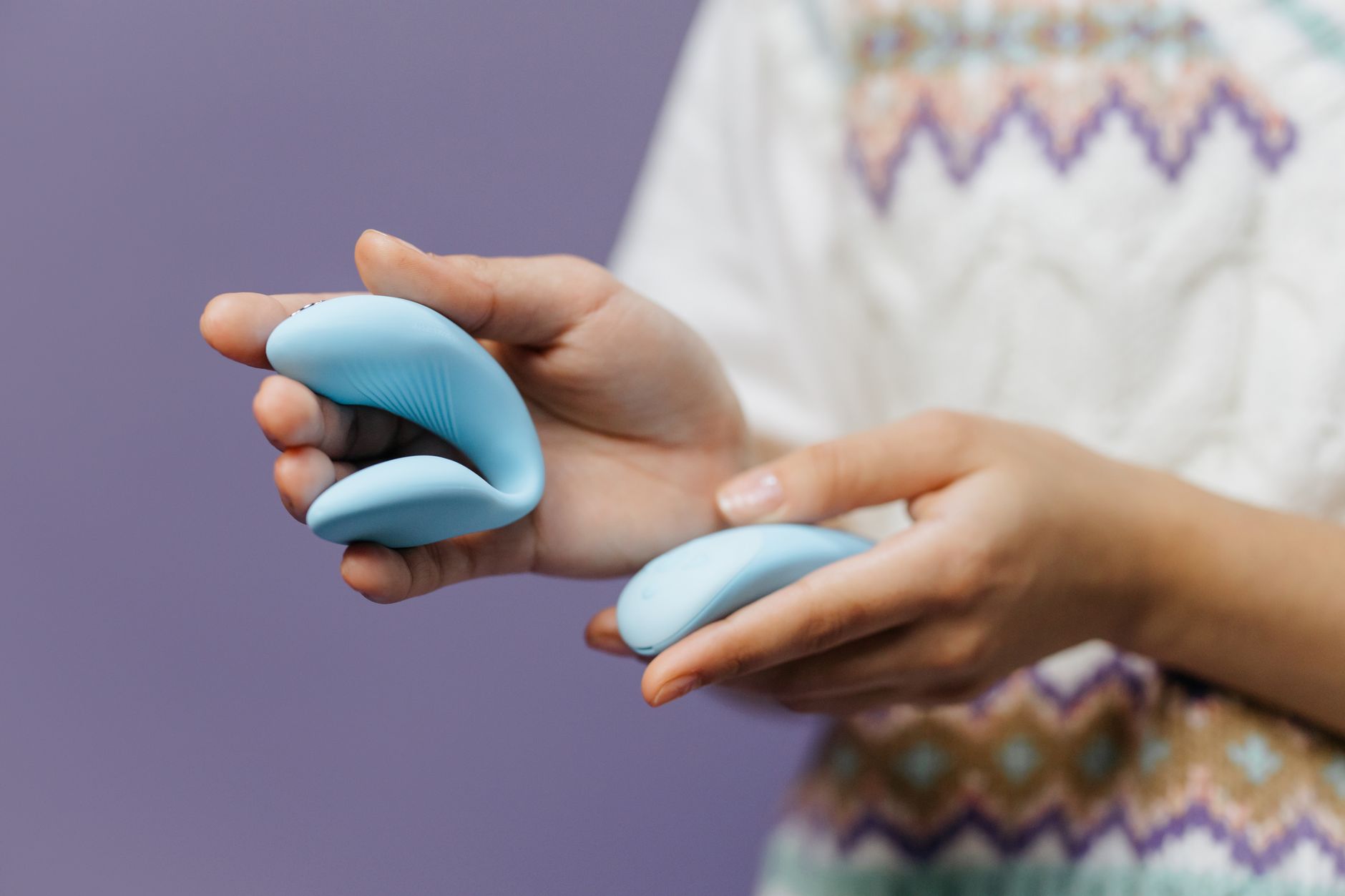
Photo by cottonbro studio on Pexels
How a Lemon Vibrator Bridges Timeline Gaps
Here's the practical part: a lemon vibrator, like the Lem, actually solves a timeline problem in a way nothing else does.
When your desire timelines don't sync, you have two problems:
- The person who's ready wants physical stimulation but the other isn't available
- The person who needs more time feels pressure and guilt
A high-quality clitoral vibrator lets the faster partner manage their own arousal without waiting. This sounds obvious, but the emotional weight matters. Instead of "my partner doesn't want me right now," it becomes "I'm taking care of myself, and maybe my partner will join." That's a completely different energy.
The slower partner gets pressure relief. They're not being asked to perform on a timeline that doesn't fit. And here's the thing: when pressure disappears, arousal often shows up on its own. It's weird how that works.
If your partner does join you while you're using the Lem, the dynamics shift. You're not trying to synchronize from zero. You're meeting somewhere in the middle. The slower partner watches, touches, talks, or just sits with you without the pressure of being "on." Often they get curious. Sometimes that curiosity turns into their own arousal. But even if it doesn't, you've kept the intimacy alive instead of letting the gap become a chasm.
The Communication Part (Which Matters More Than the Toy)
None of this works if you're using the vibrator as a secret solution or as a way to avoid talking about the timeline problem. So here's what you actually need to say.
Pick a time when you're both calm and clothed. Don't do this in bed or right before sex. Say something like: "I've noticed we're on different timelines with wanting sex, and I don't think either of us is doing it wrong. I just think we're different, and it's creating friction. I want to talk about how we make this work."
Then listen. Really listen. The slower partner might tell you they feel pressured. They might tell you they feel guilty. They might tell you that once sex starts, they love it, but the initiation part feels like a test they're failing. That information is gold.
Then you can say: "I want to keep touching and connecting with you, but I also don't want you to feel pressure. What if we tried something different?" And then you can talk about what that might look like. Maybe it's using a lemon vibrator solo sometimes. Maybe it's setting a specific time that works better for both of you. Maybe it's a combination. The point is you're deciding together, not around each other.
Practical Strategies When Timelines Don't Align
Beyond the conversation, there are concrete things that actually help.
Create a transition ritual. The slower partner needs a bridge from "not interested" to "maybe interested." For some people, that's a shower. For others, it's being held without sex being on the table first. For others, it's genuinely separate time to move their body or decompress. Ask what makes them feel ready.
Use the Lem while your partner is present but not obligated. There's a middle ground between "sex for two" and "you do your thing alone." Your partner might read next to you. They might touch your arm. They might watch and start feeling curious. The pressure is off. The door is open.
Establish a "yes, later" practice. Instead of "no right now, I'm tired," try "yes, but I need an hour to settle down first." This keeps the desire in the conversation instead of shutting it down. Then actually come back when you said you would.
Check in about what arouses the slower partner. Sometimes the timeline issue hides a deeper problem. Maybe they don't actually feel attracted in the moment. Maybe sex has become associated with obligation instead of pleasure. Maybe they need more novelty, or more emotional intimacy first, or something completely different. Ask. Then listen without defensiveness.
When you're using a lemon clitoral vibrator in this context, you're not replacing your partner. You're creating a tool that lets you both access pleasure without waiting for perfect synchronization. The Lem's precision means you get what you need faster. Less frustration. More connection.
The Risk of Using Toys as a Band-Aid
I need to say this clearly: a vibrator is not a substitute for actually talking about the timeline problem. I've seen couples use toys to avoid the harder conversation about desire mismatch. The vibrator becomes a way to say "never mind, I'll figure this out alone" instead of "we need to figure this out together."
That approach works for about three months, then resentment rebuilds.
The vibrator works best when it's part of a broader decision to stay connected across the timeline gap. It's a tool within a conversation, not instead of the conversation.
When to Get Help Beyond Your Bedroom
If you've had the conversation, tried adjusting your approach, and the timeline gap still feels like a wall between you, it's worth talking to a couples therapist. Sometimes the timing issue is covering something else. Sometimes one partner's timeline is actually connected to relationship anxiety or unresolved conflict. Sometimes it's physiological and needs medical attention.
A trained therapist can help you figure out which one it is. There's no shame in that. You're both trying to stay connected. Sometimes you need a third person to help you see the pattern.
What Actually Changes When You Address This
When couples stop ignoring timeline mismatch and start working with it, several things shift.
First, the pressure dissolves. Nobody's waiting for the other person to be "ready enough." You're not fighting biology or psychology. You're working with it.
Second, touch comes back. Because the pressure's off, you can hold hands or kiss without sex being the inevitable destination. That's when real intimacy returns. Paradoxically, more non-sexual touch often leads to more actual sex because nobody's defending against it.
Third, the resentment stops building. You're not creating a mental file of rejections or a shame spiral about "not being enough." You're actually problem-solving together. That's a profound shift.
Using a lemon vibrator in this context isn't about the pleasure, though that matters. It's about staying connected while you're on different timelines. It's about saying "I want to keep touching, and I'm not going to wait for perfect synchronization to do that."
Questions People Ask About Timeline Mismatch
Q: Does using a vibrator alone mean my partner doesn't love me?
No. Using a vibrator solo while your partner needs more time is actually an act of care. You're managing your own needs so your partner isn't pressured. That's the opposite of rejection. It's self-respect and respect for them.
Q: Will using the Lem make my partner feel like they're not enough?
Only if you're using it as a replacement instead of as a bridge. If you talk about it first ("I want to do this, and I still want you") and you keep inviting them into your pleasure, it actually brings you closer. The resentment comes from secrecy, not from the vibrator itself.
Q: How long does it usually take for timelines to sync back up?
That depends on what caused the mismatch. If it's stress or life stage, it can shift in weeks once the underlying issue changes. If it's attachment patterns or deeper relationship issues, longer. If it's hormonal or medical, you might need professional help. There's no universal timeline, but honestly tracking things for a few weeks usually shows a pattern.
Q: What if my partner refuses to use a vibrator and thinks it's weird?
Then you have a conversation about values and curiosity, not about the vibrator. But also: you don't need your partner's permission to use a lemon vibrator for yourself. You need consent and honesty, but not permission. That's different.
Q: Can a vibrator actually help us reconnect emotionally?
Not directly. But it can remove the barrier that's blocking emotional reconnection. By solving the timeline problem, you get to have the actual conversation about what you both need. That's where emotional reconnection happens.
Q: Is there a "better" way to approach this than using a vibrator?
Sure. You could just wait until both of you are on the same timeline naturally. Some couples do this. But that could take months or years. In the meantime, your non-sexual touch probably disappears. Using a tool like the Lem keeps you connected while you're working on the bigger picture.
The Real Thing to Remember
Mismatched desire timelines aren't a sign that something's wrong with your relationship. They're a sign that you're two different people. The couples who stay connected through these gaps aren't the ones with perfectly matched libidos. They're the ones who decided to solve the timing problem together instead of giving up on each other.
A lemon vibrator is just a tool. The real work is the conversation. The commitment. The willingness to say "I still want to be close to you, even if we're on different schedules." That's the part that changes everything.