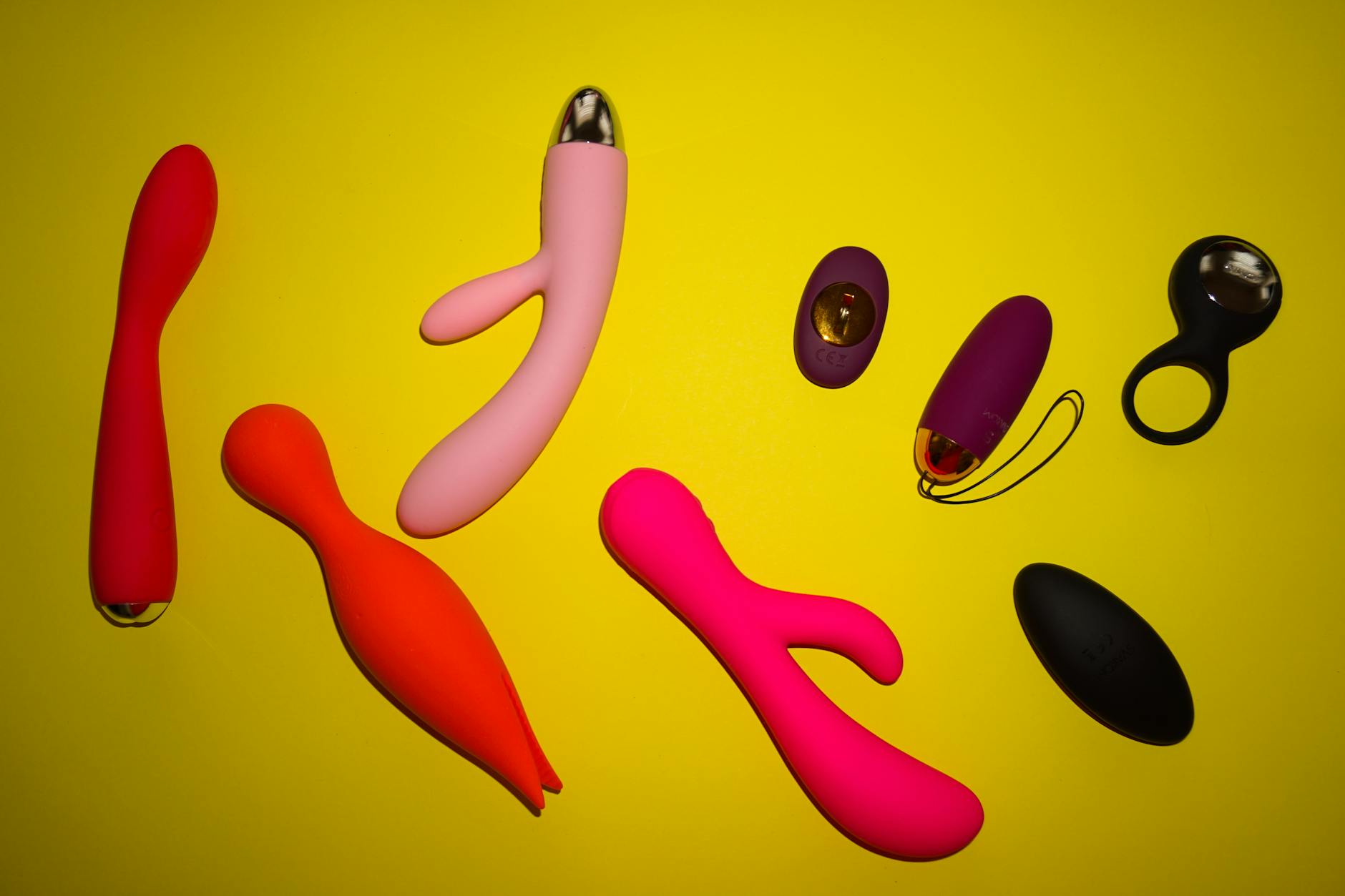
Let's start with why this is awkward
Introducing a vibrator to a partner who's never used one isn't actually about the toy. It's about what the toy represents. Does it mean they're not enough? That you're unhappy? That you're asking for permission to want something different? These are the questions running through their head before you've even opened your mouth. Understanding that makes the whole thing easier.
Here's the truth: couples who bring in clitoral vibrators like the Lem report higher satisfaction and more orgasms. Not because fingers and partners stop mattering, but because the stimulation works differently. It's not a replacement. It's an addition.
The setup conversation happens before the toy
Timing matters wildly here. Don't bring this up mid-argument, mid-stress, or right before bed when you're both exhausted. Pick a calm moment, ideally when you're both dressed and not in a sexual context. Think: sitting on the couch on a Sunday, in the car on a drive, or over coffee.
Start with curiosity, not criticism. "I've been thinking about trying something in bed, and I'd love your input" is miles better than "We need to talk about our sex life." One feels like collaboration. The other feels like a performance review.
What to actually say
Here's a framework that works:
"I've noticed my body responds really well to [specific type of stimulation]. I want to explore that more, and I'd love if you were part of it. I found this clitoral vibrator called the Lem that's designed to work alongside partnered sex. Would you be open to trying it together sometime soon?"
That's it. You've named the thing, explained why it interests you, made it clear they're invited, and asked for consent without pressure. Now listen to what they say.
The four responses you might get
Response 1: "Yeah, I'm curious." Easiest path. Move to the next section.
Response 2: "I need to think about it." Totally normal. Give them space. Don't follow up in three hours. Let it sit for a few days, then revisit casually: "Any thoughts on that thing I mentioned?"
Response 3: "I'm worried it means you're not satisfied with me." This is real and worth addressing directly. Say: "I am satisfied. And adding something doesn't take away from what we have. Your touch feels different than a vibrator, and I want both. They're not in competition." Then give specific examples: "When you touch me here, that feels amazing. And I also want to know what happens when the Lem does this." Make it additive, not subtractive.
Response 4: "Not interested." Okay. Don't push. Leave the door open without nagging: "That's fair. If you ever change your mind, I'm not going anywhere." Then actually respect that boundary. Pushing past "no" turns exploration into coercion, which destroys the thing you were trying to build.
If hesitation shows up, here's what's usually underneath
Most resistance isn't about the toy. It's about one of these three things.
Fear of inadequacy. Your partner might think the vibrator proves they're not doing enough. Address this head-on: "I want to be clear. Your hands, your mouth, your attention. Those feel incredible and I don't want to lose that. A vibrator works on different nerve endings in a totally different way. Think of it like adding surround sound to a concert you're already enjoying."
Loss of control or choreography. Some people feel unsettled when they're not the primary driver of pleasure. This is actually super solvable if you reframe it: "I want you involved in this. You could hold it. You could control the pattern. You could do this while touching me in other ways." Suddenly they're not watching from the sidelines. They're directing the scene.
Porn-based expectations. If someone's only reference for vibrators comes from porn, they might imagine something jarring or depersonalizing. Reality is way softer. Show them the actual product. Let them hold it. Let them see how quiet and sleek the Lem is. Let them test the patterns (on their arm, through their jeans, wherever they're comfortable). Demystification kills a lot of anxiety.
The first time using it together
Don't start with penetration or the headiest moment. Start during foreplay, when you're both already warm and connected.
One approach: You take the lead on the device. Your partner stays involved. "I want to try this while you touch me here." They're kissing you, using their hands, and you're adding the vibrator. You're in control of speed and pressure. They can see your face, feel your reactions, know exactly what's working.
Another approach: Your partner holds the Lem while you guide them. "A little lower. Yeah, right there. Try pattern three." This puts them back in the driver's seat and lets them learn what your body responds to in real time. It's collaborative.
What changes after the first time
Some couples discover they want the vibrator almost every time. Others find it's an occasional thing. Both are normal. The key is that you've opened a channel of communication about what you actually want, and you've practiced asking for it.
If your partner loved it, they might start bringing it up unprompted. If they tolerated it, they might surprise you later by being more curious. If they're still hesitant, revisit every few months without pressure. People's comfort levels shift.
The real win here isn't the vibrator. It's that you showed your partner what it looks like to ask for something, listen to their concerns, work through them together, and try something new as a team. That's the muscle you're building.
When to loop in a specialist
If your partner remains resistant and it's starting to feel like a relationship wedge, that's worth bringing to a couples counselor or sex therapist. Sometimes resistance points to something deeper. Communication patterns. Shame. Previous sexual experiences. A good therapist can help untangle those threads without judgment.
There's also how to use a lemon vibrator when desire timelines don't match your partner. If your partner wants sex less frequently or feels less receptive, that's a different conversation worth exploring separately.
The thing no one tells you
Introducing a new sexual tool often leads to conversations you've been avoiding. "What do you actually want?" "What would feel good?" "Are we connected right now?" Those questions are the real gift. The vibrator is just the door opener.
Most partners who were hesitant at first report that they actually enjoy the experience more once they understand it's not about replacing them. It's about expansion. It's about saying: "I want more time with you, more sensation, more exploration." That's not threatening. That's desire.
FAQ: Using lemon clitoral vibrators with a partner
What if my partner thinks a vibrator means I'm cheating emotionally?
That's coming from a scarcity mindset. Add this to your conversation: "Using a vibrator isn't about someone else. It's about us learning what my body enjoys. Your pleasure matters too. What would you want to explore?" Make it mutual. Ask what they've always been curious about. It stops feeling like you're asking for something and starts feeling like you're building something together.
Can we use a lemon vibrator during penetrative sex?
Completely. Your partner can be inside you while you (or they) use the Lem on your clitoris. It's actually where a lot of couples discover their best shared orgasms. Start slow. Communication matters because the sensations stack, and sometimes more stimulation is overwhelming in a good way, sometimes in a too-much way.
My partner wants to watch but doesn't want to participate. Is that okay?
Yes. Some people aren't ready to actively use a toy but are curious about the experience. Let them be a participant in the way they're comfortable. They can watch, offer feedback, learn what your body wants. That's still connection. Later, they might want to get more hands-on.
How do I bring it up if we haven't talked about sex much at all?
Start smaller. "I've been learning more about my own body and what feels good to me. I want to share that with you." That opens the door without demanding an immediate deep dive. You're not asking them to be a sex expert. You're inviting them into discovery.
What if they say yes but then acts uncomfortable during?
Stop and check in. "You okay?" might get a one-word answer. Better: "I'm noticing your energy shifted. Talk to me?" They might be overwhelmed, might need a break, might need reassurance. Honor whatever that is. You can always try again another time when you've figured out what the hesitation was.
Will using a vibrator together change our sex life negatively?
Not if you handle the introduction with communication and care. Couples who talk openly about pleasure actually report stronger sexual connection, not weaker. The vibrator is just the vehicle. The real thing is that you're saying: "I want us to keep exploring together."