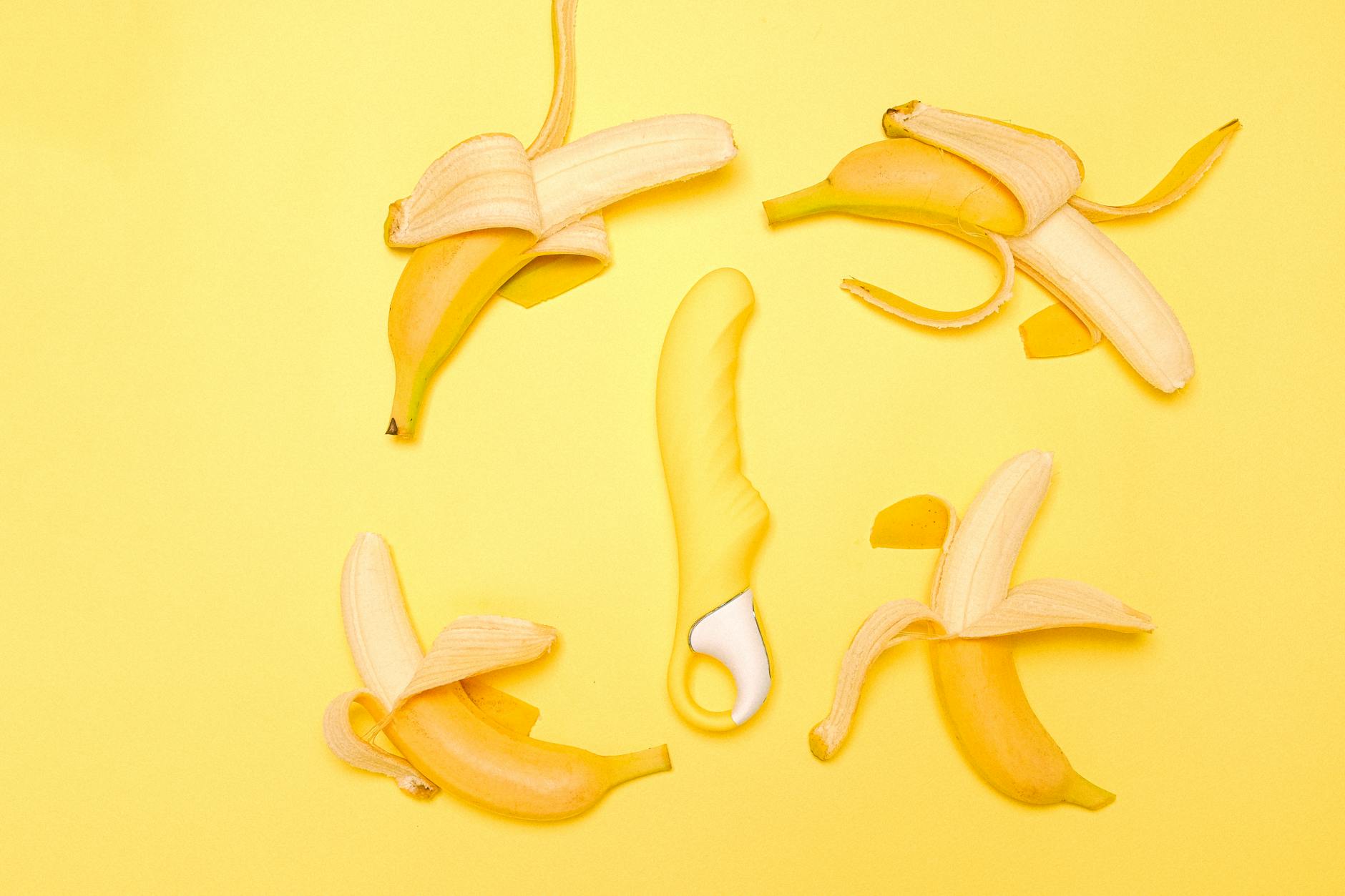
Here's the thing about sensitive areas and vibrators
Nervousness around vibrators on delicate skin is completely legitimate. You've probably heard horror stories, or maybe you've had a bad experience with something too intense. The good news is that sensitivity does not mean you're locked out of vibrators. It means you need the right approach, the right tool, and honest conversation with yourself about what intensity actually feels good.
A lemon clitoral vibrator is actually one of the better options for sensitive tissue because of how the suction mechanism works. Let me explain why, and walk you through exactly how to start.
Why vibrators can feel uncomfortable on sensitive skin
Sensitivity usually comes from one of three places. First, the tissue itself is naturally more reactive. Some people's vulvas are just wired to register sensation more intensely. That's not a flaw. It means you'll feel pleasure strongly too, but you need gentler entry points.
Second, you might be nervous. When you anticipate pain or discomfort, your pelvic floor tenses up. Tension makes everything feel sharper. This becomes a feedback loop: you tense, sensation feels worse, you tense more. Breaking that cycle is half the battle.
Third, previous experience matters. If a partner was too rough, or if you tried something at full intensity out of the box, that imprint stays with your nervous system. You're not being dramatic. Your body learned to protect itself.
The physical mechanics of a lemon sucker vibrator sidestep a lot of these issues. Unlike traditional vibrators that create friction through direct contact, suction stimulates the clitoris by creating gentle pressure and release cycles. This feels fundamentally different from buzzing against tissue. For sensitive people, it's often less overwhelming and more satisfying.
The difference between sensation and pain
Before we go further, let's separate two things that feel similar but aren't the same. Sensation is information. It can be intense, unexpected, even a little overwhelming, but it's not harmful. Pain is your body saying stop. It's sharp, it lingers, and it makes you want to pull away.
When you're starting with a lemon vibrator on sensitive areas, you're hunting for strong sensation without crossing into pain. That line is individual. What feels like perfect intensity to someone else might feel like too much to you. That's okay. The goal is to find your line and stay on it.
Start with the lowest setting, not the medium
This sounds obvious but people skip it constantly. The lemon vibrator has multiple intensity levels. Pretend the lowest one doesn't exist and start there anyway. Spend at least two sessions at this level, even if it feels underwhelming. Your nervous system needs to learn that this is safe.
Why two sessions? Arousal changes what you feel. Your first time, you're nervous. Your second time, you're less nervous, and you might discover that the lowest setting actually feels better than you thought. This is the moment people accidentally jump to level three, feel overwhelmed, and then avoid the device for months.
Don't skip the learning curve. It's not weakness. It's data.
Position, angle, and indirect contact
Direct pressure on the clitoris is not always what you want, especially when you're sensitive. The lemon sucker works partly because you control the angle. Instead of placing it directly over the clitoris, try indirect positioning. Hover it slightly to the side, or place it over the hood of tissue that covers the clitoris. You get stimulation without the full intensity of direct contact.
Experiment with angles. Try slightly lower, slightly higher. Tilt it. Pause it in place without any motion pattern. The sensation you're after is often a subtle pulse rather than a sustained vibration. With the right angle, you can get that.
Many people with sensitive tissue find that they prefer the lemon clitoral vibrator held in one position with one intensity level the entire time, rather than moving it around or changing patterns. Give yourself permission to do boring, repetitive things. Pleasure doesn't need to be complicated.
Lube and arousal state matter more than you think
You probably know this already, but I'm saying it anyway because it changes everything. Lube is not a sign of failure. It's permission. Use it generously, especially with sensitive tissue. Water-based works best with silicone toys. Apply it before you start, and reapply if things feel dry. Dryness creates friction, which triggers discomfort.
Arousal state is equally important. Don't reach for the lemon vibrator when you're neutral or skeptical. Spend 15 or 20 minutes warming up first. Read something that gets you going. Think about something that makes your body tingle. Your nervous system needs to be somewhat activated before you introduce vibration. This isn't about being in the mood. This is about giving your body basic conditions to feel pleasure rather than threat.
What to do if something doesn't feel right
If you feel pain, stop immediately. Not dramatically, just stop. Let your nervous system settle for a moment. Then ask yourself: is this a sensation I want to adjust, or is this actual pain? If it's actual pain, put the device down. Your body is telling you something, and that information is valuable.
If it's sensation you want to adjust, try these moves. Lower the intensity. Reposition. Use more lube. Take a break for 30 seconds and start again. Most discomfort with sensitive tissue comes from nervousness or dryness, both of which are fixable.
If pain happens repeatedly in the same position or at a certain intensity, your nervous system might need more time to trust the device. Take a week off. Come back without pressure. Sometimes patience is the only adjustment that works.
Building confidence with a partner
If you're exploring this with a partner, communication is your foundation. Tell them your concerns before you start. Tell them your boundaries. Tell them what intensity you're targeting. This removes the guessing game and makes it easier for both of you to stay present.
Many couples find it helpful to have the sensitive partner hold and control the device the first few times. You know your body. You know your limit. You can make micro-adjustments instantly. Your partner can participate by providing touch somewhere else. Your hand. Your neck. Your inner thigh. This keeps intimacy flowing without adding pressure to find the perfect technique with something new.
As you get more comfortable, you can hand over control. But starting with you in charge isn't a stepping stone. It's often the best way, regardless of sensitivity.
The nervous system reset
Here's something that doesn't get talked about enough. If you've had a bad experience with vibrators, your nervous system has a memory. That memory makes you tense when you even think about trying again. You can't logic your way out of this. You have to gently retrain your nervous system.
This is where going very, very slow becomes powerful. The slowest setting of a lemon vibrator, used for just two or three minutes, in a relaxed state, with lube, might be all you need to start rewiring that fear response. It won't feel like much. It's not supposed to feel like much. It's supposed to feel safe.
Repeat this once or twice a week. Your body will eventually associate the device with safety instead of threat. Then you can explore higher intensities. This process takes weeks, sometimes months. It's not a bug. It's how healing actually works.
When to revisit your approach
If you've been at the lowest intensity for four weeks and you're still experiencing discomfort, consider seeing a pelvic floor physical therapist. Chronic tension or pain during masturbation can point to deeper pelvic floor dysfunction that a vibrator alone won't fix. A professional can give you specific exercises and help you understand what's actually happening.
This isn't a failure of the lemon vibrator or your body. It's information. Take it seriously.
FAQ
Can you use a lemon vibrator on sensitive skin every day?
Yes, if it feels good. Some people with sensitive tissue find that regular use actually makes their nervous system less reactive over time. Others find that every other day works better. Pay attention to your own patterns. If you feel irritation or soreness, take a day or two off. Your body will tell you the right frequency.
Why does my lemon clitoral vibrator feel too strong even on the lowest setting?
A few possibilities. You might not be aroused enough when you start. Spend more time warming up. You might not be using enough lube. Add more. You might be holding it directly on the clitoris instead of indirect positioning. Try shifting the angle. Or your nervous system might need more time to trust the device. None of these mean the vibrator isn't for you.
Is it normal for sensation to change between sessions?
Completely normal. Your arousal level, stress, hydration, where you are in your cycle, your mental state. All of these shift sensation. Sometimes the lowest setting feels amazing. Sometimes it feels like nothing. This is not inconsistency on your part. This is just how bodies work.
Can you use a lemon vibrator if you've never used a vibrator before and have sensitive areas?
Absolutely. In fact, starting with a lemon sucker might be better than starting with something that buzzes directly against tissue. You're not behind. You're starting with a good tool. Take your time, follow the incremental approach outlined here, and you'll figure out what works for you.
Should you tell a partner you're sensitive before using a vibrator together?
Yes. Not as confession or apology. As information. "I want to try this, and I might need us to go slowly at first" is a complete sentence. A partner worth having will respect that completely.
What if your partner wants to use the vibrator on you but you're nervous?
Start solo. Get comfortable with the device on your own terms first. Once you trust it and know what intensity and positioning work, sharing that experience with a partner becomes collaborative instead of vulnerable. You already know what you're asking for. That changes the dynamic entirely.
You already know what you need
Sensitivity is not a barrier to vibrators. It's just information about how to use them. Start slow. Use lube. Breathe. Give your nervous system time. A lemon clitoral vibrator is designed to work well with sensitive tissue because suction is gentler than friction. You're not fighting against the tool. You're learning to use it in a way that actually feels good.
If you want to talk through this with someone, or if discomfort persists after trying these adjustments, reach out. We can work through it together.
Your pleasure matters, and you deserve an approach that actually fits your body.
Sources and further reading
If you'd like to dive deeper into pelvic floor health and sensitivity, these resources are worth exploring.
Best Lemon Clitoral Vibrator Settings for Sensitive Tissue covers more specific pattern and intensity recommendations once you're comfortable with the basics.
Why Lemon Vibrators Feel Different After 40 digs into how sensation shifts over time, which informs how you adjust your approach.
For hands-on guidance, How to Use a Lemon Vibrator for the First Time as a Couple walks through the communication framework if you're exploring this with a partner.
If you have questions we haven't covered here, contact us. We're here to help you figure out what actually works for your body.