The conversation you need to have first
Let's be real. Most couples don't bring up sex toys the way they bring up dinner plans. There's usually an awkward pause, a joke that lands wrong, or one person drops the idea and the other freezes. Then nothing happens for six months.
Here's what I tell couples in my office: the toy isn't the conversation. The conversation is the conversation.
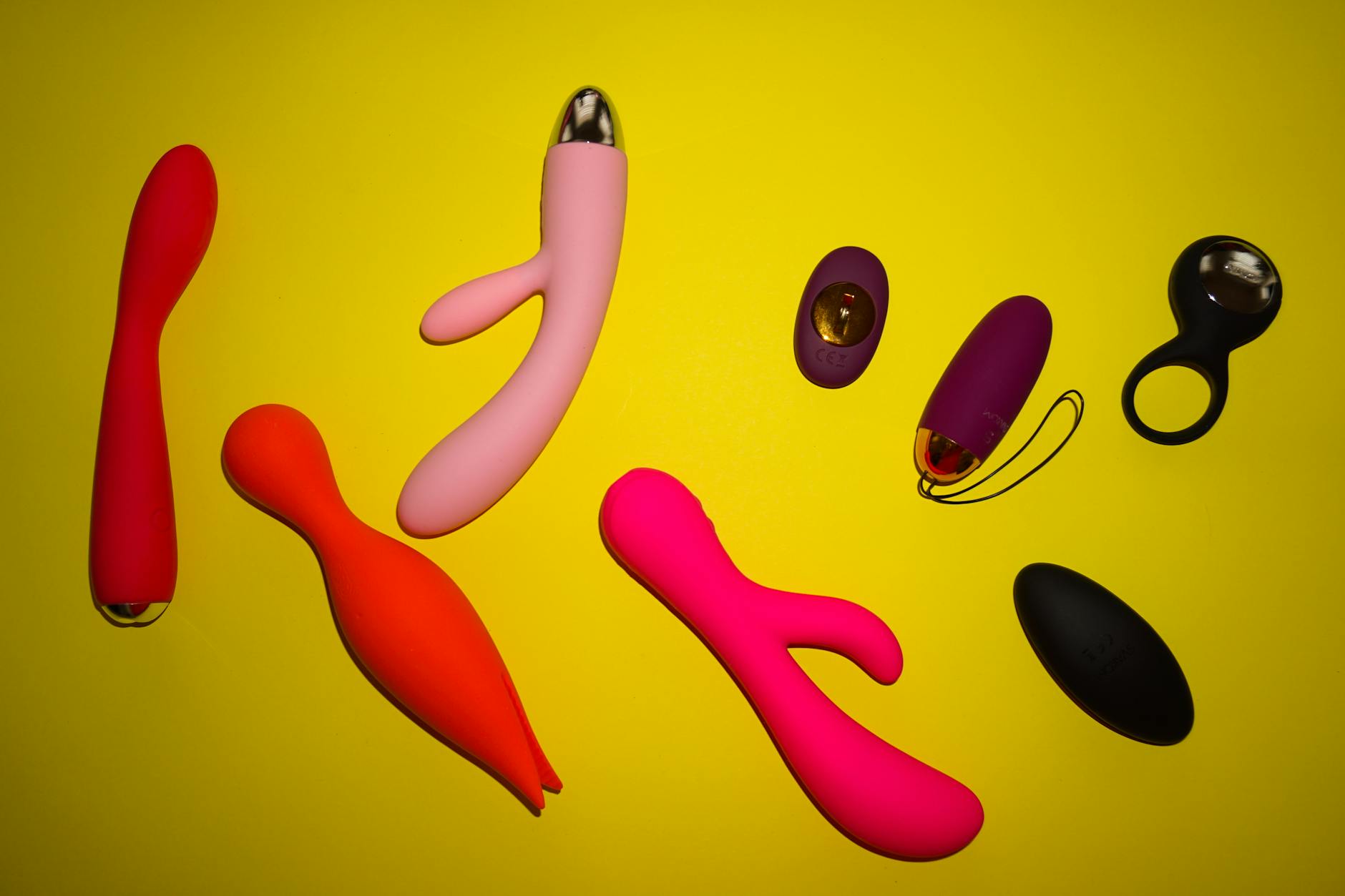
What that means is this. Before you're anywhere near a lemon vibrator, you need to actually talk about why one of you wants to try it. Not "I read that vibrators are good." I mean the real thing. "I want to explore more sensation." Or "I'm curious what happens if we try this together." Or "I've been thinking about my own pleasure more and I want to include you in that."
The person bringing up the idea goes first. You say it once, clearly, without apology. Then you actually listen to what your partner thinks and feels about it. Not to convince them. Not to debate. Just to hear them.
Why couples avoid it (and why they shouldn't)
Three fears usually show up.
"Will it make you feel replaced?" This is the big one, especially if the person with the penis is worried. Here's what's true: a lemon vibrator does something a human body can't do. It doesn't do what a human body does. They're different tools. A vibrator doesn't want you. Doesn't judge you. Doesn't need reciprocation. That's not replacement. That's addition.
"Will it ruin the dynamic we have?" Sometimes people worry that introducing a toy means the relationship isn't working. That's backward. A couple willing to experiment together usually has better communication, more trust, and way better sex than couples who don't. The toy isn't fixing anything broken. It's deepening something that's already there.
"What if one of us feels pressured?" This one deserves a straight answer. If someone wants to try a vibrator and their partner doesn't, that's a real difference. It doesn't mean you try it anyway to make them happy. It means you talk about why the hesitation is there. Sometimes it's just unfamiliarity. Sometimes it's something deeper. Either way, no one should ever use a toy because they feel obligated.
How to actually introduce it
Assuming you've talked and you're both in, here's what helps.
1. Choose the right moment. Not during sex the first time. Not when either of you is stressed or tired or slightly annoyed at each other. Pick a time when you're both relaxed, present, and actually interested. A weekend afternoon where you have time and nowhere else to be is wildly better than 11 p.m. on a Tuesday when you're half-asleep.
2. Keep it low-pressure. The first time, the goal isn't even necessarily to use it during sex. It's to get familiar with it. Show each other how it feels in your hand. Turn it on and off. Notice the vibration patterns. Maybe one partner uses it on their own while the other watches. This sounds unsexy when I write it out. It's actually the opposite. Removing the performance pressure makes everything feel better.
Photo by IFONNX Toys on Pexels
3. Start with foreplay, not penetration. If you're using a clitoral vibrator like a lemon vibrator during partnered sex, it usually works best during the warm-up phase. Someone uses it on the receiving partner's vulva while the other partner is doing other things. Kissing. Touching. Being present. This isn't a solo thing. It's a together thing.
4. Talk while it's happening. "Does this feel good?" "Want me to try a different setting?" "Should I press harder or lighter?" This might sound clinical. In reality it's hot. It shows you care about what actually feels good, not what you think should feel good.
Positions that actually work
Let's talk mechanics because positioning matters.
If the receiving partner is on their back, the partner with the vibrator has total control and visibility. Easy to adjust, easy to see what feels good. The other partner can use their hands and mouth for other things. This is the most comfortable setup for beginners.
If you're trying this during penetration, the receiving partner usually needs to be on top or in a position where they can reach themselves with the vibrator. (Or the penetrating partner reaches around, but that's less stable.) The person penetrating focuses on their own rhythm while the other person handles the vibrator. It sounds complicated. It's honestly simpler than it seems once you try it.
For people who want something hands-free, there are positioning ideas. Lying side by side. Partner enters from behind while the receiving partner uses the vibrator on themselves in front. Lots of options once you start thinking about it.
What happens if it doesn't feel amazing the first time
Here's what I see most often. Couples try a lemon vibrator. The sensation is good but not incredible. Everyone feels a little awkward. They put it away and never mention it again.
Then six months later they might try again, and suddenly it's different because they've relaxed.
Pleasure isn't linear. Some nights a vibrator feels incredible. Other nights it feels nice but not amazing. That's completely normal. The goal isn't transcendence every time. The goal is exploration and communication and actually enjoying each other's bodies.
If it genuinely doesn't feel good, that's worth investigating. Maybe the vibration pattern isn't your preference. Maybe you need more lube. Maybe it's a positioning thing. Or maybe right now, in this phase of your relationship, a vibrator just isn't for you. That's okay too.
The thing about intensity and desire
One concern I hear from partners with penises is "will she still want me if she has a vibrator?" This is rooted in the idea that desire is a finite resource. You have X amount of sexual interest and if the vibrator uses some of it, there's less for your partner.
That's not how desire works. Desire actually grows when pleasure is good. A person who has access to genuine pleasure tends to want more of it, which often includes partnered sex. A lemon vibrator doesn't compete with a partner. It actually makes partnered sex better because the person with the vulva is more engaged, more present, more satisfied.
This is the data point that shifts something for a lot of couples. Once they realize the vibrator isn't taking pleasure away from the relationship, it becomes part of a richer sexual life together.
After the first time
Have a conversation. Not a formal debrief. Just "how was that for you?" Ask what felt good. What felt weird. What they'd want to try differently. This information is gold. It tells you what to do next time.
And there usually is a next time. Not immediately. But once a couple has used a toy together without the world ending, the option is there. Some couples use vibrators regularly. Some use them occasionally. Some try it once and decide it's not their thing. All of that is fine.
The real win is that you've expanded your language together. You've proven that you can talk about sex, try something new, and stay connected through it. That changes the dynamic in ways that go way beyond toys.
Common hiccups and how to handle them
One partner gets uncomfortable or wants to stop. You stop. Full stop. No questions, no "but we just started." You check in later when you're not in the moment. "What came up for you?" Listen to the answer. Sometimes it's just nerves. Sometimes it's something that needs real attention.
The vibrator is too intense or uncomfortable. Try a different setting. Try less direct pressure. Try a different toy eventually. Not everything works for every body.
One person wanted to try it and the other agreed but is clearly not into it. This is the moment to pause the whole thing. "This isn't working for you. And that matters more than trying a toy." That's how you build trust.
Someone comes to the conversation worried that asking for a vibrator means their partner won't be enough anymore. This is where your words matter. "I want this with you. I want us to explore this together." The toy is collaborative, not a replacement.
FAQ
Is it normal to want a vibrator if you're in a relationship?
Completely. Wanting more pleasure, different sensation, or new experiences doesn't mean the relationship is broken. It usually means you're curious and you trust your partner enough to explore. That's healthy.
Do I need to use a vibrator every time we have sex now?
No. Some couples use toys occasionally. Some use them regularly. Some use them only during certain types of sex. You get to decide what works for your relationship. There's no rulebook.
What if my partner thinks a vibrator is emasculating?
That's a real feeling worth taking seriously. The conversation here is about what he actually believes a vibrator means. Is it about inadequacy? About control? About fear? Once you know what's really underneath, you can actually address it.
How do I know if I'm using the clitoral vibrator correctly?
If it feels good and your partner says it feels good, you're using it correctly. There's no wrong way as long as there's consent and communication.
Should we use lube with a lemon vibrator?
You can. Water-based lube works great with silicone toys and makes everything feel smoother. It's not required, but it often improves the sensation.
What if I want to use a vibrator but my partner isn't interested?
That's a real difference in your relationship. It doesn't mean you have to choose between your own pleasure and your partnership. It means you have an actual conversation about why they're hesitant. Sometimes curiosity follows. Sometimes it doesn't. Either way, you both deserve honesty.
If you're navigating questions about desire, communication, or integrating new things into your intimate life, talking to someone who specializes in couples work can help. There's real skill in learning how to ask for what you want and hearing your partner's needs at the same time. That's where the magic actually lives.