Here's what nobody tells you about medication and sensation
Your antidepressant, your blood pressure medication, or your anxiety drug didn't steal your pleasure. But it did change the pathway your body uses to feel it. That's different. And it's fixable.
I work with couples navigating this every week. The script usually goes like this: "I've been on this medication for three years and I barely feel anything anymore. My partner thinks I'm not attracted to them. I think I'm broken." Neither thing is true. Your nervous system is just working with different chemistry.
How medication actually numbs sensation
Most medications that affect pleasure do it through one of three mechanisms:
SSRIs and serotonin reuptake inhibitors delay the signals your brain sends during arousal. That lag means it takes longer to build sensation, and the peak feels muted. It's not that nerves aren't firing. It's that the message takes a scenic route.
Blood pressure and heart medications can reduce blood flow to the genitals, which changes how quickly tissue swells and how intensely it responds to touch. Less engorgement means less sensation. Straightforward mechanics, not permanent damage.
Antihistamines and certain pain medications dull nerve sensitivity across your whole body. Your clitoris isn't special to these drugs. It just matters more to you than your shoulder.
The good news: none of these changes are permanent. They're dose-dependent and, in many cases, reversible with the right approach.
Why standard vibrators often don't cut it
When sensation is already dampened, a traditional vibrator can feel like a buzzing numbness against numbness. You're chasing feeling that isn't there yet, which is demoralizing.
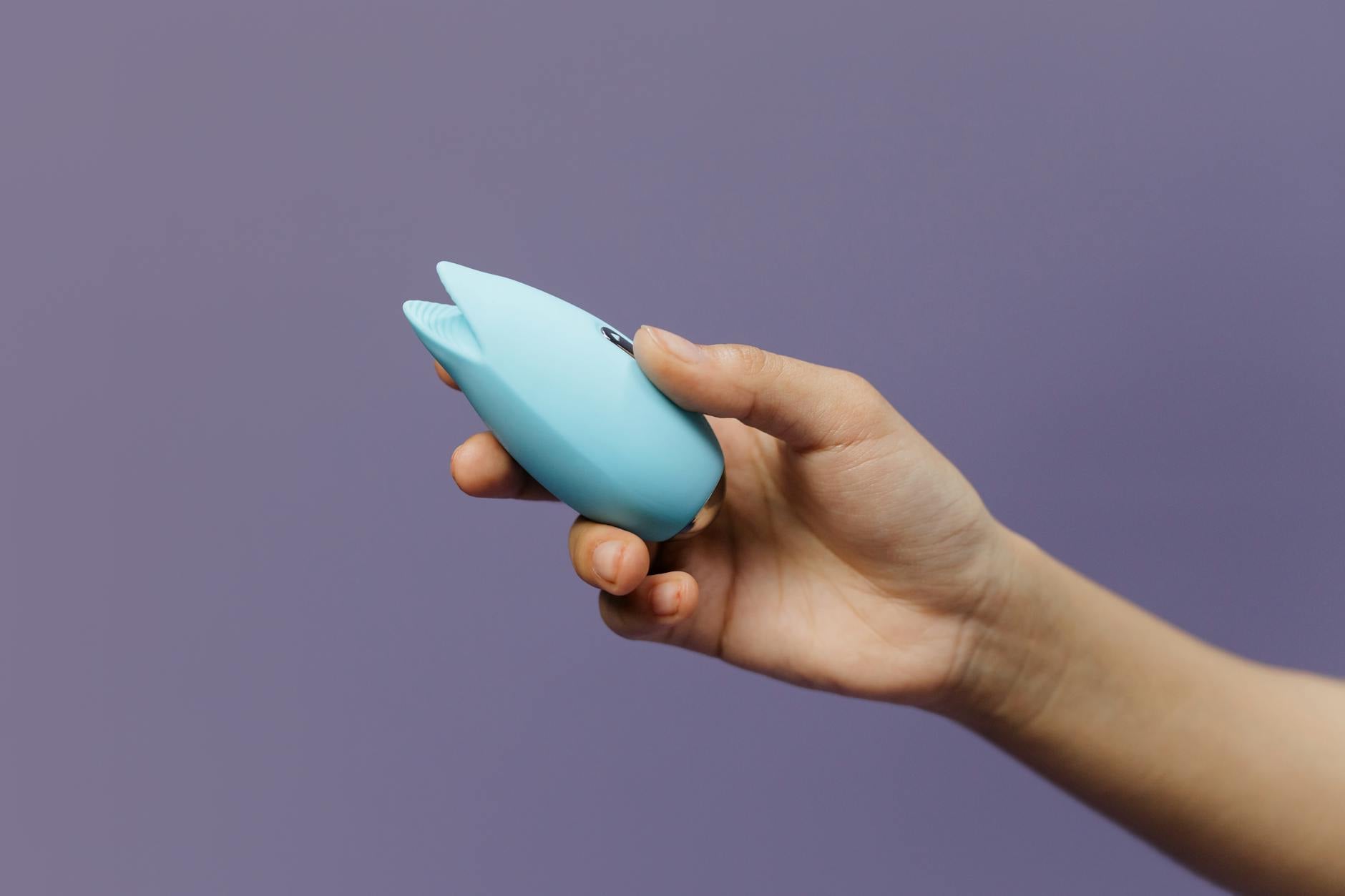
That's where the design of a lemon clitoral vibrator makes a real difference. The suction-based pattern of lemon vibrators works differently than buzzing. Instead of creating surface vibration that gets swallowed by reduced sensitivity, suction stimulates deeper nerve bundles in ways that don't require the same baseline sensation to register.
Think of it this way: if standard vibration is knocking on a door that doesn't open easily, suction is finding a window that's already cracked open. The Lem vibrator, for instance, uses gentle pulsing suction that can feel sensational even when your overall body sensitivity is compromised by medication.
The three-phase rebuild approach
Phase one: Sensation mapping (weeks 1-2).
Before you even use your lemon vibrator, spend a few sessions with it off, exploring your body with touch alone. Warm hands, no pressure. The goal isn't orgasm. It's permission. When medication kills sensation, your brain learns not to expect feeling. You need to interrupt that pattern first.
Use settings 1-2 on your Lem for five to ten minutes. Don't chase intensity. Notice: where does it feel slightly different? Is there a spot where the suction feels novel, even if not overwhelming? That's your window.
Phase two: Graduated intensity (weeks 3-6).
Once you've mapped where sensation exists, start spending three to four sessions per week on your lemon vibrator. Alternate between pattern 1, pattern 2, and pattern 3. Spend five minutes at each level, then stop. Do not aim for orgasm. Your job is to teach your nervous system that sensation is returning and safe.
This feels counterintuitive when you're desperate to feel something again. But rushing the process by cranking intensity actually delays recovery. Your brain has learned not to expect pleasure. You're retraining it. That takes time.
Phase three: Integration (weeks 7-12).
By week seven, you should feel recognizable shifts in how the Lem registers. The suction might feel sharper, or the pulsing pattern might register in ways it didn't before. This is your signal to extend sessions. Spend ten to fifteen minutes on your preferred pattern. Let orgasm happen if it arrives naturally. If it doesn't, keep the same routine. Consistency rebuilds sensation faster than chasing climax.
What helps and what doesn't during recovery
Four things that genuinely support medication-related sensation recovery:
Warm lube, applied generously. Water-based lubrication isn't just comfort. It conducts sensation more effectively than dry tissue. Warm it between your hands first. Temperature and texture both matter.
Timing after meals, not before. Digestion pulls blood toward your stomach. You want blood flowing toward your genitals. Use your lemon vibrator forty-five minutes to an hour after eating.
Caffeine or light exercise beforehand. Increased heart rate and alertness sharpen neural signaling. A short walk or a coffee twenty minutes before a session does more than you'd expect.
Stress clearance, not performance pressure. If you're using the Lem to prove something to a partner, your nervous system knows. You'll feel less, not more. Go solo while rebuilding. Reclaim this as yours.
What doesn't help: forcing longer sessions, increasing intensity before you're ready, using vibration as a sprint to orgasm, or comparing your timeline to anyone else's. Every medication affects every person differently. Your rebuild is yours.
The medication conversation with your doctor
If you've been on the same medication for years and sensation is flatlined, mention it to your prescriber. You have three options, all worth discussing.
Timing adjustment. Some doctors will shift your dose to a different time of day, which can change when numbness peaks and valleys. Not always possible, but worth asking.
Dose reduction. If you've been stable for a while, a modest reduction might preserve your mental health while restoring some sensation. This requires careful monitoring. Not a DIY experiment.
Medication switch. Some SSRIs and antidepressants affect sensation less than others. Sertraline tends to numb more than citalopram, for example. A different medication in the same class might work as well for your mental health and feel better in your body. Again, ask. Your doctor isn't here to shame you. They're here to find solutions.
When sensation returns, what's next
Most people rebuilding sensation after medication want to know if they'll need their lemon vibrator forever. The answer is: not necessarily, but you might want to keep using it anyway.
Once you've recovered sensation, your clitoris now has new neural pathways lit up from regular stimulation. That's actually a good thing. The Lem won't feel as essential for climax, but many people find they prefer the sensation to standard vibration. Pleasure has options now, which is what you were rebuilding toward in the first place.
If you do take a break, expect a gentle dip when you return. A few sessions on settings 1-2 will bring you back to where you were. Your body remembers.
The emotional part (which is half the battle)
Medication-related numbness often arrives wrapped in shame. You feel broken. Your partner feels rejected. You both assume the medication is the only culprit, when sometimes it's also grief over lost sensation, resentment about side effects, or just the weight of feeling like your body isn't yours anymore.
The physical rebuild matters. But so does talking about what the numbness took from you, and what reclaiming sensation means for your relationship with yourself and, if you have one, with your partner.
Sensation loss from medication is medical. But pleasure recovery is personal. A lemon vibrator is a tool. Patience and honesty are the real architecture.
People also ask
Q: How long does it actually take to rebuild sensation after medication numbs it?
A: Most people notice shifts in four to six weeks of consistent use, with significant improvement by week twelve. Full recovery can take three to six months. It varies based on the medication, how long you've been on it, your overall health, and how consistently you practice. This isn't a sprint. Treat it like physical therapy for your nervous system.
Q: Can I use a lemon vibrator while I'm still on the medication that caused numbness?
A: Yes. You don't need to change anything with your medication to start rebuilding sensation. In fact, most people work with their current medication while using tools like the Lem. The vibrator is retraining your nervous system to register stimulation despite the medication's effects. If you want to discuss medication changes with your doctor, that's separate from starting the rebuild process.
Q: Will a lemon clitoral vibrator feel intense if my medication already makes everything numb?
A: That's the actual advantage of suction-based lemon vibrators over traditional vibrators. Suction stimulates deeper nerve structures that don't rely on surface sensitivity. Even with severe numbness, people often report the Lem feeling noticeable in ways standard vibrators don't. Start on pattern 1 and give yourself two weeks before deciding whether it's working. Your brain is relearning sensation.
Q: Is sensation loss from medication permanent even after I rebuild it?
A: Not if you keep using tools and practices that keep your nervous system engaged. The pathways you build with your lemon vibrator don't vanish if you take a break, but they do dull without use. It's like maintaining fitness. You don't lose all progress after one week off, but consistency keeps sensation sharp. If you stop medication, sensation often improves further, but some people find they prefer having tools available either way.
Q: Can I rebuild sensation faster by using my vibrator more often?
A: No. Daily or multiple-daily sessions can actually slow recovery because they can numb the tissue acutely. The rebuild happens in the rest days, when your nervous system integrates what it learned. Three to four sessions per week on a consistent schedule outperforms daily use. Your body needs time to process sensation and rebuild those neural pathways.
Q: Should I tell my partner I'm using a lemon vibrator for medication side effects?
A: That's your choice, but here's what I've seen work: rebuilding sensation is easier without an audience or pressure. Use it solo for the first month or two. Once you've felt improvement and understand your own needs better, you can have a much more grounded conversation with your partner about what's shifted and what you want next. Using a Lemon Vibrator With Your Partner After Solo Play has more on that transition if you decide to include them.
The rebuild is real
Medication numbs sensation. That's a side effect. But numbness is not permanent, and pleasure is absolutely recoverable. A lemon vibrator gives your nervous system a clear signal that sensation is possible, and consistency teaches your body to believe it again. You're not broken. You're rebuilding. There's a difference, and it matters.