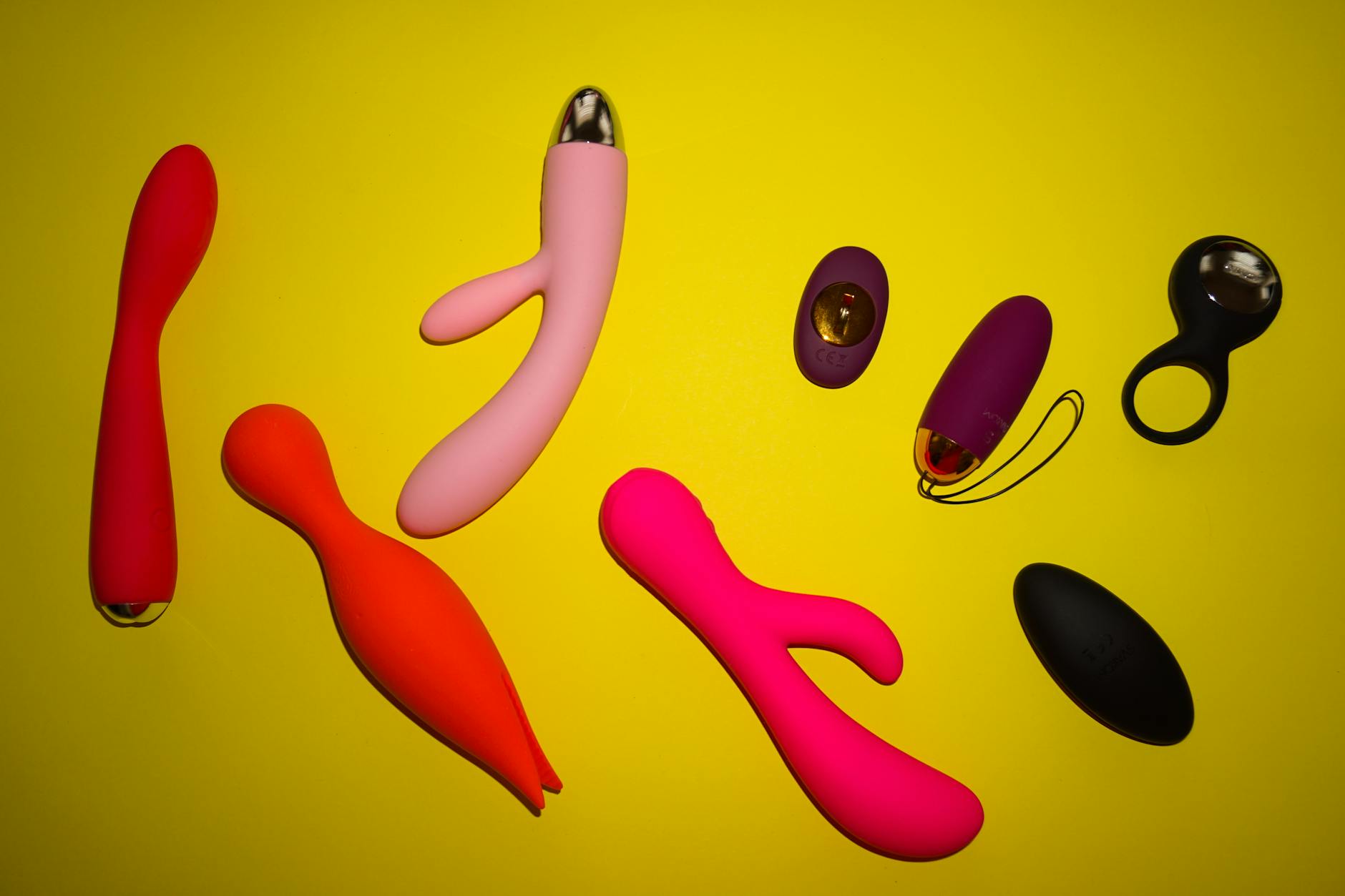
The transition nobody talks about
You've spent months, maybe years, learning exactly what makes your body sing. You know the pattern on your lemon vibrator that gets you there fastest. You know the angle, the speed, the moment to hold still versus keep moving. You know yourself.
Then your relationship deepens, or a new partner enters the picture, and suddenly you're facing a choice: do you keep this knowledge private, or do you share it? Do you bring the vibrator into shared sex, or leave it in the drawer?
Most people freeze at this exact crossroads.
Why solo mastery doesn't automatically translate to partnered play
There's a real physiological reason this feels complicated. When you're alone with your lemon clitoral vibrator, you control everything. The rhythm, the pressure, the moments of buildup and release. Your nervous system gets predictability. Your brain learns a specific pathway to orgasm.
Partner sex introduces variables your solo nervous system hasn't trained for: someone else's touch, timing, and arousal rhythm. Someone watching. Someone else's pleasure competing for your attention. This isn't a weakness. It's just different. And different requires retraining, not shame.
Here's what helps: a lemon vibrator in partnered sex isn't a replacement for your partner's touch. It's an amplifier. It lets your partner participate in your pleasure while you get the specific sensation you need.
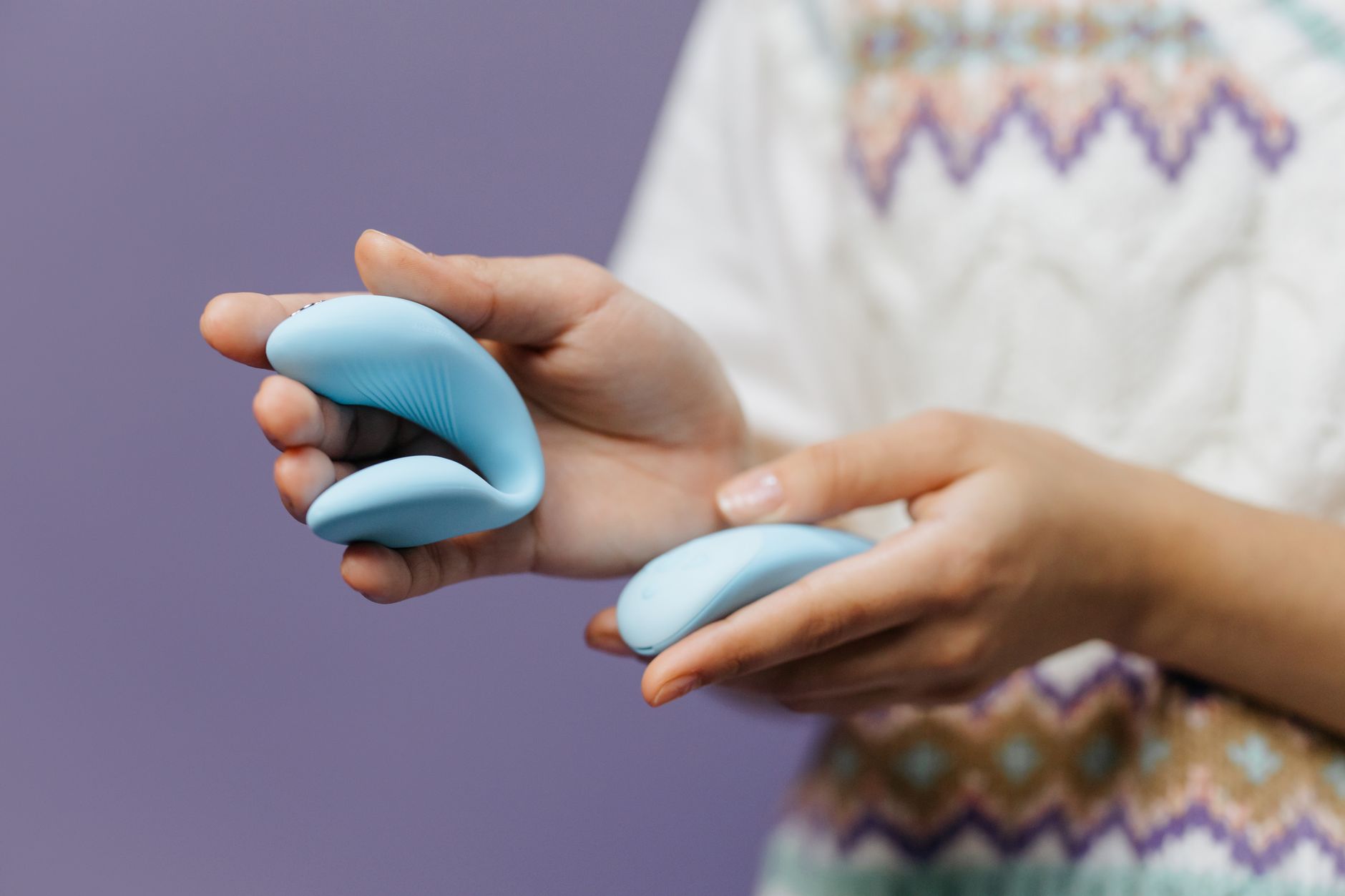
Photo by cottonbro studio on Pexels
Starting the conversation before you start anything else
This is the bit where most couples derail. We skip the conversation and jump straight to logistics, which usually feels clunky and unsexy.
Here's what actually works: frame it as offering information, not asking permission. "I've found something that really helps my body get there. I'd like to try it with you sometime, if you're curious" works infinitely better than "Do you mind if I use this?"
Then answer the questions your partner probably won't say out loud but definitely feels: Am I not enough? Does this mean you've lost interest in me? Will you come faster and we'll be done sooner? None of these questions are stupid. They're just neurological anxiety. Acknowledge them directly.
"My body responds to this sensation in a way that takes some pressure off me during partnered sex. It actually makes sex last longer because I'm not anxious about orgasming. You're still involved. I just get a little help." That's honest and it lands.
The setup that actually feels good for both of you
Practical logistics matter here because discomfort kills the moment faster than almost anything. A few things to set up first:
Talk about positions. Your solo routine probably involved you lying on your back or in whatever position worked for you. Partnered sex may require repositioning. Some positions work better with a lemon vibrator integration. Woman-on-top, for instance, gives you control of angle and pressure while your partner stays involved. Positions where you're side-by-side let your partner hold the vibrator while touching you elsewhere.
Lubrication is not optional, even if you didn't use it solo. Partner sex involves more friction, different angles, and longer duration. Whatever you used alone, add a good water-based lube to this equation. It reduces pressure on both your bodies and makes the vibrator glide better.
Battery life matters more now. If your lem vibrator usually gives you 90 minutes solo, test it beforehand with partner play. Nothing kills rhythm like a vibrator dying mid-moment.
How to actually integrate the vibrator into penetrative or partner-focused sex
Let's be specific because "just try it together" is useless advice.
If you're having penetrative sex with a partner: the lemon clitoral vibrator goes on your clitoris while your partner enters you vaginally. Your partner doesn't compete with the vibrator for space. They work alongside it. This is genuinely different from solo play because you're managing three sensations at once: penetration, the vibrator, and your partner's hands or body on you.
The adjustment period here is real. Your first time might not result in orgasm, and that's completely normal. Your nervous system is processing new input. Go into the first few times with zero expectation of climax. The goal is just comfort and connection.
If you're having non-penetrative partnered sex: your partner can hold the vibrator or apply it while using their hands elsewhere. They might use the vibrator on you while entering you orally. This actually works better for many couples because your partner gets to participate in the sensation without competing for physical access.
Reading your partner's pleasure through their tension
Partnership isn't just about you orgasming. It's about both people feeling included in the pleasure. This is where communication during sex becomes essential, not optional.
Check in. "Does this feel good to you, or would you rather..." These micro-conversations don't kill the mood. They deepen it. Your partner needs to know that your pleasure isn't separate from theirs, that you're not retreating into solo sensation while they watch.
Let your partner drive sometimes. If you've always controlled your vibrator solo, try letting your partner hold it. Tell them your preferred pattern and let them experiment. This is vulnerable. It's also the fastest way to transform this from "your vibrator" into "our vibrator."
Watch for signs of disconnection. If your partner goes quiet or pulls away, that usually means they're feeling excluded, not that they dislike the vibrator. Name it: "I notice you got quieter. Want to try something different?"
When the vibrator is helping but the connection feels flat
Sometimes you'll get the technical part right. The vibrator is integrated, orgasm happens, and yet something feels off. Like the pleasure happened but the intimacy didn't.
This happens because orgasm ≠ connection. You can come and still feel alone. The vibrator didn't cause that. It just made the disconnect visible.
When this happens, step back from the vibrator for a few encounters and rebuild baseline touch. Hand jobs, oral sex, penetration, skin contact. Let your nervous systems synchronize without the extra stimulus. Then reintroduce the vibrator when you both actually miss it.
Sometimes the lemon vibrator is a tool for specific moments, not every encounter. That's healthy and normal.
Troubleshooting common friction points
If your partner seems resentful: this usually isn't about the vibrator. It's often about feeling like sex is being optimized rather than shared. Slow down. Spend time on them. Make orgasm their secondary concern for a few weeks.
If you're not coming with the vibrator when your partner is present but you do alone: your nervous system might need privacy to climax. That's legitimate. You can use the vibrator during partnered foreplay to warm up, then potentially move to solo climax if that's what your body needs. Or you might need longer warm-up time with a partner present. Experiment.
If your partner wants to use the vibrator on themselves during partnered sex: this is actually beautiful. Let them. You don't have to be the only one with a lemon clitoral vibrator or sensation-focused toy. Mutual vibrator use can be incredibly hot and feels like genuine collaboration.
The mindset shift that makes it actually work
Most resistance to partnered vibrator use isn't logistical. It's psychological. We carry old stories: good sex shouldn't need tools, toys are for people without partners, real intimacy is effortless.
None of that is true.
A lemon vibrator with a partner is just information. It's data about what your body likes. Sharing that data with someone you're intimate with is trust, not a compromise. It's saying, "Here's how I work. I want you to know me fully."
The couples who integrate toys best aren't the most adventurous. They're the ones who separate tool use from intimacy, who treat the vibrator as neutral technology rather than a stand-in for something missing.
Your solo pleasure practice taught you something valuable. Now you get to teach your partner. That's not diminishment. That's generosity.
Frequently asked questions
Can I keep using my lemon vibrator the same way when I'm with a partner?
Sometimes. Your solo techniques will likely evolve in partnered contexts because your body's arousal pattern changes. But you don't have to abandon what works. You can maintain your solo practice and also develop a partnered version. Both can coexist.
What if my partner feels inadequate when I use a vibrator with them?
This is the most common concern and it's worth taking seriously. Have an explicit conversation: "This isn't about you being inadequate. It's about my nervous system needing specific input. You're essential to this experience. The vibrator is just a tool that helps my body respond." Then show them what that looks like in practice. When they see you connecting with them while using the vibrator, the disconnect usually evaporates.
Is it normal to prefer the vibrator sensation to my partner's touch?
Yes. A lemon clitoral vibrator provides consistent, intense stimulation that human hands often can't replicate. That's not a referendum on your partner. It's physics. Your partner can learn to use the vibrator the way you like it, which is actually a beautiful collaboration. They're not competing with it. They're wielding it for you.
How long does it take to feel normal having a vibrator in partnered sex?
Three to five encounters for most couples, though it varies widely. Your nervous system needs time to learn that pleasure with a vibrator plus a partner is just a different category of sensation, not a failure of connection. Give it time.
Should we use the same vibrator I use solo or get a new one?
Either works, but a new one can feel fresher and signals "this is our thing" rather than "you're joining my thing." Practically though, if you have a lemon vibrator you love, there's no reason to buy another. Your partner using your favorite vibrator on you is actually intimate.
What if we try it and it doesn't feel good?
Stop. Reassess. Try again later. Your body's arousal response might need multiple attempts to synchronize with partner presence and vibration at once. Or partnered vibrator play might genuinely not work for you two, and that's fine. Solo vibrator use is still available. Partnered sex without toys is still available. The vibrator is one option, not an obligation.
The bottom line
You spent time alone learning your body's language. That language doesn't disappear when your partner enters the room. It just gets translated. A lemon vibrator, a lem clitoral vibrator, or any intimate toy becomes a tool for deepening that translation, not a replacement for your partner's presence.
The couples who thrive with shared vibrator use treat it like any other skill you learn together. There's a learning curve. There's awkwardness sometimes. There's adjustment and communication and patience. And then there's genuine pleasure, deepened intimacy, and the knowledge that your partner truly sees and accepts all of you.
That's worth the brief discomfort of a conversation.