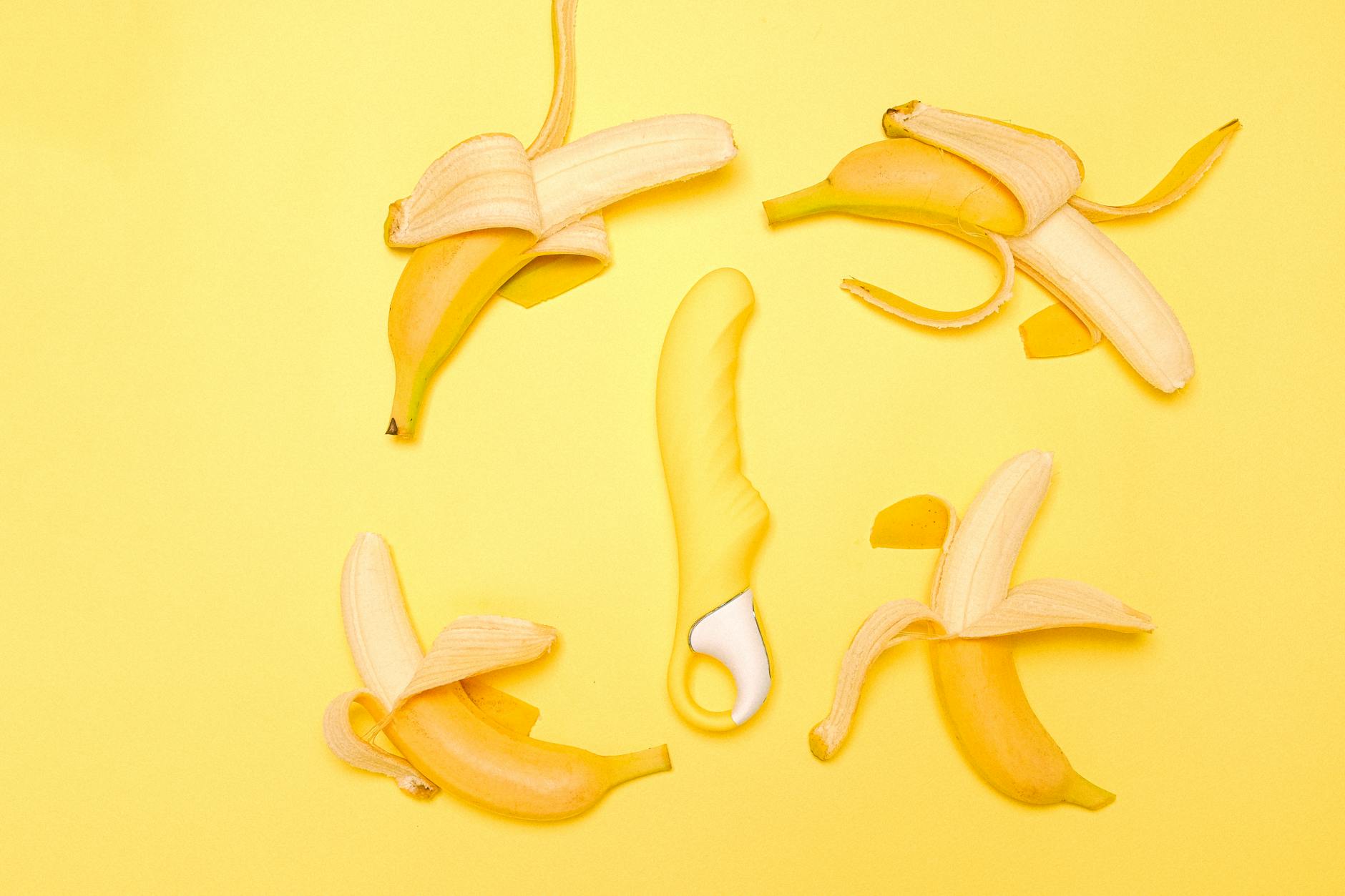
Here's what nobody tells you about perimenopause
Most conversations about hormones and pleasure jump straight to menopause. But perimenopause is where the actual chaos lives. Your cycles are still happening, your period might show up, and your body is simultaneously flooding itself with hormonal swings that make your 20s look stable. If your lemon vibrator suddenly feels different, you're not imagining it. This is the decade where sensation, arousal, and orgasm can shift more dramatically than they do during full menopause itself.
Let me walk you through what's actually happening, because understanding the physiology makes fixing it possible.
What perimenopause does to your body (that full menopause doesn't)
In full menopause, hormones have dropped and stayed low. Your body adapts. Perimenopause is the opposite. You're in a state of constant flux. Estrogen surges and crashes. Progesterone does the same. One week your arousal is electric. The next week, you're touching yourself and feeling almost nothing. Your clitoral tissue is thickening and thinning in cycles. Blood flow to the vulva is inconsistent.
This instability is why a lemon vibrator or any clitoral vibrator can feel wildly different week to week. You use the Lem at pattern 3, and it's perfect. Two weeks later, same setting feels too intense or too gentle.
The second thing nobody explains: perimenopause typically lasts 10 years. You're not on the downslope to menopause. You're at the top of a very long roller coaster.
Why suction feels different right now
A lemon sucker or air-suction vibrator like the Lem works by creating gentle pulses of pressure around the clitoris. The sensation depends entirely on tissue thickness, blood flow, and nerve sensitivity. All three of those are fluctuating during perimenopause.
When estrogen is high, your clitoral tissue is fuller. Blood flow is richer. The Lem feels more responsive, the stimulation more diffuse. You feel it everywhere. When estrogen dips, tissue thins slightly, and blood flow drops. The same vibrator on the same setting now feels sharper, more concentrated, sometimes almost numb.
Some of my clients describe this as the Lem feeling "less generous" at certain points in their cycle. That's exactly right. The device isn't changing. Your tissue is.
The lubrication piece (which changes midcycle)
During perimenopause, natural lubrication becomes unpredictable. You might have plenty one week, almost nothing the next. This matters because it changes how the suction seal works. A water-based lube creates consistency. Without it, you're playing a guessing game every session.
I recommend always having water-based lube on hand, even if you normally generate plenty of your own. Apply it before you start, not as an afterthought. This stabilizes the sensation and lets you focus on pleasure instead of troubleshooting.
Do not use silicone-based lube with the Lem. Silicone damages silicone toys. Water-based is the answer here.
Arousal itself takes longer (sometimes much longer)
Progesterone swings during perimenopause tank your baseline arousal. The neurochemical pathways that create desire are slower to fire. You might need 20 or 30 minutes of foreplay or solo exploration before you're ready for the Lem, where previously you needed 5.
This is not a problem with your desire. Your brain's pleasure system is being soaked in different hormonal concentrations than it was at 35. The arousal response hasn't broken. It's just operating on a different timeline.
The worst thing you can do is rush it. The best thing is to budget the time, use warm-up time to explore other sensations, and let your body build to the lemon clitoral vibrator when it's actually ready. Many clients find that extending foreplay transforms the experience entirely.
Orgasm quality shifts (sometimes beautifully)
Some people report that their orgasms during perimenopause feel shallower or less intense. Others say they're different but equally satisfying. A few describe the best orgasms they've ever had. The variation has to do with pelvic floor tension, blood flow distribution, and neurochemistry.
If your orgasms have changed, start by asking whether they're actually less pleasurable or just unfamiliar. I've had many clients think their pleasure has disappeared when really they've just stopped recognizing it because it looks different now. An orgasm that's more mental and less physical is still an orgasm. One that peaks lower but sustains longer is still worth having.
If orgasms are genuinely harder to reach, the issue is usually one of these: insufficient arousal time, stress and cortisol suppressing pleasure (perimenopause is often accompanied by major life stress), dehydration affecting tissue health, or a pelvic floor that's gripping too tightly. Addressing the root cause is far more effective than just cranking up the lemon vibrator intensity.
The intensity trap
When sensation feels muted, the instinct is to turn up the dial. Pattern 5 on the Lem is stronger than pattern 2. So if pattern 3 stops working, you jump to 4 or 5. This often backfires. Higher intensity can numb you further, especially if your tissue is already thinned by low estrogen.
The better move is to stay at the same intensity and change everything else. Add more foreplay. Use more lube. Shift position. Explore a different area of the clitoris. Change the pattern rhythm rather than the power. Most of the time, this gets you back to pleasure without needing more vibration.
When to loop in a provider
If sensation has completely disappeared for weeks at a time, or if you're in pain during use, schedule a checkup with a gynecologist who specializes in perimenopause. This isn't common, but it happens. You might need topical estrogen cream applied directly to the vulva, which has minimal systemic absorption and can restore tissue thickness fast.
If you're on antidepressants or other medications that affect sexual response, a conversation with your prescriber about timing or alternatives is worth having. Some meds can be taken at different times of day to reduce their impact on arousal.
Also worth knowing: perimenopause is a time when pelvic floor tension often increases. If you're gripping during arousal and preventing blood flow, a pelvic floor physical therapist can teach you to release. This one change alone transforms sensation for many people. You might have already read about pelvic floor physical therapy and lemon vibrators, and that resource applies here too.
The emotional layer (which is huge)
Midlife often brings life transitions. Children leaving, career shifts, aging parents, relationship renegotiation. Cortisol and stress hormones suppress pleasure neurotransmitters. Your body is not broken. Your nervous system is just running in a different mode. When you're holding stress, arousal flatlines.
This is worth separating from the physical piece. "My vibrator feels different" might be perimenopause. It might also be that you're grieving something, managing anxiety, or emotionally disconnected from your body right now. Both are real. They often overlap. Addressing one without the other leaves you half solved.
If you're partnered, this is also a time when communication becomes essential. Your body's response to pleasure is changing. Your partner's assumptions about what you want might be outdated. A conversation that begins with "my arousal timeline is different now, and here's what helps" prevents years of misalignment.
What actually works during perimenopause
Four things I recommend consistently:
One: use water-based lube every time, even if you don't think you need it. Two: budget 20 to 30 minutes, minimum, for arousal building before introducing the lemon vibrator. Three: stay at the same or lower intensity levels, and solve the problem by changing angle, pattern, or foreplay duration instead. Four: track when pleasure feels best relative to your cycle. You'll likely see a pattern. Using that pattern strategically means you're working with your body instead of fighting it.
The Lem doesn't stop working during perimenopause. It works differently because you're working differently. That's not a downgrade. It's information. You deserve pleasure that fits where you actually are right now, not where you were five years ago.
People also ask
Does perimenopause affect all types of vibrators the same way?
No. Suction vibrators like the Lem depend on blood flow and tissue thickness, so hormonal shifts affect them more noticeably. Wand vibrators typically feel more consistent because they deliver broader, more dispersed stimulation. Internal vibrators are affected by pelvic floor tone and arousal more than by hormonal shifts in tissue. If your lemon clitoral vibrator feels different but you want consistency, you might temporarily switch to a wand during the tougher weeks, then return to the Lem when sensation stabilizes.
Can I use the same lemon vibrator settings throughout my perimenopause cycle?
Unlikely. Most people need to adjust intensity or duration based on where they are in their cycle. Some settle into a pattern after a few months of tracking. Others need to stay flexible. Neither is wrong. If you're the type who likes consistency, a wand vibrator or the Avocado might feel less variable. The Lem is extraordinarily responsive to your body's state, which is a feature if you're willing to pay attention.
Is perimenopause numbness permanent?
No. Numbness during perimenopause is typically caused by either insufficient arousal time, dehydration affecting tissue quality, stress suppressing pleasure neurotransmitters, or pelvic floor tension blocking blood flow. Address the root cause, and sensation returns. It's not permanent tissue damage. It's your body telling you it needs something different right now.
Should I try hormonal treatments during perimenopause to keep pleasure consistent?
That's a conversation for your doctor. Some people benefit from low-dose hormonal contraceptives that smooth out estrogen and progesterone swings. Others prefer to ride it out without medication. Neither is objectively better. If your pleasure is severely disrupted, it's worth asking your gynecologist about options. If it's manageable with adjustments to timing and technique, medication isn't necessary.
How does perimenopause arousal differ from full menopause arousal?
During perimenopause, hormones are still cycling, so arousal is unpredictable but sometimes high. During full menopause, hormones have bottomed out, so arousal is consistently lower but also more stable. You know what to expect. During perimenopause, you don't. This is why a lemon vibrator can feel amazing one week and flat the next. In full menopause, it typically feels more consistently muted, but you adapt to that baseline.
Can I rebuild sensitivity if perimenopause numbness has lasted months?
Yes, but it requires addressing the root cause. If numbness is from stress, meditation or therapy helps. If it's from dehydration or poor sleep, hydration and rest matter more than technique. If it's from pelvic floor tension, pelvic floor physical therapy is the answer. If it's from insufficient arousal time, you need a longer warm-up. The lemon sucker isn't the problem. Your body is telling you it needs something else first.
The real story
Perimenopause rewrites the relationship between your body and pleasure. Your lemon vibrator works. Your capacity for orgasm works. What's changed is the timeline, the consistency, and the conditions that need to be in place. Once you map those conditions, pleasure doesn't disappear. It just requires a different kind of attention.
If you're navigating perimenopause and your pleasure has shifted, reach out. There's no one-size-fits-all answer, but there's always an answer. Your body is not broken. It's just communicating differently.