Here's the friction problem nobody talks about
If you have sensitive skin anywhere on your body, you already know the drill. Fragrances irritate. Tight fabrics cause rashes. Even the wrong soap leaves you uncomfortable for hours. So it tracks that traditional vibrators, which work by rapid back-and-forth friction against delicate tissue, would be the last thing you'd want near your vulva.
The thing is, nobody really compares vibrator mechanics to skin sensitivity. We talk about vibration speed and patterns, but not the fundamental physics of how different stimulation types interact with reactive skin. That gap matters, because choosing the wrong toy can mean discomfort that lasts for days.
The difference between friction and suction
Most vibrators work the same way: they buzz against your skin at 2,000 to 10,000 oscillations per minute. That's a lot of tiny movements rubbing the same tissue over and over. For people with sensitive skin, that translates to micro-trauma. Red patches. Burning. Sometimes swelling that doesn't show up until the next morning.
Suction-based toys work differently. Instead of moving back and forth across the surface, they create gentle pressure waves that stimulate the clitoral nerves without the same mechanical friction. It's the difference between rubbing a balloon against your arm (friction) and holding a vacuum hose near your skin (suction). Both create sensation. One doesn't leave your skin angry.
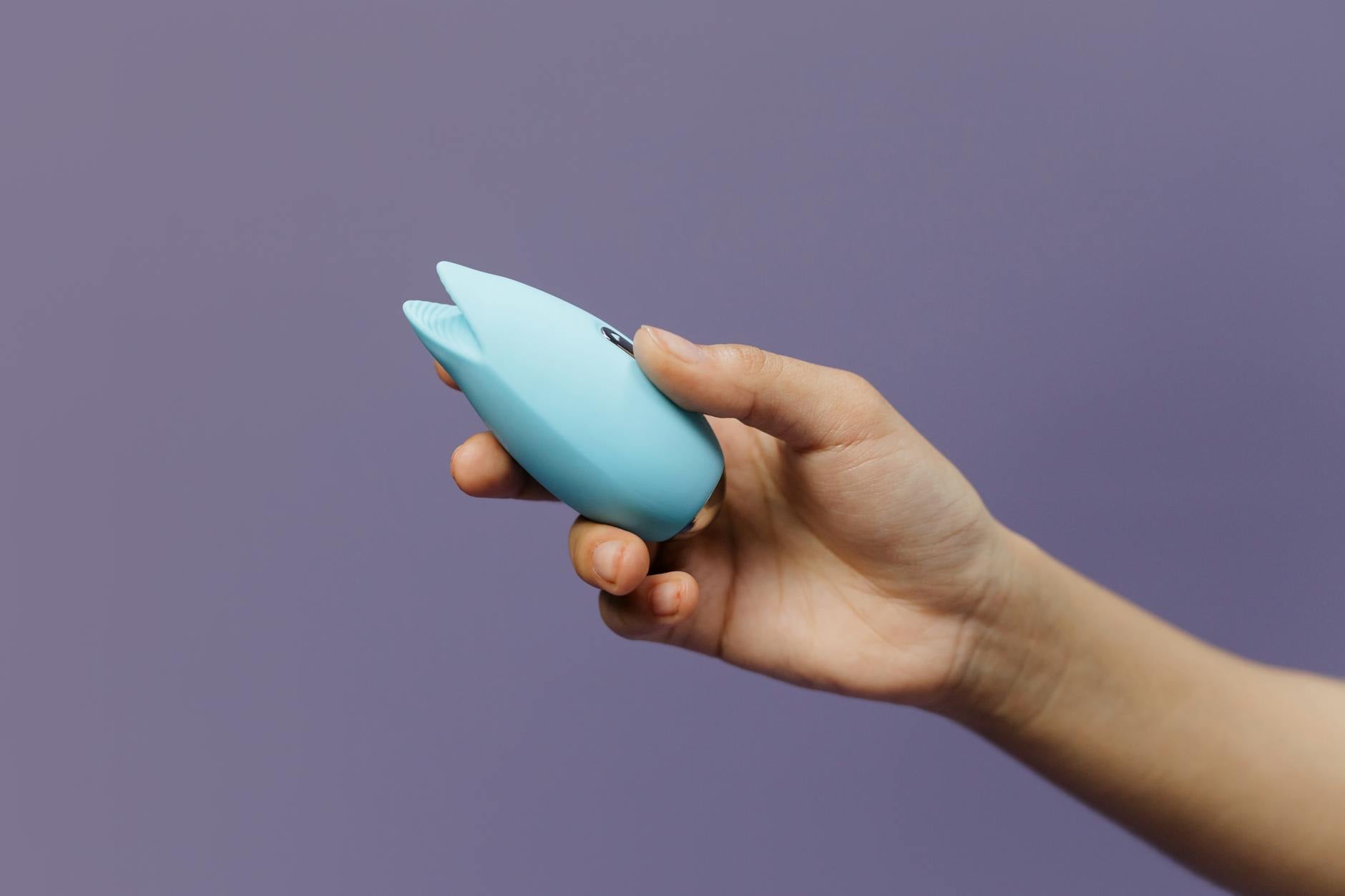
Lemon clitoral vibrators operate on suction technology. The stimulation comes from air-pulse patterns, not vibrating motors. That distinction isn't just academic. It's the reason people with reactive, sensitive, or easily irritated skin often find lemon toys more comfortable than traditional vibrators after just one use.
Why sensitive skin reacts to friction-based toys
Your clitoral tissue is thinner and more permeable than the skin on the rest of your body. It's packed with nerve endings and blood vessels. When you apply repeated micro-friction to that tissue, you're essentially creating controlled inflammation. In small doses, that inflammation feels like sensation. In larger doses, it feels like burning, numbness, or that raw feeling you get when you've had too much stimulation.
People with skin conditions like eczema, psoriasis, or dermatitis are especially vulnerable. Your skin barrier is already compromised, which means irritants penetrate faster and inflammation lingers longer. Traditional vibrators can trigger flare-ups that last a week or more.
But there's another angle. Some people aren't born with sensitive skin. They develop it. Hormonal shifts, medication side effects, aging, even long-term stress can thin the vulvar skin and make it more reactive. If you've noticed your body changing over time, that's not weakness. It's just adaptation. And it's a signal that your toy choice should adapt too.
How lemon vibrators protect sensitive tissue
When you use a lemon clitoral vibrator, the stimulation pattern is rhythmic but non-frictional. Think of it as a massage that doesn't require the toy to slide across the skin. The pressure waves work deeper into the tissue instead of scraping the surface.
That means several protective things happen at once.
First, there's no cumulative micro-trauma. Your skin doesn't get rubbed raw because nothing's rubbing. Second, blood flow is still stimulated, which feels amazing, but without the inflammatory response that friction creates. Third, you can use a lemon toy for longer without pain or irritation building up over time. Many people with sensitive skin report they can use suction-based toys for 20-30 minutes without discomfort, whereas friction-based vibrators become uncomfortable after 10-15.
There's also a lubricant benefit. With friction toys, you need a lot of lube, and even then, some people's skin reacts to the lube itself. Suction toys don't require the same heavy lubrication. Less lube means fewer variables irritating your skin. Win-win.
Choosing the right lemon toy for your skin type
Not all sensitive skin is the same, and not all people respond to stimulation the same way. Here's how to think about fit.
If your skin reacts to pressure, start with the lowest suction setting on your lemon vibrator. You might assume you need to jump straight to intense stimulation, but with sensitive skin, gentler is almost always better. You can always increase intensity. You can't un-irritate skin that's already flared up. Spend a few sessions at pattern 1 or 2 and let your body adapt.
If your skin reacts to heat, keep the toy clean and at room temperature before use. Silicone toys can warm up slightly during use, which some sensitive-skin folks find irritating. A quick rinse with cool water before you start can help.
If you're prone to yeast infections or have a history of vulvovaginitis, watch for signs that the toy is creating an environment for overgrowth. Excessive warmth, friction, or moisture can trigger flares. Suction toys create less sustained heat than friction toys, but you still need to clean thoroughly after each use.
If you're on medications that thin the skin (like topical corticosteroids for eczema), you might be extra sensitive. Talk to your doctor before introducing any new stimulation, and start slower than you think you need to.
The role of material and cleanliness
You can't fix poor hygiene with the right toy design. Even a lemon clitoral vibrator needs to be cleaned properly, dried fully, and stored in a clean place. Bacteria and residual lubricant left on the surface create irritation.
Use warm water and toy cleaner after every use. Dry completely with a lint-free cloth. Store in a clean pouch away from dust. It sounds basic, but it's the most commonly missed step for people struggling with sensitivity.
As for material, medical-grade silicone is the standard for a reason. It doesn't leach chemicals, it's less likely to harbor bacteria in microscopic pits, and it's compatible with both water-based and silicone-based lubricants. If you're buying a lemon toy, make sure it's body-safe silicone, not plastic or rubber.
When to pause and seek help
There's a difference between normal sensitivity and a sign something's wrong. If you experience persistent pain, severe swelling, unusual discharge, or symptoms that last more than 24 hours after use, stop and see a gynecologist. You might have a yeast infection, a bacterial imbalance, or a condition like vulvodynia that needs professional care.
Sensitivity isn't a character flaw or something you have to push through. It's information. Listen to it. If a toy isn't working for your body, switch approaches. Your pleasure shouldn't come with a pain penalty.
People with truly reactive skin sometimes find that their sensitivity actually decreases over time when they use the right tools. There's something about consistent, gentle stimulation that helps your nervous system recalibrate. It's not guaranteed, and it's not magic, but it's worth knowing that sensitivity can improve. You're not stuck with discomfort forever.
Why lemon vibrators are worth the switch
If you've avoided toys altogether because other vibrators left you uncomfortable, a lemon clitoral vibrator might be your entry point. It's specifically designed for bodies that need something different. That's not a limitation. That's smart self-care.
Your pleasure matters, and it shouldn't require pain tolerance as a prerequisite. Suction-based technology isn't trendy because it looks good in marketing. It's popular because it works for people whose bodies don't respond well to traditional stimulation. You deserve a tool that fits your actual body, not a generic one you have to adapt to.
Start with the right toy, honor your skin's needs, and you'll probably find that sensitivity becomes less of a barrier and more of a signal pointing you toward what actually feels good.