Here's what nobody tells you about medication and sex
You start a new medication for depression, anxiety, or blood pressure. Your doctor mentions possible side effects: drowsiness, nausea, maybe a headache. Nobody says, "Your vagina will dry up and sensation will vanish." But it does. And then you're sitting alone wondering if you'll ever feel pleasure again, or if this is just the price of mental health.
It's not.
Medication-induced vaginal dryness is real, common, and fixable. The catch is that standard solutions (more lube, longer foreplay) don't always cut it when the problem is neurochemical, not just physical.
What medications actually cause this
Three classes of drugs are the main culprits:
SSRIs and antidepressants. Sertraline, paroxetine, fluoxetine, and their cousins work by modulating serotonin. That same serotonin regulates fluid secretion, arousal signaling, and genital blood flow. For roughly 40-60% of people taking them, lubrication drops noticeably within weeks.
Antihistamines. Cetirizine, loratadine, and diphenhydramine dry out mucous membranes everywhere, which includes the vagina. If you take allergy meds year-round, the dryness compounds.
Blood pressure medications. ACE inhibitors and beta-blockers reduce blood flow systemically, which means less engorgement, less lubrication, and slower arousal. Some people don't notice. Others lose sensation almost entirely.
Other candidates: anticholinergics (for IBS or overactive bladder), some decongestants, and even certain hormonal contraceptives with higher progestin ratios.
Why simple solutions miss the real problem
Water-based lubricant helps. It does. But if the root cause is neurochemical (your brain isn't triggering genital blood flow), more lube is like putting a band-aid on a broken arm. You're treating the symptom, not the mechanism.
Here's what's actually happening at the nerve level:
Arousal involves a chain of events. Your brain registers desire, triggers nerve signals to the genitals, which causes blood vessels to dilate and fluid to seep through vaginal walls. Medications that affect neurotransmitters (serotonin, dopamine, norepinephrine) interrupt that chain at the brain or nerve level. External lubrication bypasses the vascular problem, but your clitoris still isn't getting the blood flow it needs for sensation and orgasm.
That's why lemon clitoral vibrators change the equation.
How suction-based stimulation works differently
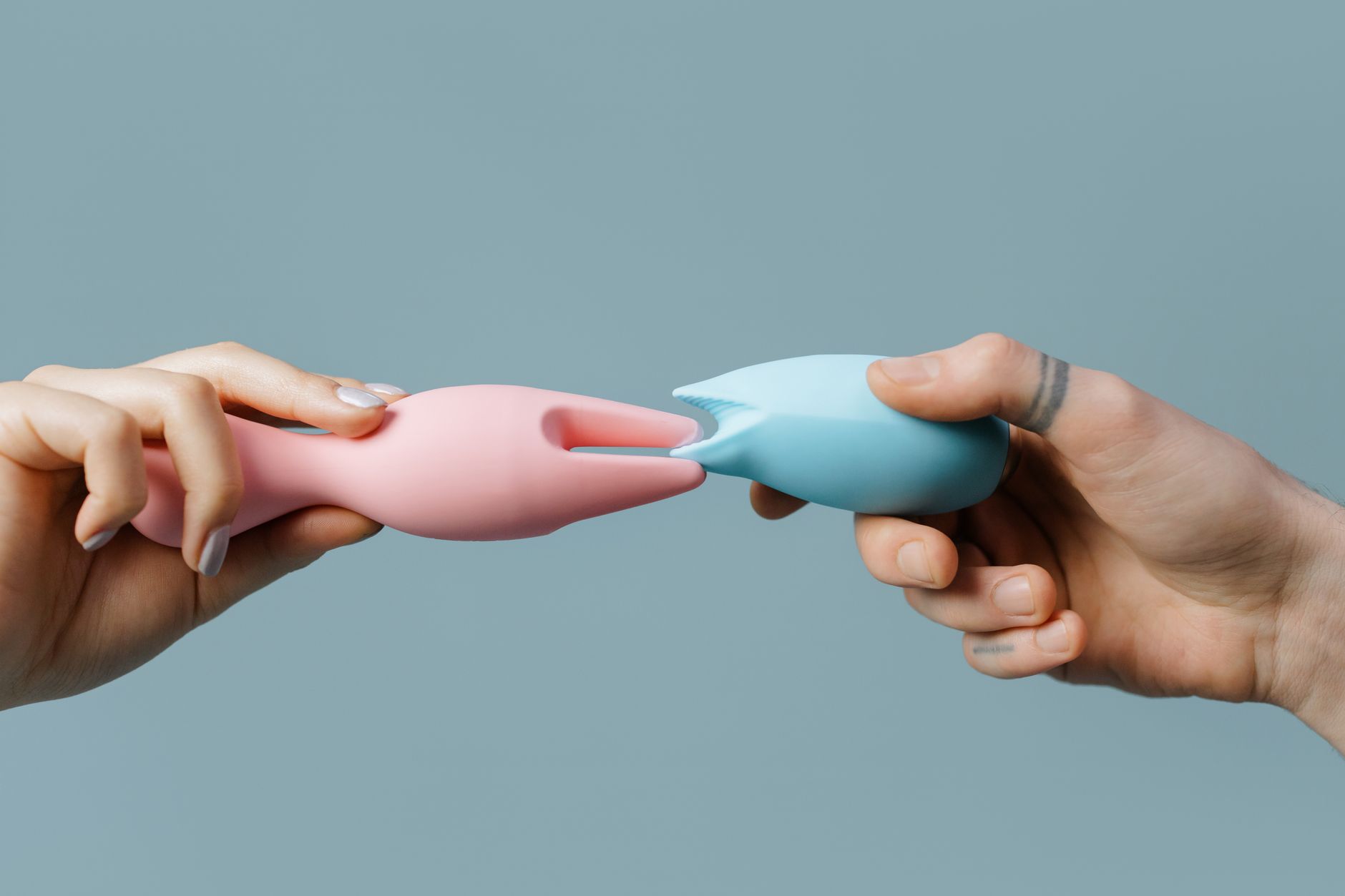
The Lem and other lemon sucker-style toys use gentle air-pulse technology instead of direct vibration. This matters because:
They stimulate via suction, not friction. The clitoris has roughly 8,000 nerve endings concentrated in a small area. When you're already dry and sensation is muted, direct vibration can feel too intense or even numb. Suction creates a different kind of stimulation. It pulls blood into the tissue, which increases sensitivity, and the pulsing sensation is gentler than a traditional vibrator's buzz.
They work with lower arousal baseline. If your medication has tanked your natural lubrication and genital blood flow, you're starting from a lower baseline of sensitivity. A lemon clitoral vibrator designed for precision can reach that tissue and generate response even when your body isn't producing its usual lubrication cascade.
They feel less clinical. When pleasure has been absent for months, relearning your body matters psychologically. A lemon vibrator feels different, almost playful. That mental reset can unlock arousal that other devices won't.
What to actually do when medication kills sensation
Step one: talk to your prescriber. This is non-negotiable. They might adjust your dose, switch your medication to a different class with fewer sexual side effects, or add an additional medication to offset the dryness.
Common swaps: if SSRIs are the problem, some people move to bupropion or mirtazapine, which don't suppress arousal. If it's blood pressure meds, sometimes a different class works better. The conversation takes ten minutes and changes everything.
Step two: if changing meds isn't an option or doesn't fully solve it, work with lubrication and sensation tools strategically.
Use water-based lube (silicone can feel too slippery and reduces friction-based sensation). Apply it generously before you start, not as an afterthought. Warm it in your palms first. Cold lube sends the wrong signal to your nervous system.
Then bring in a lemon clitoral vibrator. Start on the lowest setting, which for devices like the Lem is a gentle, almost teasing pulse. Because your tissue sensitivity is already reduced, the lower intensity forces you to focus on what's actually happening instead of chasing sensation. Paradoxically, this works better than a high-powered setting would.
Budget 25-40 minutes. Medication-induced dryness often comes with delayed arousal, so expectations from your pre-medication life won't work. Your body needs time to remember what's happening.
The emotional piece nobody mentions
When medication gives you your life back but takes away pleasure, you're grieving something real. You might feel resentful toward the medication, or guilty (like you should be grateful and stop complaining), or just... numb in every direction.
That emotional weight matters because pleasure isn't just physical. Your brain has to be in the game. If you're carrying anger or resignation, your body won't respond, even with perfect technique and the right tools.
Talk to your partner (if you have one) about what's changed. Not "my medication broke my sex drive" but "my brain chemistry shifted and my body needs different timing and stimulation now. Here's what helps." Make it a curiosity together instead of a problem you're solving alone.
If you're solo, give yourself permission to explore without performance pressure. The whole point is rediscovery, not proving you're still the same person.
When you might need professional help
If three months of lubrication, adjusted timing, and lemon vibrator use haven't restored any sensation, talk to a sex therapist or genitourinary specialist. Sometimes medication-induced changes are more stubborn, and combining behavioral approaches with medical ones (topical estrogen or testosterone, in some cases) makes the difference.
Also seek help if the dryness comes with pain, burning, or unusual discharge. That's not just medication side effects. That's something that needs clinical assessment.
Most importantly: medication-induced dryness is temporary and treatable. You didn't lose your capacity for pleasure. Your biochemistry changed, and pleasure adapts when you give it the right conditions.
People also ask
Can I stop taking my medication to get sensation back?
Not without talking to your doctor first. The medication is probably solving something important. Work with your prescriber on alternatives or additions before you consider stopping. Depression, anxiety, and hypertension all have real consequences if left untreated.
How long does medication-induced dryness last if I switch medications?
Usually 2-6 weeks for improvement, 8-12 weeks for full resolution. Your body needs time to rebalance once the offending medication is out of your system. In the meantime, the strategies above still apply.
Does increasing foreplay help with medication-induced dryness?
Partially, but not completely. Standard foreplay assumes your parasympathetic nervous system is functioning normally and that arousal will trigger lubrication naturally. With medication side effects, that cascade is interrupted. Longer foreplay helps, but you're still fighting against a neurochemical issue. That's why external tools like a lemon clitoral vibrator fill the gap that time alone won't.
Is it normal to lose sensation on antidepressants?
Yes, extremely common. Studies show 40-60% of people on SSRIs experience reduced genital sensation or lubrication. It's a documented side effect, not a sign you're broken or doing something wrong. Your body is responding exactly as chemistry predicts.
Can lubricant alone fix medication-induced dryness?
Lubrication helps with comfort and friction, but it doesn't restore the neurological cascade that creates arousal and sensation. If the problem is that your medication has dampened the signals between your brain and genitals, lube makes sex possible but not necessarily pleasurable. Combining lube with sensation-focused tools like a lemon clitoral vibrator gives you both comfort and the chance to feel something again.
What if my partner doesn't understand why I need more help now?
This is worth a direct conversation. Medication-induced changes aren't about them or your attraction. They're chemistry. Frame it as "my nervous system needs different input now" rather than "you're not turning me on anymore." Many partners get it immediately once they understand it's not relational. If your partner dismisses medication side effects as an excuse, that's a separate relationship issue worth addressing with a couples therapist.
The bottom line
Medication-induced vaginal dryness and reduced sensation are real consequences of real treatment. They're also temporary and manageable when you address them strategically: by talking to your prescriber, using external lubrication, building in more arousal time, and using sensation-focused tools like lemon clitoral vibrators that work with your changed neurochemistry instead of against it.
Your pleasure matters, even when your brain chemistry is in flux. Especially then.