Let's talk about what comes after
Trauma disrupts the nervous system's relationship with your own body. Pleasure, which once felt like it belonged to you, can start to feel like it doesn't. Some people describe it as numbness. Others describe it as hypervigilance. Both are normal trauma responses. And both can shift with the right tools, time, and gentleness.
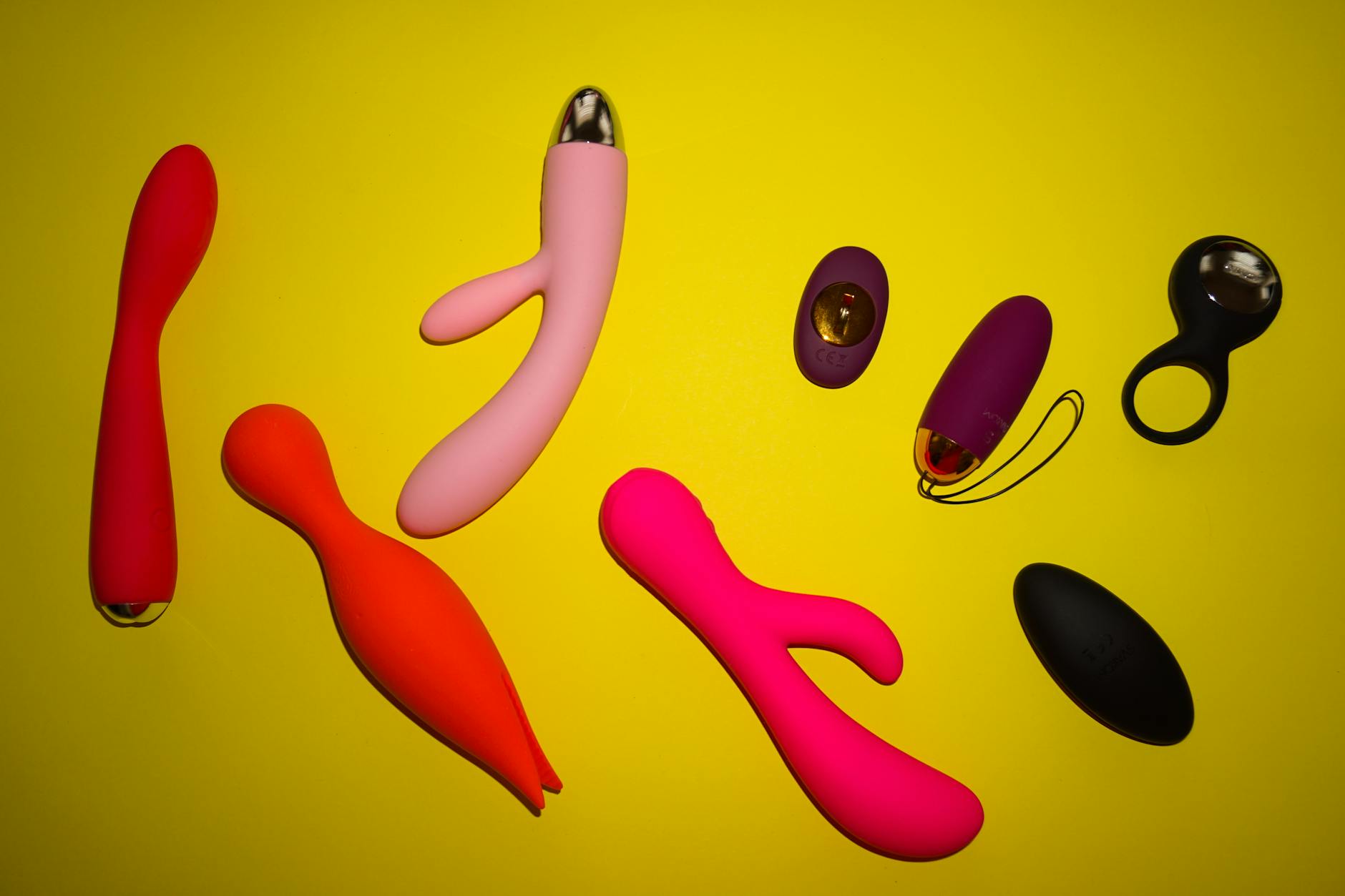
Reclaiming pleasure after sexual trauma isn't about forcing yourself back into arousal. It's about slowly, carefully teaching your nervous system that touch can be safe again. A lemon vibrator, specifically the suction design of a lemon clitoral vibrator, can be part of that relearning. Not as a band-aid. As a structured, controllable tool that puts you entirely in charge.
Why the structure of a lemon vibrator helps
There are three reasons I often recommend a lemon sexual toy to clients rebuilding after trauma.
First, it's you alone. No partner, no performance, no one watching. That autonomy is the foundation of healing. When you use a lemon vibrator solo, you're not managing anyone else's response. You're not proving anything. You're gathering data about what your body actually wants.
Second, the suction pattern is different from internal penetration. If penetrative touch is part of what triggered your trauma, a clitoral vibrator that operates through air-suction stimulation bypasses that entirely. You get stimulation and pleasure through a mechanism that feels fundamentally separate from the violation. This distinction matters neurologically. Your brain can categorize it as "different" rather than "similar."
Third, the Lem and other lemon adult toys give you dial-able intensity. Trauma survivors often experience flooding. Pattern 1 on a lemon sucker is barely perceptible. You can start there. You can spend weeks there. You're in complete control of the ramp-up, which means your nervous system doesn't spiral into protective shutdown.
The nervous system groundwork before you begin
Here's the thing: buying a lemon vibrator and using it aren't the same conversation. Before you even power on your device, your nervous system needs to know it's safe.
Start with touch that has nothing to do with pleasure. Warm water. Your own hands on your forearms. A soft fabric. The goal is reconnecting with sensation without the pressure of feeling good. This typically takes 2-4 weeks, sometimes longer.
Then move to non-sexual touch in your genital area. Warm water in the shower. Your hand, no goal. Again, no performance. This is desensitization in the clinical sense. You're training your system to receive touch there without immediately bracing for danger.
Only after those groundwork phases should you consider introducing a vibrator of any kind. Rushing this part guarantees setback.
Your first session with a lemon clitoral vibrator
Plan for a 20 to 30 minute window when you're genuinely alone and not rushed. Cortisol levels matter. Feeling watched or time-pressured will lock your nervous system down.
Start by holding the device without turning it on. Let your hand get used to its weight, shape, temperature. This sounds basic, but it's crucial. You're building a non-threatening association before any sensation arrives.
When you're ready, turn it to Pattern 1. The lowest intensity. Place it near your clitoris. You don't have to make direct contact. Some people prefer it placed on fabric first. Others want skin-to-skin. Your preference is the only right answer.
Notice what you feel. Not judgment. Not "is this working." Just observation. Tingling? Pressure? Numbness? Anxiety? All of that is data, not failure.
Many trauma survivors report that their first session is 90 percent nervous system settling and 10 percent pleasure. That's not a wasted session. That's exactly what should happen.
When dissociation shows up
Dissociation is a trauma survival mechanism. During a session with your lemon vibrator, you might notice yourself floating away, becoming clinical about what's happening, losing sensation. This is your nervous system doing exactly what it learned to do.
When you notice it, pause. You don't have to stop completely, but reduce intensity or pause for a moment. Ground yourself: name three things you see. Feel the texture of your sheets. Notice that you're safe, you're alone, you chose this.
Then resume or call it a session. There's no prize for pushing through dissociation. In fact, pushing through teaches your system that your cues don't matter. You're retraining it to trust you, so honoring what it's telling you is the whole point.
Building intensity over weeks, not days
I recommend a pattern like this: spend 2-3 weeks at Pattern 1. Once that feels manageable and you're experiencing less anxiety during sessions, move to Pattern 2. Stay there 2-3 weeks. Pattern 3 can come next.
This timeline feels glacially slow. It is intentionally slow. Your nervous system doesn't remap quickly. But it does remap. Clients who follow this pacing report that by week 8 or 9, their baseline anxiety during pleasure drops dramatically. By week 12, many are experiencing orgasm again.
Some people plateau at Pattern 2 and never want to go higher. That's fine. You're not aiming for "the most intense." You're aiming for "what feels good and safe to me."
When a partner is in the picture
If you're in a relationship, this solo work doesn't change because your partner exists. Keep it solo for at least 4-6 weeks. This is your nervous system's time to rebuild trust with itself first.
When you're ready to involve a partner, start with them simply present in the room, not touching you. Then move to them watching, if you want that. Then move to them using the lemon vibrator on you while you guide intensity and speed.
Many survivors report that having a partner use the device first is actually easier than partner penetration, because you're directing the touch and the intensity. You're still in control.
Conversation about this is separate from the physical exploration. Tell your partner: "I'm rebuilding my relationship with pleasure. That means slow, that means I'm going to ask for stops or pauses, and that's not rejection. That's healing." If your partner can't hold space for that, that's information too.
Managing flashbacks and setbacks
Sometimes you'll be in a session with your lemon sexual toy and something will trigger a memory or fear response. Your body might contract. You might suddenly feel unsafe in your own skin.
This is not failure. This is your nervous system processing. Pause immediately. Don't judge yourself. Step away from the device. Do something grounding: walk around, eat something, call a friend, take a shower.
Long-term healing from trauma often involves actual therapy, not just tools. If flashbacks are frequent or intense, that's a sign to work with a trauma-informed therapist alongside your solo exploration. The lemon vibrator isn't a replacement for professional support. It's an adjunct to it.
The bigger picture: pleasure as reclamation
Reclaiming orgasm or pleasure after trauma isn't actually about the orgasm. It's about reclaiming your body as yours. It's about teaching your nervous system that you can be touched, can experience sensation, and still be safe. That power is yours.
A lemon vibrator is a tool for that work. Not the only tool. Not a magic fix. But a structured, controllable, joyful one. You choose when. You choose how. You choose to stop. That repetition of consent, of agency, of choice is what rewires the nervous system after violation.
Take your time. Your nervous system has been through enough.
People also ask
Is it normal to feel nothing when I start using a lemon vibrator after trauma?
Completely normal. Numbness is a classic trauma response. Your nervous system shut down sensation partly to protect itself. Reactivating sensation takes time. The fact that you feel nothing isn't a sign the device isn't working. It's a sign your healing is in process. Stick with Pattern 1 for 3-4 weeks before expecting any warmth or tingling. Many people report that numbness gradually shifts to mild sensation, then genuine pleasure. That timeline is individual.
Can I use a lemon clitoral vibrator if I'm triggered by the word "sexual" or if I need to frame this as "self-care" instead?
Yes. Language matters. If "sexual pleasure" carries too much weight right now, call it sensation exploration, body reconnection, nervous system healing. None of those labels are wrong. The process is the same. Framing this as self-care rather than performance can actually reduce anxiety. Your nervous system doesn't care what you call it. It cares that you're going slowly and stopping when you need to.
How do I know if I'm ready to involve my partner in this process?
Ready looks like: you've had at least 8-10 solo sessions without significant anxiety or flashbacks, you're experiencing some pleasure or at least decreased numbness, and you genuinely want to involve your partner rather than feeling obligated. If you're doing this because you think you "should" or because your partner is waiting, you're not ready yet. Your readiness, not their timeline, is what matters.
What if my partner wants to help but I still panic?
Panic doesn't mean "you're not ready" or "your relationship is broken." It means your nervous system is still in protection mode. Tell your partner exactly that. Take a break. Go back to solo exploration for another few weeks. The panic will likely decrease with repetition and time. If it doesn't improve after 3-4 months of solo work, a trauma-informed therapist can help.
Can I use lubricant with a lemon vibrator while recovering from trauma?
Yes. Water-based lubricant can actually help because it reduces friction and pressure. If you have genital sensitivity or pain alongside your trauma history, lubricant makes the experience gentler. Just make sure your lemon sexual toy is cleaned thoroughly after use, especially if you've used lubricant. Check the care guidelines at /care for specific cleaning instructions.
Is there a difference between healing with a lemon sucker versus other vibrators?
The suction mechanism is gentler on sensitive tissue and doesn't involve penetration, which many trauma survivors find less triggering. The external-only design also keeps you in control of exactly where and how stimulation happens. Some people find this structure more psychologically safe. That said, healing is individual. If a different device type feels better for you, that's valid too. The best tool is the one that feels safest to you.
Moving forward
Reclaiming your body and your pleasure after trauma is some of the bravest work you can do. There's no timeline for it. There's no "correct" pace. There's only your nervous system, your body, your choice, and the gentleness you're willing to offer yourself.
If you're struggling with how to start or how to move forward, reach out. Contact Hellanancylemon and let us know what you need. We're here to support your healing journey, whatever that looks like.