Let's start with the real conversation
Starting depression treatment is brave. It's also disorienting. The medication that lifts the fog also flattens sensation. Your body feels distant. Arousal takes forever. Orgasm feels muted or absent entirely. And suddenly sex, which was already complicated by depression, becomes this frustrating reminder that something else has shifted.
Here's what I want you to know: this is temporary. Your nervous system is recalibrating. A lemon clitoral vibrator isn't going to fix depression, but it can be a bridge back to sensation during this transition.
What depression treatment actually does to pleasure
Antidepressants work by regulating serotonin and other neurotransmitters. Serotonin affects mood, but it also affects arousal, lubrication, and orgasmic response. SSRIs (the most commonly prescribed class) can delay or flatten orgasm in 30 to 60 percent of people who take them. It's not a myth. It's neurobiology.
But here's the part nobody explains clearly: this change is dose-dependent and timing-dependent. Most people notice the worst of it in the first 4 to 8 weeks. After that, the body begins to adapt. Some people regain full sensation within 3 months. Others need a dosage adjustment or a medication switch. A few stay in the fog and need active support.
The key is knowing where you are in that timeline. If you started last month, you're in the adjustment window. That's different from someone 18 months in who hasn't noticed improvement.
Why a lemon clitoral vibrator helps when sensation is blunted
When depression medication flattens sensation, your body isn't broken. Your nervous system is just getting less input. A clitoral vibrator provides consistent, intense stimulation that bypasses some of the arousal delay.
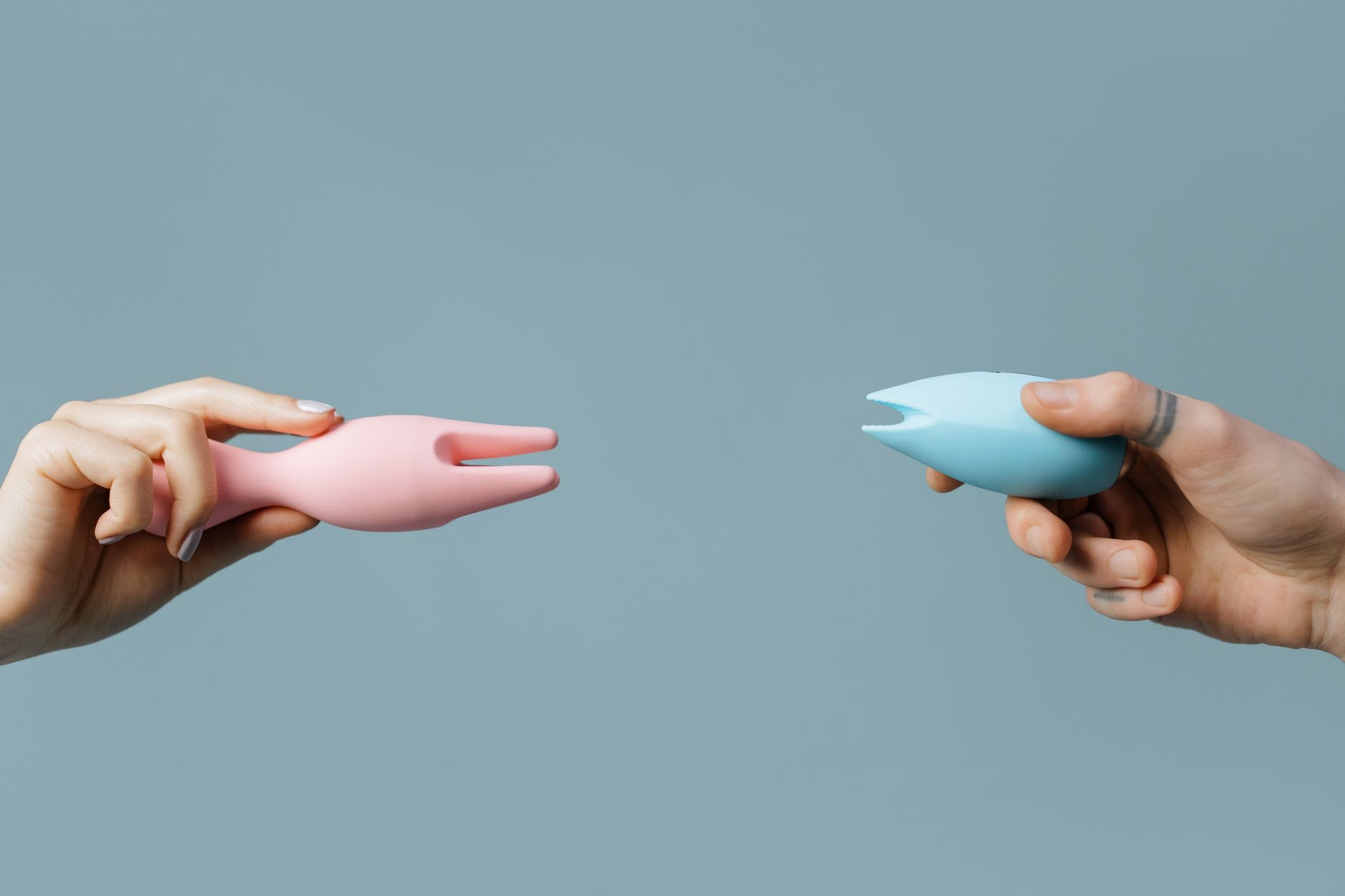
The Lem, specifically, uses air-suction technology instead of traditional vibration. That means it's stimulating through gentle suction rather than high-frequency buzzing. Why does that matter? Because when your nervous system is dampened by medication, you need effective stimulation without harshness. Suction reaches deeper nerve networks and often creates sensation that feels more present than standard vibration.
In my practice, I've had clients report that after starting antidepressants, suction-based toys became their gateway back to pleasure when traditional vibrators felt like waving a hand in front of their face.
The timeline for reconnecting with sensation
Weeks 1-6: Expect patience. Everything feels muted. A lemon vibrator might feel like something, but probably not orgasm yet. The goal here isn't to force pleasure. It's to practice paying attention to your body without judgment. Use the lowest settings. Spend 10 to 15 minutes exploring. This is your nervous system saying hello.
Weeks 6-12: This is when most people start noticing shifts. Arousal time shortens. Sensation becomes less numb. Some people experience first orgasm on medication around week 8 to 10. If that's not you, that's fine. You're still calibrating.
Weeks 12 and beyond: By three months, your body has usually adapted to the new baseline. If sensation still feels absent, a conversation with your prescriber is worth having. Sometimes a dose adjustment or switching timing helps.
How to actually use a lemon vibrator during this phase
Forget what you think you know about getting off.
Start alone. No performance pressure. No partner waiting for you to finish. Set aside 15 to 20 minutes with no interruptions. Wear what feels comfortable. It doesn't have to be sexy.
Begin with a water-based lubricant. Your body may not be producing as much lubrication because of medication. That's normal. Don't treat lube as an admission of failure. Treat it as support.
Start with the Lem on its lowest setting. Many people skip the first two intensity levels because they assume the toy works better on higher settings. That's a mistake when your sensation is dampened. Spend at least five minutes on pattern 1. Your nervous system needs time to wake up.
Then move to pattern 2. Then 3. You're not chasing the strongest setting. You're finding the setting where you actually feel something. Pause when you need to. This isn't a race. The goal is presence, not completion.
If you reach orgasm, excellent. If you don't, that's also fine. What matters is that you spent 20 minutes reconnecting with your body. That's data. That's progress.
Managing expectations while medication is adjusting
Depression told you that you'd never feel anything again. Now medication is whispering the same thing, just in a different register. Neither is true, but both lie convincingly.
Expect to feel frustrated. That's appropriate. Your body is doing something unfamiliar. That frustration is temporary.
Expect some sessions to feel better than others. That's also normal. Medication response isn't linear. Some days your nervous system is more responsive. Some days it's flat. Weather, sleep, stress, whether you ate enough salt. All of it affects sensation.
Don't compare your pleasure to pre-medication pleasure. That's like comparing your mood now to before depression. You're a different version. The version now has medicine supporting your brain. That version's pleasure might look different. It might also become deeper once you're through this adjustment.
Manyof my clients, once they'd fully adjusted to antidepressants, reported more satisfying pleasure than before. The reason: they could finally be present without depression's constant noise. That's the gift at the other end of this waiting period.
When to talk to your doctor about what's happening
If it's been six weeks and sensation feels exactly the same as week one, tell your prescriber. If it's been three months with zero improvement, don't just accept it. Medication adjustment, timing changes, or a different class of medication might help.
If orgasm completely disappears and you're deeply distressed by it, mention that too. Some people need an additional medication to counteract sexual side effects. Others do well with a dosage tweak. Your prescriber has options. You just have to ask.
Also mention if pleasure starts returning and then flattens again. That sometimes signals a tolerance issue or a need for dose adjustment. You're not complaining. You're providing information.
The partnership conversation
If you have a partner, this is worth discussing separate from the bedroom. Not during sex. Not as criticism. Just at breakfast or on a walk.
"My body is adjusting to medication. Sensation feels different right now. This isn't permanent, and it's not about us. I wanted you to know what's happening so you don't misinterpret what my body is doing."
That's it. The conversation doesn't need to be longer. But it prevents a partner from internalizing your blunted response as rejection.
Some partners want to know how to help. Some want to give you space. Most want clarity about the timeline. Telling them you're expecting improvement around month three gives them a framework instead of vague uncertainty.
Getting back to solo pleasure matters
Right now, solo pleasure with a lemon vibrator isn't indulgent. It's medicine. You're remapping your nervous system's connection to sensation. You're gathering data about what works and what doesn't. You're proving to yourself that pleasure still exists, even if it feels distant.
Make it a practice. Two or three times a week. Not because you have to finish. Because you deserve to spend time in your body. Because pleasure is part of healing, not a distraction from it.
Your brain chemistry is changing. Your capacity for joy is coming back online. Your body will remember sensation again. Until then, a lemon clitoral vibrator is a tool for staying connected to the person underneath all of this.
People also ask
How long does it take for antidepressants to stop affecting sexual sensation?
Most people notice improvement between 8 and 12 weeks as their body adjusts to the medication. Some regain sensation much faster, others take longer. If you haven't noticed any improvement by three months, ask your doctor about dosage adjustment or medication switching. You don't have to accept sexual side effects indefinitely.
Can I use a lemon vibrator while taking antidepressants?
Absolutely. A lemon clitoral vibrator is safe to use while on antidepressants. In fact, many people find that suction-based stimulation works better than traditional vibration when medication dampens sensation. There are no contraindications between medication and using a sex toy.
Does using a vibrator regularly while on antidepressants change how the toy feels over time?
Your body may adapt to consistent stimulation, which is why varying intensity settings and patterns helps. It's not that the vibrator stops working. It's that your nervous system learns the sensation. Switching between solo use and partnered use, varying timing, and taking occasional breaks all help maintain responsiveness.
Will my orgasms come back the same way they were before medication?
Probably not exactly the same, but that's not necessarily bad. Some people find that post-medication orgasms feel different, sometimes more localized or shorter, sometimes deeper. The key is curiosity instead of judgment. Your body's pleasure response is calibrating to a new baseline.
What if I've been on antidepressants for months and sensation still hasn't returned?
Talk to your prescriber. You have options: dose adjustment, taking medication at a different time of day, adding another medication to counteract sexual side effects, or switching to a different antidepressant class that affects sexual function less. Some people need to try two or three medications before finding the right fit for them and their body.
Is it normal to feel frustrated about pleasure changes while starting medication?
Completely. You're dealing with both the original depression and now medication adjustment. Frustration is the appropriate response. Just make sure you're directing that frustration at the situation, not at your body. Your body is healing. It's doing the best it can.
You're going to get through this
Depression treatment is hard. The adjustment phase is harder. Your body feels strange to you. Sensation feels impossible. A tool like a lemon vibrator won't fix the underlying chemistry. But it can help you stay connected to yourself while your nervous system is rewiring.
The fog lifts. Sensation returns. Your capacity for pleasure comes back online. Not immediately. Not on anyone else's timeline. But reliably.
Until then, you deserve to spend time in your body without shame. A clitoral vibrator is just support while you're getting there.