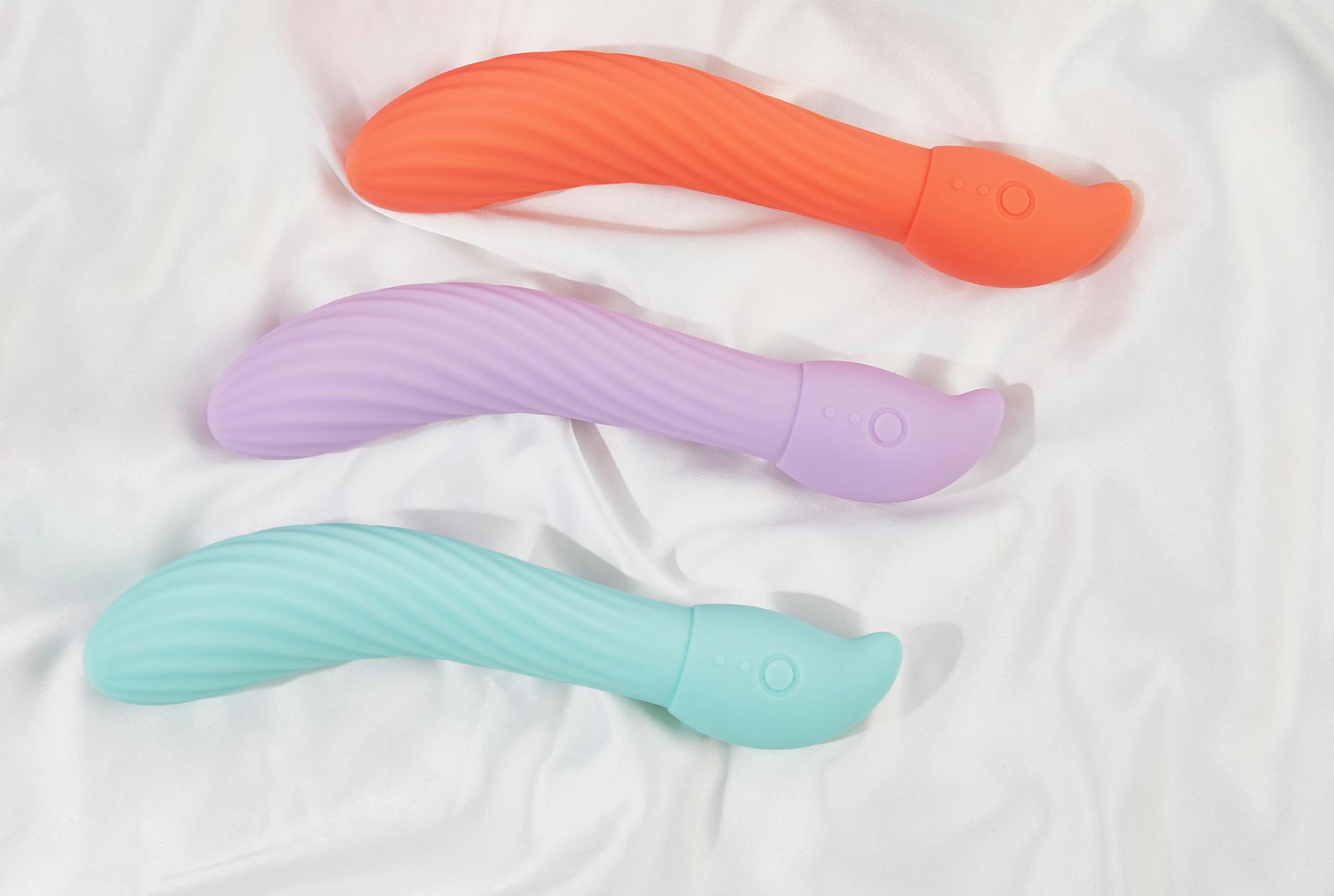
How to Use a Lemon Vibrator During Divorce or Major Relationship Transition
Let's be real. Divorce and major relationship breaks are not the time your body gets a memo about taking a pleasure break. Your nervous system is already in overdrive. Your identity just cracked. The last thing you need is another reason to feel broken.
But here's what I see clinically, over and over: people going through relationship endings often rediscover their own arousal for the first time in years. Not because the separation magically fixes things, but because the permission structure changes. You're no longer performing intimacy for someone else. You're no longer calibrating your pleasure around partnership. You get to have it back.
Using a lemon clitoral vibrator during this transition is not a Band-Aid. It's reconnection.
Why your body might feel different right now
Relationship breakdown spikes cortisol. Your pelvic floor tightens. Arousal takes longer because your nervous system is stuck in fight-or-flight mode, not play mode. Many of my clients report that even thinking about pleasure feels disloyal, selfish, or frankly impossible when they're signing legal documents.
That's normal. That's also temporary.
What I tell people is this: using a lemon vibrator isn't about feeling happy. It's about reclaiming your body as yours. It's about reminding your nervous system that sensation still exists. That you're still alive, still capable, still whole even though your relationship isn't.
This distinction matters because if you wait until you feel "ready" or "healed" to reconnect with pleasure, you might wait years. Healing and pleasure aren't sequential. They happen together.
Starting with the right frame
If you haven't used a clitoral vibrator before, or it's been a while, the transition period is actually ideal timing. You have no history to perform for. You have no partnership rhythm to match. You have space to be curious without anyone watching.
Begin with the lemon vibrator on the lowest patterns. Not because you're fragile, but because your attention will be sharper. You'll notice what actually feels good instead of what you think you're supposed to feel. Set 15 minutes aside, no phone, no negotiation. Your body deserves that.
The air-suction technology in a lemon vibrator works particularly well during stress because it doesn't require the same mental focus as friction-based vibrators. The sensation does the work for you. Your brain doesn't have to be present. Which is good, because your brain is currently dealing with a lot.
Lubrication and sensitivity during emotional stress
Stress dries things out. That's biochemistry, not a judgment. If you notice less natural lubrication during this period, water-based lube becomes your friend. Not because something's wrong, but because your endocrine system is flooded with cortisol instead of producing its usual fluid response.
Use the lube generously. This isn't about sensation economy. It's about comfort and safety. Your tissues deserve the same care you'd give a friend going through what you're going through.
Many people also find that sensitivity shifts. Some experience numbness. Others get more sensitive. Both are stress responses. Neither means you're broken. They usually resolve once your nervous system settles. If you're experiencing persistent numbness, that's the moment to slow down and maybe talk to someone clinically, but during the acute transition period, expect your body to feel a little weird.
The solo practice vs. partnered question
If you're immediately entering a new relationship or reconnecting with someone, that's a different conversation than using a lemon vibrator solo during your healing. I'd recommend spending at least a few weeks with solo practice before introducing a lemon clitoral vibrator into partnered intimacy.
Why? Because you need to know what your own pleasure feels like without an audience, literally or mentally. You need to remember that orgasm is something you can give yourself. That sensation belongs to you, not to a relationship structure.
For solo use during transition, the lemon vibrator is near-perfect. It's quiet, discreet, easy to clean, and the suction sensation feels fundamentally different from partner touch. That difference is the whole point. You're not trying to replicate the intimacy you lost. You're building something new.
Timing and the nervous system
You don't have to wait until evening. Honestly, morning can be better during stress periods. Your nervous system is less flooded, your body is rested, and you're less likely to spiral into negative self-talk. Use the lemon vibrator when your attention is available, not when you think you "should."
Some people find that using their clitoral vibrator right after a therapy session or a hard conversation with their ex helps reset their nervous system. Orgasm genuinely does reduce cortisol and increase oxytocin, even when everything else feels fragmented. You're not being frivolous. You're doing nervous system maintenance.
Duration matters less than consistency. Five minutes with the lemon vibrator three times a week is more valuable than forcing a 30-minute session because you think that's what healing should look like. Your body isn't performing for anyone. It's just reconnecting.
What happens if you freeze or can't access pleasure right now
If you pick up your lemon vibrator and feel nothing, or worse, feel shame or grief, that's information. Not failure. Information. Some people can't access pleasure while in acute emotional pain, and that's completely valid.
If that's you, put the vibrator away. Reconnect with your body in other ways. Gentle stretching. Walking. Baths. Literally anything that says "I'm still here, I'm still taking care of you." Pleasure will come back when your nervous system is ready. You don't have to chase it.
For others, pleasure is how they survive the transition. They use their lemon clitoral vibrator as an anchor. Both are right. Both are healing.
Common feelings you might have while using it
Guilt: You might feel selfish for prioritizing pleasure when your kids need homework help or your ex is waiting to discuss finances. You're not selfish. You're human.
Grief: You might have an orgasm and then cry immediately after. That's not a sign something's wrong. Your body is releasing. Let it.
Strangeness: Your own pleasure might feel unfamiliar. You spent years in a partnership rhythm. Solo sensation takes recalibration. The lemon vibrator helps because it's entirely neutral. No history. No expectation.
Relief: Some people just feel relief. Their body gets to relax. Their nervous system gets to soften for ten minutes. That's it. That's the whole thing.
All of these are normal. All of them mean you're actually reconnecting.
When to reach out for support
If you're experiencing physical pain during or after using a lemon vibrator, that's the moment to pause and potentially talk to a pelvic health specialist. Stress can create genuine tension that needs clinical attention, not just solo practice.
If you find yourself using the vibrator compulsively, as a way to numb rather than to feel, that's worth examining. Check in with yourself or a therapist about what's underneath that impulse. Pleasure as connection is healing. Pleasure as escape is a different conversation.
Otherwise, you're just reconnecting with your body during a major life change. You're allowed to do that.
FAQ
Can I use a lemon vibrator if I'm on anxiety medication?
Yes. Most anxiety medications don't directly affect the ability to use a clitoral vibrator, though some can affect sensation or arousal. If you're newly medicated, give yourself a few weeks to stabilize before assuming anything about pleasure. If you notice persistent numbness or difficulty with sensation, check with your prescriber. There are usually options.
Should I use the lemon vibrator before or after divorce proceedings?
There's no timeline. Some people need to wait until the acute crisis passes. Others use it throughout as a way to stay anchored to their body instead of living in their nervous system. Listen to what feels true for you, not what you think you should do.
Is it weird to orgasm while going through divorce?
No. Your body doesn't wait for your life to be "acceptable" before it has pleasure. That's actually a really healthy integration: your life is complicated and difficult and your body still gets to feel good. Both things are true.
Can I use the lemon vibrator if I'm not ready for new sexual relationships?
Completely. Solo use of a clitoral vibrator has nothing to do with readiness for partnership. It's about reconnecting with sensation, relief, and your own autonomy. These are foundational, relationship-agnostic practices.
What if I feel nothing when I use my lemon vibrator during this transition?
That's okay. Your nervous system might be too flooded. Try again in a few weeks. In the meantime, focus on other body practices: movement, breath work, rest. Pleasure will return. You don't have to force it.
How often should I use the lemon vibrator during a relationship transition?
As often as feels good. Once a week, three times a week, every day. There's no rule. Some people use it as a daily nervous system reset during crisis. Others touch base once or twice a week. Your body will tell you what it needs.
You're still whole
Divorce and breakups fragment everything. Your identity, your daily life, your sense of the future. One thing that doesn't break is your capacity for pleasure. Your body is still yours. A lemon clitoral vibrator can help you remember that when everything else feels lost.
Start small. Stay consistent. Don't make it another performance. Just reconnect.