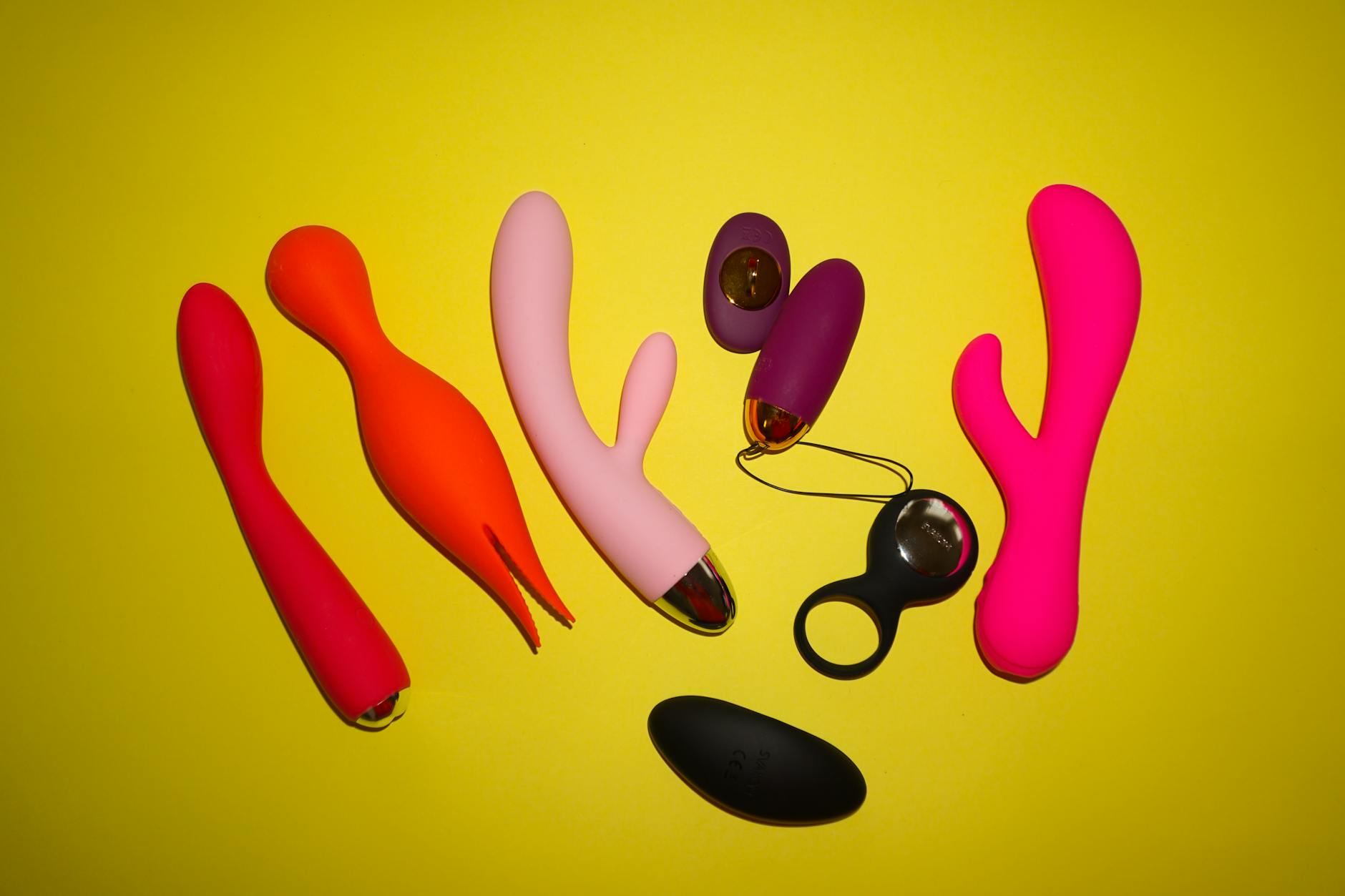
Let's talk about the part nobody mentions
Surgery changes your relationship with your body. Whether it's gynecological, abdominal, or something else entirely, the recovery window feels long and isolating. And somewhere around week three or four, you start wondering: when can I get back to this? The clinical answer is always vague. The real answer depends on what you're recovering from, how your body's healing, and what "getting back to it" actually means for you.
Here's what I've seen work for hundreds of people navigating post-surgical pleasure. It's not about rushing. It's about patience, clear communication with your body, and choosing tools that respect where you actually are in recovery.
The timeline question everyone asks
Your doctor probably said something like "six weeks of no penetration" or "wait until you feel ready." Both are true and both are useless because you want specifics. Here's the real framework:
Weeks 1-3: Hands off. Your incisions are still healing, inflammation is active, and your nervous system is in survival mode. This is not the time to experiment. Rest is the intervention.
Weeks 4-6: Observation only. You can notice sensation returning. Can you lie on your side without sharp pain? Does light touch feel pleasant or raw? Can you move without pulling at the incision site? These are your signals. A lemon clitoral vibrator stays in the drawer.
Weeks 7-10: Gentle exploration. If your surgeon cleared you for activity and the incision feels stable, you can start thinking about this. Start here, not before.
Week 10 onward: Rebuilding. This is where the strategies I'm sharing actually apply.
That said, every surgery is different. Abdominal surgery means different restrictions than gynecological work. Laparoscopic feels different than open. Ask your surgeon specifically: "When can I resume sexual activity? Are there positions or types of stimulation I should avoid for longer?" You deserve a real answer.
Why your sensation feels different
Surgical recovery triggers a protective response in your nervous system. Your body has been through trauma (even minor surgery is localized trauma), and it's prioritizing healing over pleasure. This shows up as:
Numbing or tingling around the incision site. Reduced sensation in places that were sensitive before. A feeling that nothing quite hits the way it used to. Anxiety when you think about touching the area where surgery happened.
None of this means something went wrong. It means your nervous system is doing its job. Sensation typically returns gradually over three to six months. The lemon vibrator isn't about forcing sensation back. It's about gently reminding your nervous system that pleasure is part of healing too.
The physics of post-surgical touch
A lemon clitoral vibrator works through suction and gentle pulsing, not direct friction. This matters after surgery because it means:
Lower pressure on healing tissue. Suction stimulates nerves without mechanical grinding. If you're still tender near the surgical site, this is less likely to aggravate things.
Easier to control intensity. You can start on the gentlest pattern and stay there as long as you need. No ramp-up pressure. Many people find that working at pattern one or two for several weeks feels safer than graduating quickly.
Positioned away from incisions. The lemon vibrator's shape and design let you focus stimulation on the clitoris without putting pressure on areas that might still be sensitive below.
When to start, and how
You're at week eight or nine. Your surgeon cleared you. You're not in acute pain. The incision is visibly healing. Now what.
First: set expectations with your partner if you have one. Say this out loud: "I'm going to try this slowly. I might need to stop. That's not a rejection, that's me listening to my body." This conversation prevents the weird tension that builds when someone's unsure if a pause means pain or loss of interest.
Second: choose a moment when you're relaxed. Post-surgery anxiety lives in your nervous system for months. Cortisol dampens arousal. You need calm. This means not during stressful hours, not when you're tired, not when you're trying to prove something to yourself or your partner.
Third: use water-based lubricant. Not because post-surgical tissue is automatically dry (though it can be), but because lubrication reduces friction and makes the whole experience less intense. It's a kindness to yourself.
Fourth: start on pattern one only. Not "try it and see if you want pattern two." Just one. Spend three to five minutes there. Notice what you notice. Does it feel good? Does it feel neutral? Does it trigger protective tension anywhere? This data matters more than reaching any particular outcome.
The sessions that actually help you rebuild
I recommend a graduated approach over four to six weeks:
Weeks 1-2: Solo, five minutes, pattern one only. You're reintroducing touch to a body that's been in protection mode. Keep it short. The goal is pleasure signal, not orgasm. If orgasm happens, fine. If it doesn't, you still got what you needed: proof that your body can still feel good.
Weeks 3-4: Solo, ten minutes, patterns one and two. Your nervous system is starting to relax. Longer sessions teach your body that this is safe. If you want to use more lube and try slightly longer contact, that's appropriate here.
Weeks 5-6: Solo or partnered, fifteen minutes, full range. By now, sensation should be returning. You can explore what actually feels best. If you're with a partner, this is when you might invite them to participate in ways that don't put pressure on your incision site.
Week 7 onward: Whatever you want. Your body's back online. Continue listening to it, but you're no longer in recovery mode.
This framework doesn't mean you can't deviate. If you're at week four and pattern one still feels like the right speed, stay there for another week. If you're at week three and you already want to experiment with patterns and longer sessions, and your body's telling you yes, that's data too.
What to watch for
Stop and wait longer if you notice:
Sharp pain that doesn't ease within a few seconds. Not muscular soreness, not stretching sensation. Actual pain. That's your body saying the incision isn't ready.
Increased discharge, bleeding, or signs of infection. Any of these means check with your surgeon before continuing.
Severe anxiety or dissociation during or after. Post-surgical trauma can hide in your nervous system. If touch is triggering panic, you might need a few more weeks. That's not weakness. That's self-knowledge.
Numbness that's getting worse, not better, after six weeks. Most numbness resolves gradually. If it's spreading or intensifying, ask your surgeon.
Everything else is normal variation. Soreness around the incision as you move more. Sensation that's slower to return on one side. Arousal that takes longer. These things settle down over time.
Partnered recovery is different
If you're healing with a partner, you have an additional conversation to have that's not really about the lemon vibrator at all. You're asking: "How do we maintain connection while I'm off limits physically?" The vibrator is one answer. But equally important is patience from your partner and permission for yourself to need more time.
Some partners get anxious during post-surgical recovery because they interpret medical restriction as relationship restriction. It's not. You're still the person they love. You're just healing. How to Use a Lemon Vibrator With Your Partner to Build Deeper Pleasure covers this more deeply.
The emotional piece that everyone skips
Post-surgical recovery is not just physical. You've been vulnerable. You've been touched in clinical ways. Your body might feel foreign or unsafe for a while. Reintroducing pleasure is partly about nervous system healing and partly about reclaiming your body as a source of joy, not just a thing that can break.
This is why rushing it backfires. Your body knows the difference between touch that's impatient and touch that's patient. Choose patient. Your healing timeline is not a race. And honestly, the people I've worked with who spent six weeks gently rebuilding sensation with a lemon clitoral vibrator often report that they have a better relationship with their body afterward than they did before surgery. Because they got to meet it again, slowly, and listen.
Frequently asked questions
Can I use my lemon vibrator during the first six weeks if I don't penetrate?
Not if you're in acute pain or if the incision is on or near the area you'd be stimulating. The restriction exists because even gentle activity increases blood flow and can stress healing tissue. Wait. The vibrator will still be there in week eight.
What if I have significant anxiety about using any vibrator after surgery?
That's actually very common and very treatable. Talk to a therapist who specializes in post-surgical recovery or somatic experience. You might need a few sessions before the lemon vibrator even enters the picture, and that's the right approach. Healing trauma takes time.
Does post-surgical sensation loss usually come back completely?
Most people regain full sensation within three to six months. Some areas take longer. A small percentage of people experience persistent numbness, though it's usually minor. The lemon vibrator can actually help your nervous system rewaken sensation because gentle, consistent stimulation teaches your body that the area is safe to feel again.
Is it okay to use a lemon vibrator if I had abdominal surgery but not gynecological surgery?
It depends on how close the incision is to your pelvis and whether you have any restrictions on core engagement. Some abdominal surgeries mean you need to wait longer before anything that might tense your abs. Ask your surgeon. If they clear you, then yes. If they say wait another month, wait.
What's the difference between using a lemon vibrator and other methods during recovery?
The suction design of lemon clitoral vibrators makes them gentler on sensitive tissue than direct-contact vibrators or wand vibrators. Why Lemon Vibrators Feel Different After Hormonal Shifts covers how tissue sensitivity works. Post-surgical tissue has similar needs: low pressure, high control, ability to adjust instantly.
Can I return to penetrative sex at the same time I start using a lemon vibrator?
No. Your doctor's six-week or eight-week restriction exists for a reason. A lemon clitoral vibrator is external stimulation. It's much lower risk. You can use it weeks before penetration is appropriate. Don't conflate the two timelines.
Should I tell my partner I'm using a lemon vibrator during recovery?
Yes. Honesty about what your body needs removes weird tension. "I'm trying to rebuild sensation safely" is a kind thing to say. It also invites your partner into the healing process if they want to be there, rather than making it feel secret.
The real recovery is about permission
Post-surgical recovery teaches you something important: your body's timeline matters more than anyone else's expectations. Your surgeon has a recommendation. Your partner might have hopes. Society probably has assumptions. But your body's actual healing speaks louder than all of it. A lemon vibrator is a tool for listening to that voice. Use it when the time is right, not before. Your pleasure will still be waiting for you.