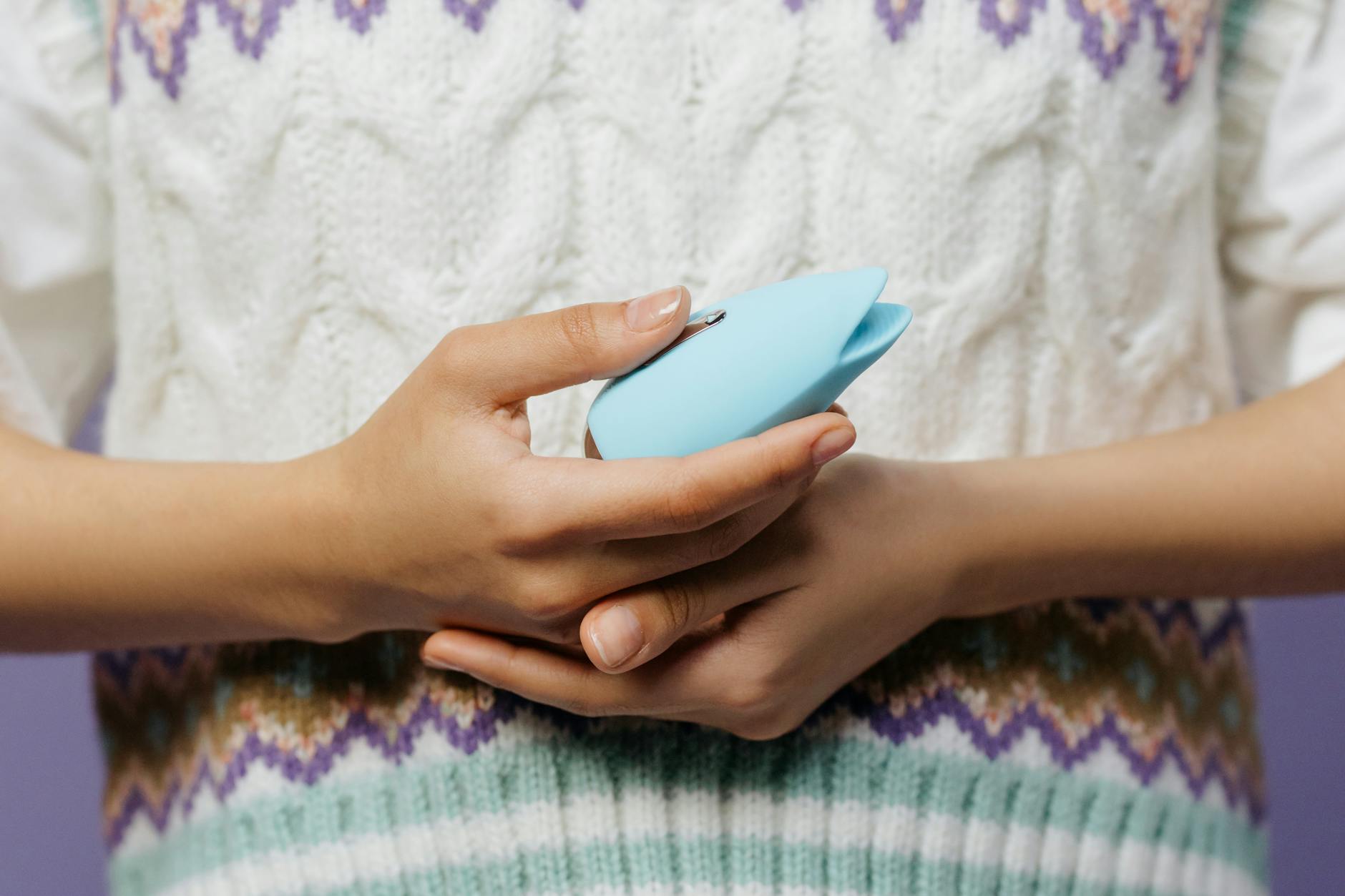
Let's start with what touch sensitivity actually is
Touch sensitivity isn't a flaw. It's your nervous system working overtime. Whether it shows up as mild discomfort with direct contact, pain when skin feels touched unexpectedly, or a general sense that stimulation feels too raw or intense, it's real. And it's surprisingly common.
What matters: touch sensitivity doesn't mean you can't experience pleasure. It means you need tools that work with your nervous system instead of against it.
How touch sensitivity changes what you need
Here's the thing about direct finger stimulation when you have touch sensitivity. The contact is point-focused, unmodulated, and constant. For people with reactive skin or a sensitive nervous system, this can create the opposite of pleasure. It can feel like scratching an itch that gets worse the more you touch it.
A lemon clitoral vibrator works differently. The lemon sucker technology uses gentle air-pulse stimulation rather than direct friction or vibration. You're not rubbing or pressing against sensitive tissue. You're creating a sensation that's diffuse, rhythmic, and you control completely. This changes everything.
The Lem, for instance, works through gentle suction patterns that stimulate the broader clitoral network without requiring direct contact. For people with touch sensitivity, this is often the difference between pain and genuine pleasure.
Why air-pulse beats traditional vibration for sensitive skin
Traditional vibrators rely on rapid movement against the skin. This works beautifully for many people. For those with touch sensitivity, it can feel overwhelming, raw, or even painful.
Air-pulse technology (which is what a lemon sucker does) creates a different sensation entirely. Instead of direct friction, you get rhythmic waves of gentle pressure. The contact is broader and less pointed. The stimulation is also gentler to regulate because you can adjust intensity without losing the sensation completely.
Many people with touch sensitivity report that air-pulse lemon vibrators are the first tools that actually feel good rather than just tolerable.
Starting slow when your skin is reactive
If you have touch sensitivity, the most common mistake is jumping to medium or high intensity immediately. Your nervous system is already on alert. Adding intensity too fast can shut the whole experience down.
Instead, start at pattern one on the Lem (the gentlest setting) and stay there for two to three sessions. Yes, multiple sessions. Your body needs to learn that this sensation is safe. After a week or two at the lowest setting, try pattern two. Move up only when the current level feels pleasurable, not just tolerable.
This isn't slow. It's smart. You're rewiring how your nervous system responds to pleasure.
The role of lubrication and barriers
Here's something that helps: even with air-pulse stimulation, a thin layer of lubrication can make a massive difference for touch-sensitive skin. Water-based lube isn't about making things slide more. It's about creating a slight buffer between your skin and the device.
Some people with touch sensitivity also benefit from using the lemon vibrator over a thin barrier. A small piece of soft fabric, medical-grade silicone, or even cotton underwear can reduce the sensation to a level that feels good rather than aggressive. This isn't cheating. It's harm reduction for your nervous system.
Experiment. Some people with touch sensitivity do better with no barrier. Others need it. Both are completely valid.
Breathing and nervous system reset
Touch sensitivity is often tangled up with tension and a nervous system in overdrive. Here's what actually helps: slow breathing before and during use.
Two minutes of deep breathing before you start isn't spiritual nonsense. It's neurology. Slow breathing activates your parasympathetic nervous system (the "rest and digest" mode). When you're in parasympathetic mode, your body is more capable of experiencing pleasure instead of just reacting to stimulation.
During use, keep breathing steady. If you notice yourself holding your breath or tensing up, pause. Come back when you can breathe fully.
Mental load and distraction management
Many people with touch sensitivity also have a louder mental commentary during sex. The same nervous system that's reactive to touch is often reactive to thoughts. You might be noticing every sensation, every slight discomfort, every moment something feels weird.
One tactic: give your brain something specific to pay attention to. Instead of monitoring how things feel, focus on the rhythm. Count the pulses. Notice the pattern. This isn't distraction from pleasure. It's engagement with it in a different way.
Alternatively, some people need silence and darkness. No phone, no TV, no background noise. Create whatever environment lets your nervous system settle enough to feel pleasure.
When to involve a partner (and how)
If you have a partner and you have touch sensitivity, communication changes slightly. Standard dirty talk might include phrases like "more intensity" or "harder." For you, it might be "stay at this rhythm" or "don't change the pattern."
Your partner holding the lemon clitoral vibrator can also help. They get to control speed and positioning, which sometimes feels less triggering than self-touch. But only if your partner understands that this isn't about performance. It's about creating a sensation your nervous system can receive.
If your partner has never used a lemon sucker before, show them how it works first. Let them feel it on their arm so they understand the sensation they're creating.
When sensitivity is tied to trauma or anxiety
If your touch sensitivity is connected to past trauma or anxiety, a lemon clitoral vibrator is still useful. But you might benefit from moving slowly and possibly working with a therapist alongside it.
The Lem or other lemon vibrators are tools, not healers. They can create a safe entry point to pleasure. But if your nervous system needs deeper rewiring, that's worth doing with professional support.
What to expect as you adapt
After a few weeks of regular use at lower intensities, many people notice their touch sensitivity starts to soften. Not disappear. Soften. The nervous system learns that stimulation can be safe and pleasurable rather than threatening.
Some people eventually move to higher intensities. Others stay at lower settings forever. Both mean you've found your rhythm. The goal isn't maximum intensity. It's genuine pleasure at a level your body can receive.
FAQ
Can I use a lemon vibrator if my skin feels painful when touched?
Yes, and it's often the best option. Air-pulse lemon clitoral vibrators create sensation without direct friction. Start at the lowest setting and use lubrication or a thin barrier if needed. If the pain is severe or persistent, check with your doctor first to rule out medical causes.
How long does it take for touch sensitivity to improve with a lemon vibrator?
Most people notice a shift within two to four weeks of regular use at comfortable intensities. Nervous systems rewire slowly. Patience is not weakness. It's the actual timeline for adaptation.
Should I use a lemon sucker if I have fibromyalgia or other pain conditions?
Maybe. Many people with fibromyalgia find air-pulse lemon clitoral vibrators more tolerable than traditional vibrators. Start at the absolute lowest setting. If it feels good rather than painful, keep going. If it amplifies pain, stop. Your body will tell you.
What if the Lem still feels too intense even at the lowest setting?
Try using it over clothing or a thin fabric layer. Use more lubrication. Try shorter sessions (five minutes instead of fifteen). Some people also benefit from pressing it against their skin without turning it on first, just to get their nervous system used to the sensation.
Can I use a lemon clitoral vibrator alongside therapy for trauma?
Yes. In fact, many therapists recommend it as part of reclaiming body autonomy and pleasure. Tell your therapist you're using it so they can support the process. There's no shame in using a tool to help rewire your relationship with touch.
Is touch sensitivity permanent?
Not always. For some people it's a temporary response to stress, medication, or a specific life transition. For others it's ongoing. Either way, a lemon vibrator can help you access pleasure right now, regardless of whether the sensitivity shifts later.