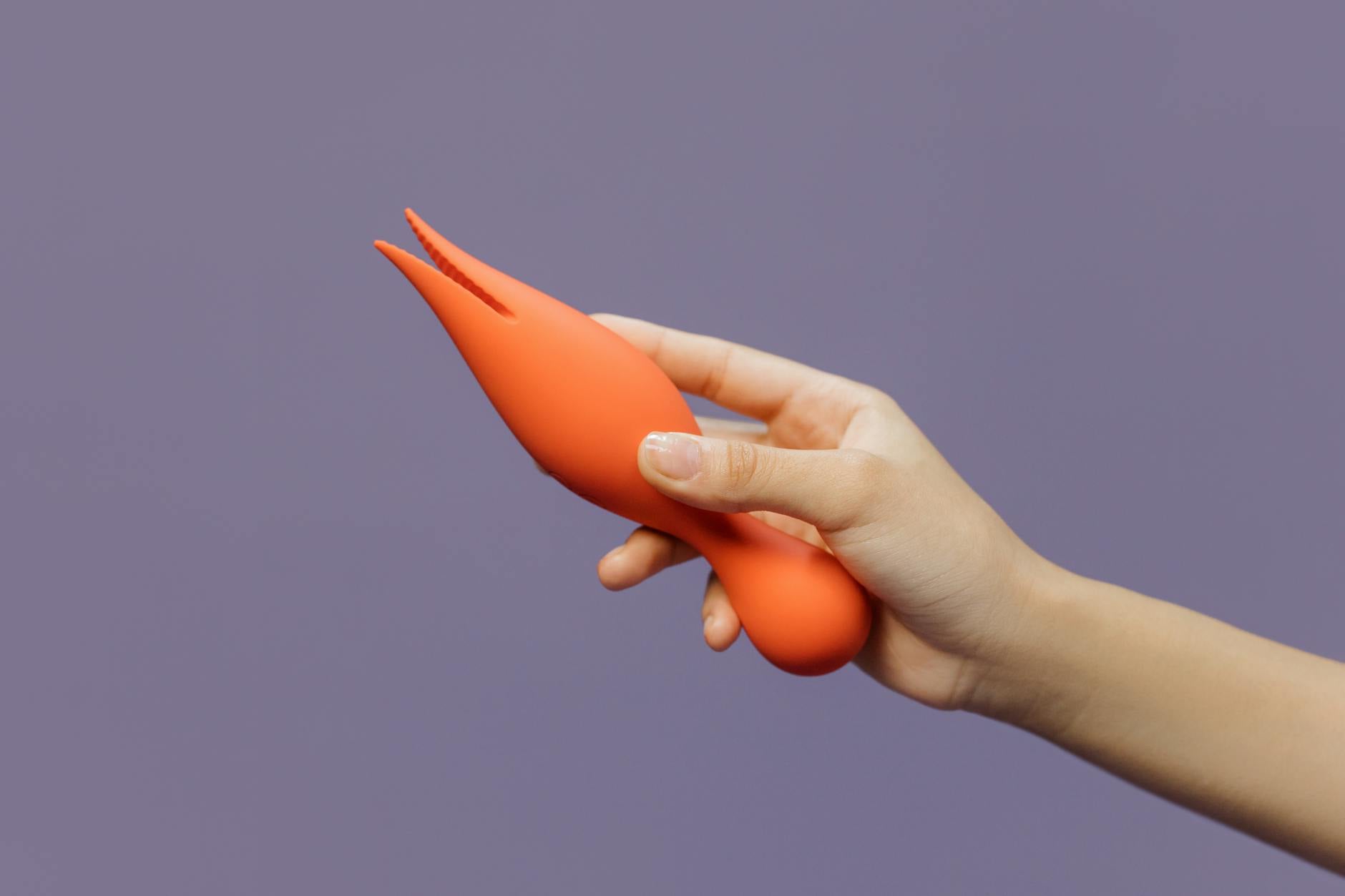
Let's name the thing nobody talks about
You want clitoral stimulation. Your partner wants penetration. Both of you want the encounter to feel good. And somehow, this simple mismatch has turned into tension that neither of you knew how to fix without one person losing out.
Here's what I've learned working with couples for decades: this isn't a compatibility problem. It's an information problem. Most people assume penetration and clitoral pleasure are either/or. They're not. And a lemon vibrator changes that equation completely.
Why the penetration-clitoral split happens (and why it matters)
Biology is part of it. About 75 percent of people with vulvas need clitoral stimulation to orgasm. Penetration alone rarely gets there. Meanwhile, many partners (of any gender) are wired to associate sex with penetration, so when clitoral focus takes center stage, it can feel like a redirect or a rejection. It's neither.
But here's the tension that actually breaks couples: when you prioritize clitoral pleasure, your partner can feel sidelined. When you give in and lean into what they want, you're left frustrated or numb. The lemon clitoral vibrator solves this because it lets both of you have what you need simultaneously.
How to introduce it without it feeling like a problem-solving device
Timing matters more than you'd think. Don't bring it up mid-sex when things aren't working. Bring it up outside the bedroom, when you're both relaxed.
Try: "I've been thinking about how we could both feel more satisfied. I want to try using a lemon vibrator during sex. Not instead of you, but alongside. What would that feel like for you?"
The language here is crucial. You're not saying "I need this because you're not enough." You're saying "I want us both to have what we actually need."
Many partners worry that a vibrator means they're being replaced. Reassure them directly: you're not. You're designing a scenario where both of you finish feeling connected and satisfied.
The practical setup that works
If your partner is inside you or you're engaging in penetrative play together, you can use a lemon vibrator on the clitoris at the same time. The external positioning means there's zero interference. Your partner doesn't have to change what they're doing.
Start slow. Use the lower patterns on your vibrator (patterns 1-3 if you're using a Lem). Many partners feel more relaxed when the vibration is subtle, not aggressive. It's less "competing" and more "complementary."
If penetrative play isn't on the table tonight, a lemon vibrator becomes the focus of foreplay. You use it on yourself while your partner is inside you or engaging with you in other ways. This keeps physical connection and intimacy alive while honoring what actually gets you to orgasm.
Reframing what intimacy actually is
Here's the hard truth: if your partner thinks intimacy means you sacrificing your pleasure to fit into their preferred script, that's not a vibrator problem. That's a conversation problem.
Intimacy is knowing each other's actual bodies and needs, not performing a script you learned from movies. When your partner watches you use a lemon vibrator and recognizes that's what gets you there, that's real intimacy. That's trust.
Some partners even discover they like it. There's something psychologically hot about watching your partner experience genuine pleasure. And there's something connective about collaborating on a scenario where both people win.
The common worries (and what's actually true)
"Will I feel numb if we use a vibrator?" No. The opposite is true. The clitoris has about 8,000 nerve endings. A lemon vibrator doesn't desensitize it. It helps you access pleasure more easily. If anything, your sensitivity improves over time as you learn your own body better.
"Will my partner feel rejected?" Not if you frame it as additive, not subtractive. You're not choosing the vibrator over them. You're creating more pleasure for both of you. Many partners find that when their significant other actually reaches orgasm, the intimacy deepens.
"Is this cheating on my relationship?" No. A vibrator isn't a third party. It's a tool you're using together. If your relationship is strong enough to have penetrative sex, it's strong enough to have this conversation.
"What if they say no?" Then you have a bigger conversation about whether your partner is willing to work toward both of your pleasure. That's a separate issue from the vibrator itself.
How to use it so it feels natural, not clinical
Integrate it into your rhythm. Don't treat it like a medical device. It's part of foreplay, part of the experience, not a workaround.
Many couples find that manual stimulation first works best. Your partner touches you (or you touch yourself) until you're aroused, then you bring in the lemon vibrator to intensify things. This feels less sudden and keeps the focus on connection.
If you're using lemon sexual toys during partnered sex, communicate in the moment. "That feels good" or "a bit lower" or "keep doing that." Your partner wants to know what works. Let them.
The emotional work that has to happen first
Before you even buy a lemon clitoral vibrator, both of you need to agree on one thing: your orgasm matters as much as theirs. Not more, not less. Equal.
If your partner has a "real sex" definition that doesn't include you experiencing genuine pleasure, no tool will fix that. What will help is a conversation where you say: "I deserve to feel good. You deserve to feel good. Let's figure out how to make that happen together."
This is where many couples actually strengthen their relationship. Instead of suffering through misaligned sex, you're problem-solving as a team. You're saying: we both matter here.
Once that's settled, introducing a lemon vibrator becomes practical, not defensive.
FAQ: The questions couples actually ask
How do I tell my partner I want to use a vibrator without hurting their feelings?
Be direct and kind. "I love having sex with you. I also know my body needs clitoral stimulation to orgasm, and I want us to figure out a way to make that happen without one of us feeling left out. I'm thinking about trying a lemon vibrator together. Would you be open to that?" Frame it as collaboration, not complaint.
What if my partner thinks it means I'm not attracted to them?
Attraction and orgasm capability are different systems. You can be wildly attracted to someone and still need specific types of stimulation. Explain it like this: "I'm attracted to you. My body also has preferences about how it reaches orgasm. These aren't in conflict." If they stay stuck on this, consider couples counseling. It usually indicates deeper insecurity.
Can I use a lemon vibrator while my partner is inside me?
Absolutely. The clitoris is external, and the vibrator is external, so there's zero mechanical conflict with penetration. Many couples find this is the easiest integration because your partner doesn't have to change anything about what they're doing.
What if I prefer the vibrator to penetration?
That's normal. Your preference is valid. But "I prefer clitoral stimulation" is different from "I don't want penetration ever." Most people find a mix works best. You might like 15 minutes of foreplay with a lemon clitoral vibrator, followed by penetration, followed by more vibrator use. Or you might discover you only want vibrator-based sex some nights. Talk about it.
How long does it take for my partner to feel comfortable with a lemon vibrator?
Varies. Some partners are immediately on board. Some take months. The ones who stay resistant usually have underlying insecurity or a rigid idea of what "real sex" looks like. If that's your situation, that's worth exploring separately from the vibrator itself.
Does using a lemon vibrator change the feeling of penetration?
Not really. You're stimulating different nerve clusters. The addition of clitoral pleasure while experiencing penetration feels like... more pleasure. Most people prefer it.
The conversation starter you can use tonight
Honestly though: start small. You don't need a grand conversation. You can say "I've been thinking about us" and leave it at that. Let them ask what you mean. Then tell them you want to try something that helps you feel more satisfied without changing what you love about your sex life.
If they're a good partner, they'll want that for you. And if they're resistant, you'll learn something important about whether this relationship is built on mutual care or accommodation.
Your pleasure matters. Saying that out loud, to your partner and to yourself, is the first step. The lemon vibrator is just the tool that makes both of you believe it.