Here's the thing about post-surgical sensation loss
Surgery changes everything down there, even when it's nowhere near your vulva. Abdominal procedures, gynecological surgery, cancer treatment, even vascular interventions can affect the nerves feeding your clitoris. Reduced sensation after surgery is so common that most surgeons don't mention it. You're left thinking something's permanently broken when actually, your nerves are just healing.
That numbness or dullness isn't permanent. It's temporary nerve recovery, and there's a measurable window where using the right stimulation tool genuinely speeds up the process.
Why surgery disrupts clitoral sensation in the first place
Your clitoris has more than 8,000 nerve endings concentrated in one tiny space. Surgery causes inflammation, scar tissue formation, and temporary nerve compression. Even if the surgeon never touched your vulva directly, anesthesia, position during surgery, and inflammation in surrounding tissues can all reduce sensation temporarily.
The good news: nerves regrow. The timeline varies wildly. Some people recover full sensation within weeks. Others take six to nine months. That variability is completely normal, and where you fall on that spectrum depends on surgery type, your age, surgical technique, and how well you manage blood flow and nerve stimulation during recovery.
Most people see noticeable improvement within three months of regular, gentle stimulation. That's not coincidence. It's neuroscience.
Why a lemon clitoral vibrator works better than other toys during this phase
Here's where the lemon vibrator's design actually matters. Traditional vibrators use rapid oscillation. If your clitoris is already numb, oscillation either feels like a buzzing blur or doesn't register at all. You end up pressing harder, which is the opposite of what healing tissue needs.
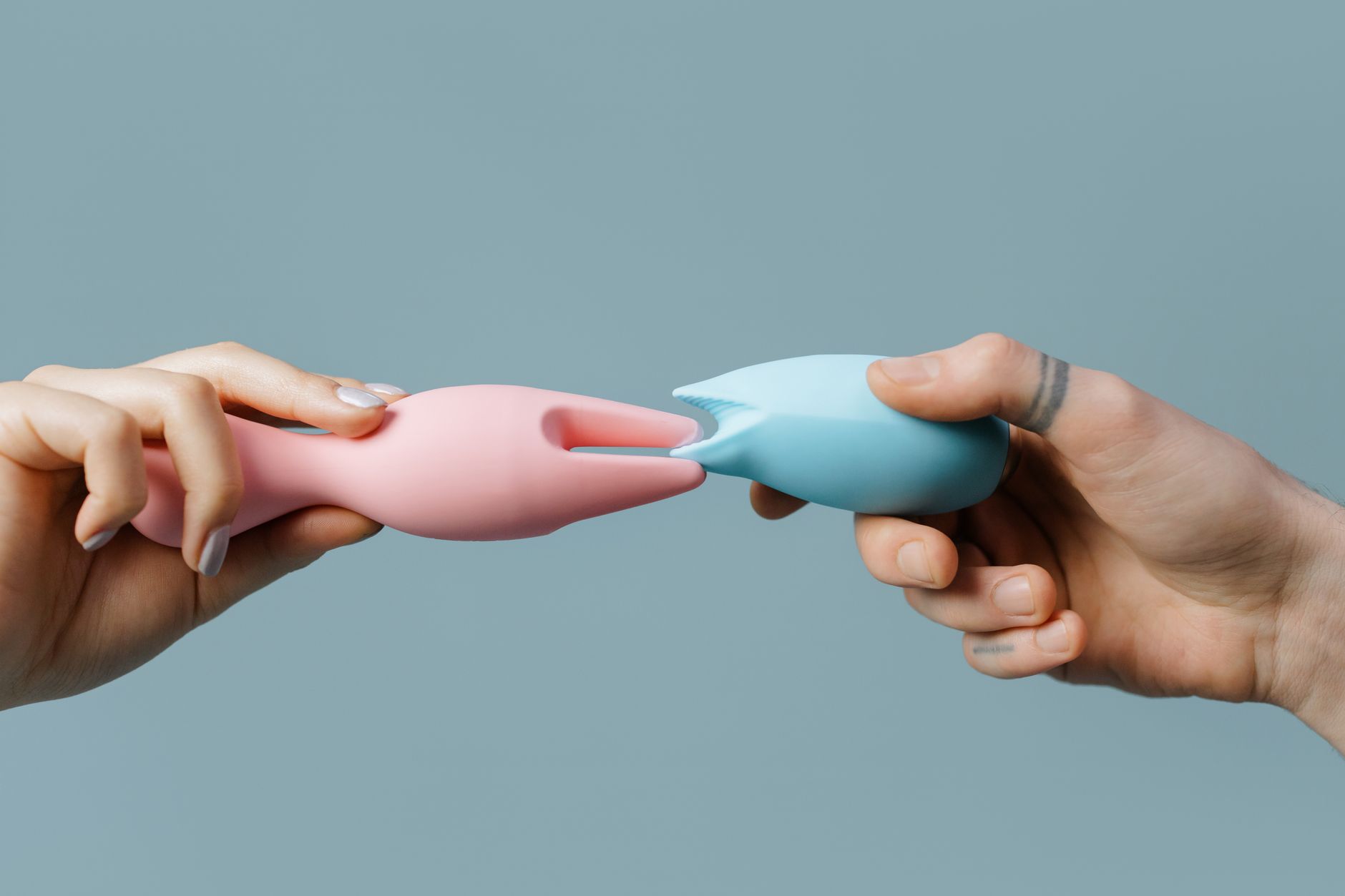
A lemon sucker works differently. Air-suction technology (also called gentle suction or pulse suction) creates a rhythmic squeeze and release rather than shaking. That gentle suction:
- Increases blood flow without aggressive friction
- Stimulates nerve endings through pressure rather than vibration alone
- Feels distinct even when traditional vibration is muted
- Reduces the urge to "chase" sensation by pressing harder
That last point matters more than it sounds. When sensation is dulled, most people unconsciously increase pressure to feel something. That can actually delay nerve recovery by creating micro-inflammation. A lemon clitoral vibrator keeps you from accidentally doing that.
Starting with your lemon vibrator after surgery
Wait until you're cleared for sexual activity by your surgeon. That timing varies, but most surgeons give the all-clear between two and six weeks post-op. Until then, don't use any vibrator. Once cleared, introduce it slowly.
Start at pattern 1 or 2 on your lemon vibrator. Not because you're weak or broken, but because your nervous system is processing healing. Your clitoris is literally rewiring itself, and gentle input speeds that rewiring. Aggressive stimulation just creates noise in the signal.
Using a water-based lubricant is nonnegotiable at this stage. Post-surgical tissue is often slightly inflamed or thinner than usual. Lubrication removes friction without adding any risk to your healing.
Budget 15 to 20 minutes, minimum. If sensation is muted, your body needs longer to build arousal. That's not unusual. You're teaching your nervous system that this stimulation is safe and pleasurable. That teaching takes time.
Building sensation back over weeks and months
Week one to two: Patterns 1-2, five to ten minutes, three times per week maximum. You're not trying to orgasm. You're introducing input and observing what you feel.
Week three to four: Patterns 2-3, ten to fifteen minutes, every other day if it feels good. At this stage, you might start noticing tiny shifts. A slight tingle. A faint pulse. Those micro-sensations are your nerves waking up. Don't expect the pleasure you felt before surgery. Expect progress.
Month two onward: Gradually increase intensity and duration as sensation returns. This is where patience genuinely changes the outcome. People who jump to high intensity too fast often plateau. People who stick with gradual increases see consistent improvement.
If you have a partner, this is a good time to let them know what you're doing and why. It's not a performance issue. It's nerve recovery. That distinction changes the whole emotional tenor.
What normal looks like and what's a red flag
Normal post-surgical clitoral recovery:
Dullness that gradually sharpens over weeks. Occasional days where sensation seems to backslide. Increased sensation right after your period (hormones affect nerve sensitivity). Mild discomfort early on that fades as inflammation decreases.
Red flags requiring your doctor's input:
Sharp, burning pain that doesn't improve. Increasing numbness instead of gradual improvement. Swelling or visible changes to your vulva. Sensation that improves then suddenly disappears again. Discharge or signs of infection.
If you're hitting month four or five and sensation hasn't improved at all, mention it to your surgeon. Sometimes post-surgical scar tissue needs professional attention, but that's rare and worth knowing early.
The emotional part nobody talks about
Physically, your clitoris is healing. Emotionally, you might be grieving. You're not the same, and that's worth acknowledging. Some people feel disconnected from their body after surgery. Others feel anxious about whether pleasure will ever return. Both are real, and both matter.
Using a lemon vibrator can feel vulnerable at first if you're already processing surgical trauma. That's normal. Start solo, with no pressure to achieve anything. You're not trying to have an orgasm. You're reintroducing pleasure on your body's timeline.
If you have a partner, that conversation is separate from the recovery process. You can say, "I need time to rebuild sensation and reconnect with my body. I'm not sure what that looks like yet, but I want you to know what I'm doing and why." That openness prevents your partner from personalizing your reduced sensation as rejection.
When to gradually reintroduce partnered pleasure
There's no single timeline. Some people feel ready after six weeks. Others need three months. The metric isn't how much sensation has returned. It's how much you feel ready.
When you do reintroduce partnered touch, communication is everything. Tell your partner what patterns of stimulation feel good and what doesn't. If something used to feel amazing but now feels uncomfortable, that's information, not failure. Your body is healing, and healing bodies sometimes have surprising preferences.
You might find that partnered pleasure comes back faster than solo pleasure, or vice versa. Both trajectories are completely normal. One isn't better than the other.
Practical tips for consistency
Keep your lemon clitoral vibrator somewhere accessible. If it's hidden in a drawer and you're exhausted, you won't use it. Put it on your nightstand or bathroom counter. Normal objects normalize the practice.
Set a loose schedule. Not rigid ("every Tuesday at 8 p.m."), but directional ("three times this week"). That removes decision fatigue and builds the habit of regular, gentle stimulation.
If sensation improvement plateaus, you don't have to increase intensity. Sometimes changing patterns or timing works better. Try using your lemon vibrator right after a warm bath, when tissues are flushed with blood. Or earlier in the day when you're less fatigued.
If you're not seeing progress after three months, check in with your surgeon. Post-surgical nerve recovery usually follows a predictable curve. If yours doesn't, that's worth investigating.
The data twist most people don't know
Studies on post-surgical sensation recovery show that consistent, gentle stimulation cuts the recovery timeline by weeks to months compared to no stimulation at all. Your nervous system needs input to reorganize itself. Using a lemon sucker or other gentle vibrator after surgery isn't just pleasure. It's actively accelerating your body's healing process.
That's not metaphorical. That's neuroscience. Your clitoris is rewiring itself, and the right stimulation shapes that rewiring.
FAQ: Post-surgical clitoral recovery and lemon vibrators
How long after surgery should I wait before using any vibrator?
Wait until your surgeon clears you for sexual activity, which typically happens two to six weeks post-op depending on procedure type. Even then, start with your lemon vibrator on the lowest setting and go slowly. If you experience pain or unusual discharge, stop and contact your surgeon. Your recovery timeline is unique to your surgery and body.
Can using a lemon vibrator too early slow down nerve recovery?
Yes, potentially. Aggressive stimulation on freshly healing tissue can create micro-inflammation, which delays nerve regeneration. That's why starting at patterns 1-2 and building gradually is crucial. Gentle, consistent stimulation speeds recovery. Intense stimulation too early can stall it. Think of it like physical therapy for your clitoris: low resistance, frequent repetition, gradual progression.
What if I can't feel my lemon vibrator at all at first?
That's common and not permanent. Numbness often peaks right after surgery and gradually improves. If you feel absolutely nothing after two weeks, mention it to your surgeon. In the meantime, use your lemon clitoral vibrator anyway at low intensity. You don't have to feel it intensely for nerve stimulation to be working. Your nervous system registers input even when your conscious awareness is muted.
Is it normal for clitoral sensation to come back unevenly?
Completely normal. You might regain sensation in some parts of your clitoris before others. One side might feel different than the other. Some nerves might take longer to rewire than others. That unevenness usually smooths out over months. If it persists or feels painful, mention it at your follow-up appointment. Most of the time, it's just variable healing.
Can I use my lemon vibrator if I'm still experiencing surgical pain?
No. If you still have significant surgical pain, your tissues aren't ready. Wait until your post-operative pain is minimal or resolved. Using vibrators on acutely painful tissue can create inflammation and actually delay overall healing. Once your surgeon confirms your pain is manageable and you're cleared for sexual activity, that's when to introduce your lemon sucker. If pain returns after you start using it, stop and contact your doctor.
Does clitoral sensation always fully return after surgery?
In most cases, yes. Full sensation typically returns within three to nine months with consistent, gentle stimulation. Some people recover within weeks. Others take longer. A small percentage experience permanent partial numbness, especially after extensive gynecological surgery. If you're at the six-month mark and sensation hasn't substantially improved, talk to your surgeon about whether any scar tissue needs attention. For most people, patience and consistency bring full recovery.
The bottom line
Your clitoris is tougher than you think. Surgery disrupts sensation temporarily, not permanently. A lemon clitoral vibrator, used gently and consistently, can actually accelerate your recovery while keeping you engaged with your body during a vulnerable time. Start low, go slow, and trust that your nervous system knows how to heal. Recovery takes time, but it happens.
Ready to move forward at your own pace? Reach out if you need guidance on how to rebuild intimacy after any major life transition.