Let's start with the thing nobody talks about
Your body doesn't want sex when your nervous system is running a threat detection program. This isn't a character flaw. This isn't low libido. This is your brain doing exactly what it's supposed to do when safety is in question.
Here's what I see constantly in my practice: couples where one partner's desire completely tanks because the emotional infrastructure cracked. Unresolved conflict. Unmet needs. A partner who checked out emotionally months ago. Or sometimes it's simpler and stranger. Your partner hasn't done anything wrong, but you realize you don't actually trust them with your vulnerability anymore.
The result feels the same: desire that's conditional, flaky, or completely vanished. And here's the tricky part. Sex doesn't fix the broken trust. But understanding how your nervous system works around desire does.
Why emotional safety is literally biological
Your clitoris doesn't care about your relationship status. But your brain does. Arousal requires something called parasympathetic activation. That's your "rest and digest" nervous system. For arousal to happen, your threat-detection system (the sympathetic nervous system) has to downshift enough to let pleasure through.
When you don't feel emotionally safe with a partner, or you don't feel emotionally safe with yourself around pleasure, your threat system stays loud. Your nervous system is protecting you. Literally protecting you. And that means arousal doesn't have room to exist.
This is why solo pleasure, when approached intentionally, becomes so powerful during these periods. You control the conditions. You set the safety perimeter. And your nervous system can finally relax enough to feel something.
The role of a clitoral vibrator when safety is missing
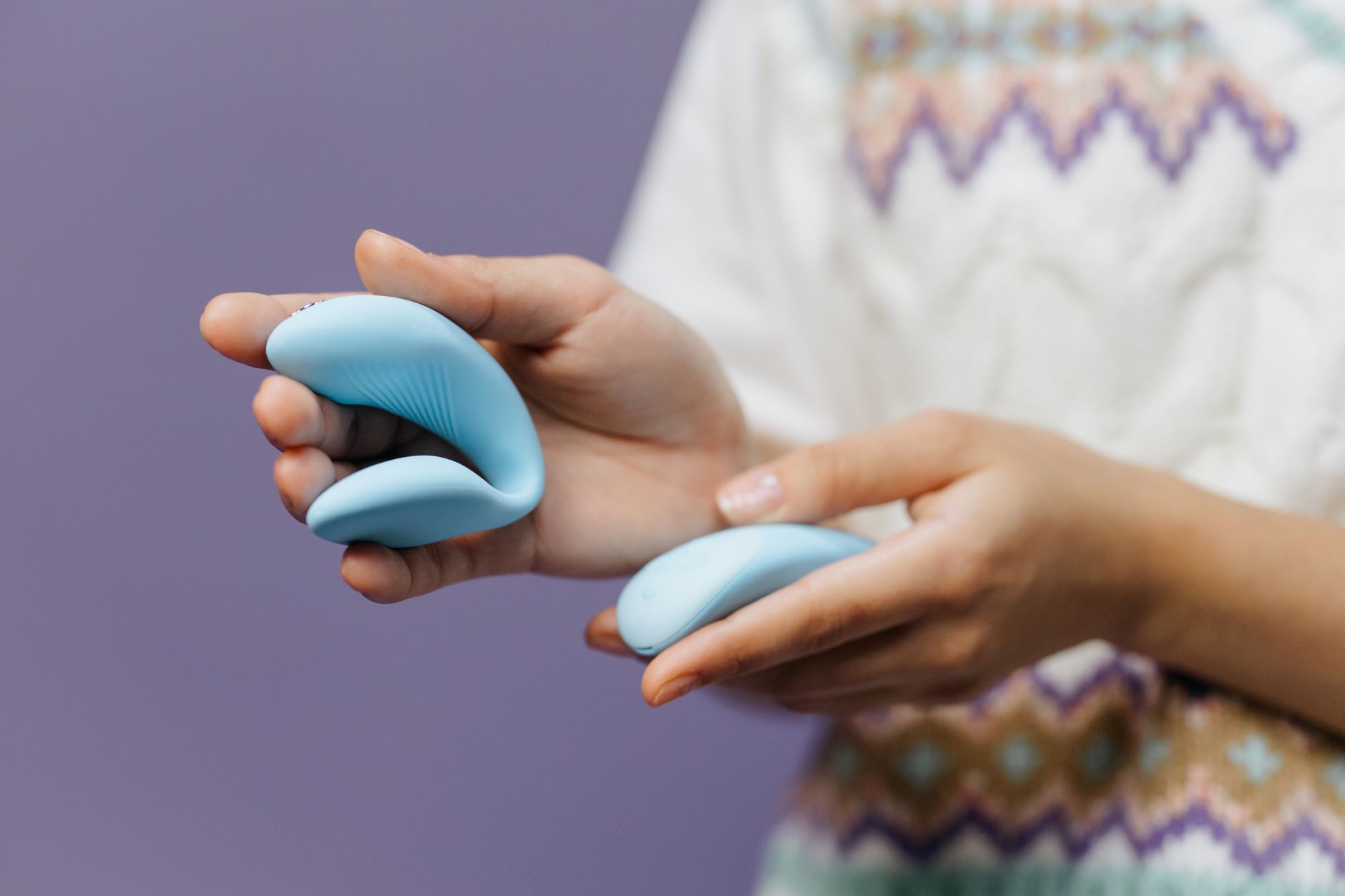
A lemon vibrator works differently than a partner does. It has no emotional agenda. It won't withdraw attention midway through. It won't make you feel watched or judged. It won't trigger memories of rejection or conflict.
What it does do is create a very specific kind of input. The suction and pulsing patterns of a lemon clitoral vibrator stimulate nerves directly without requiring the vulnerability that partnered sex demands. That matters.
For people rebuilding desire after an emotional break, this becomes a reconditioning tool. You're teaching your body that pleasure is possible without threat. That your clitoris can wake up. That arousal lives in you, separate from your relationship status.
This is not "cheating." This is not "giving up on your partnership." This is self-protection and self-reclamation.
Starting from zero again: the practical framework
If desire has been dormant for months or years, restarting solo pleasure takes intention.
Step one: Build the safety container. Time alone, locked door, phone off. Not because you're hiding something. Because your nervous system needs zero external threats while it wakes up. Fifteen to twenty minutes. That's the floor.
Step two: Start with sensation, not arousal. Use the Lem vibrator on the lowest setting just to feel texture and gentle vibration against your outer labia. No pressure to get aroused. No goal state. Just sensation. This can take several sessions before anything shifts. That's normal and important.
Step three: Notice what your body actually wants. You've probably spent so long managing your partner's pleasure or responding to their rhythm that you've forgotten what your own body asks for. Does stimulation feel better on one side? Do you want slower or faster? Do you prefer sustained pressure or rhythmic pulses? Let your preferences emerge without judgment.
Step four: Stop at arousal's first whisper. When you feel even the tiniest flutter of interest, pause. Let it integrate. The goal is not orgasm. The goal is reconnecting the signal from your body. Orgasm will follow naturally if you let the earlier steps work.
When rebuilding desire inside a relationship
If you're married or partnered and you're using solo pleasure to rebuild your connection to arousal, communication becomes essential.
Tell your partner: "I'm working on myself. Not because you've done something wrong. Because I realized I've disconnected from my own pleasure, and I need to rebuild that separately before we can rebuild it together." That distinction matters.
Then actually do the work. Use a lemon clitoral vibrator alone. Spend time understanding what your body wants when no one is watching. Bring that information back to your partnership later. Not immediately. Let yourself have weeks or months of solo reconnection first.
This is not a quick fix. It's a redevelopment of trust with yourself.
What happens when emotional safety is the real issue with your partner
Listen. Sometimes you're using a vibrator because you don't feel safe with your partner. And sometimes that's a sign that something needs to shift in the relationship itself.
Emotional safety in sex requires: your partner can handle rejection without withdrawing. Your partner doesn't pressure you into anything. Your partner can talk about sex without shame. Your partner respects your body's signals, even when they don't understand them.
If those things aren't happening, a lemon vibrator isn't going to solve it. What you need is a conversation or possibly a couples therapist.
But if you're in a fundamentally safe relationship and desire has just become conditional because of unresolved tension, then solo practice with a vibrator can be part of your healing. You're re-establishing your sexual agency. You're proving to yourself that you can experience pleasure outside of trying to manage your partner's needs or feelings.
The bridge back to partnered pleasure
Once you've spent time alone with a lemon vibrator and you've begun to feel your own desire again, the bridge back to your partner looks like this:
Show them what you learned. Not as instruction or criticism. As gift. "I found out I like this speed better." "This pattern actually makes me feel something." Let them watch. Let them participate without taking over. The key is you staying in charge of your own pleasure while they're present.
This does something remarkable. It reorganizes the dynamic. Instead of sex being something your partner does to you or for you, it becomes something you do together. Your partner is supporting your pleasure, not directing it. That distinction rewires everything.
When to go deeper with professional support
If you're working with a lemon vibrator and you're still feeling completely shut down after a few months of consistent solo practice, talk to a sex therapist or a trauma-informed therapist. Not because something is wrong with you. Because sometimes the safety issue is deeper than what you can resolve alone.
Sometimes desire gets tangled with past trauma, past rejection, or past violations. A vibrator helps. But so does professional support.
FAQ: Desire, safety, and lemon vibrators
What's the difference between low desire caused by emotional safety issues versus other kinds of low desire?
Emotional safety issues feel specifically tied to presence or vulnerability. You might feel desire when alone or with a vibrator, but it disappears around your partner. With other types of low desire, the shutdown is more global. Hormone fluctuations, medications, or depression usually affect all contexts. If your desire appears selectively, emotional safety is likely part of the picture.
How long does it usually take to rebuild desire after an emotional break?
There's no timeline. Some people feel shifts in two to three months of consistent solo practice. Others need six months or longer. The variable is how much unresolved tension is still sitting in your partnership. If you're also working on the relationship dynamics, give yourself permission to move slowly.
Can I use a lemon clitoral vibrator if I'm not sure I want to be with my partner anymore?
Yes. Using a vibrator to reconnect with your own desire helps you make clearer decisions about your partnership. You're not using it to decide to stay. You're using it to understand yourself better, which actually clarifies what you need from a relationship.
Is using a lemon vibrator while partnered considered cheating?
Not in any reasonable definition. Solo pleasure with a tool is self-care. It's not deceptive unless you're hiding it because your partner explicitly said they had a problem with it and you hid it anyway. If you haven't told your partner yet, that conversation is worth having. Most of the secrecy comes from shame, not from actual betrayal.
What if my partner feels threatened by my using a vibrator?
That's their work to do, not yours. A secure partner understands that your solo pleasure has nothing to do with their adequacy. If your partner is threatened, that's often a sign they have their own insecurities about performance or worth. You can support them through that. But you don't have to stop taking care of your own pleasure to manage their discomfort.
How do I know if using a lemon vibrator means I'm avoiding the real work with my partner?
If you're using it as a substitute for addressing actual relationship problems, yes, that's avoidance. But if you're using it as part of building your own capacity for pleasure while also working on the relationship, that's actually aligned. The two things can happen at the same time. Your solo practice doesn't replace couple's work. It supports it.
The larger truth
Desire isn't a fixed thing you either have or don't have. It's a capacity that gets smaller or larger based on how safe you feel. A lemon clitoral vibrator gives you a way to practice feeling safe in your own body again. To remember that pleasure is possible. To rebuild trust with yourself before you ask your body to be vulnerable with someone else.
Emotional safety isn't just nice to have. It's foundational. Everything else builds from there.