Let's start with what vulvodynia actually is
Vulvodynia is chronic pain in the vulva that doesn't have an obvious cause. It's not an infection, not dermatitis, not a yeast thing. It's a real diagnosis that affects about 16% of women at some point in their lives, and it's badly understood. Most people with vulvodynia are told either "it's all in your head" or "you can't have sex anymore." Both are wrong.
Here's what matters for pleasure: vulvodynia is a nervous system thing. The nerves in that tissue are firing pain signals when they shouldn't be. But the capacity for pleasure is still there. The pathways are intact. You're not broken.
Why lemon vibrators can actually help
This is the part most people don't expect. A good clitoral vibrator, especially something like a lemon sucker that uses air-pulse stimulation instead of direct vibration, can actually retrain those pain signals.
Here's why. Pain and pleasure use overlapping neural pathways. When you consistently pair stimulation with pleasure instead of pain, your nervous system can gradually shift its response. This is called "neural plasticity," and it's not pseudoscience. It's how the brain rewires itself.
The lemon vibrator works specifically well because air-pulse devices like the Lem distribute pressure across a wider area instead of concentrating it on one point. That gentler stimulation pattern is less likely to trigger pain while still being strong enough to create genuine pleasure.
But here's the critical part: you have to be strategic about it. Wrong approach and you'll reinforce the pain pattern instead of overwriting it.
The setup that matters
Before you even touch the toy, three things need to be in place.
First, pelvic floor awareness. Vulvodynia often comes with pelvic floor tension. Your body learned to clench defensively. Before using any vibrator, spend two weeks just noticing your pelvic floor without trying to fix it. Sit quietly for five minutes and feel where you're holding tension. Don't Kegel yet. Just notice.
Second, the right lubrication. Water-based, always. Silicone lube can trap bacteria and irritate already sensitive tissue. Apply it generously. Lubrication isn't optional here. It's part of the treatment.
Third, emotional safety. This matters more than people admit. If you're anxious about pain returning, your nervous system will be primed to feel it. Spend time in the days before that's about pleasure, not performance. Read something that turns you on. Touch yourself. Let your brain know that pleasure is possible.
The pattern that works
Start at the lowest setting. With the Lem, that means pattern 1 or 2. Not 3. Not anywhere near full strength.
Apply the vibrator gently to the clitoral area but not directly on the most sensitive part at first. The outer edges of the vulva, the mons pubis, the inner labia. Spend five minutes there. No rushing to orgasm. The goal is to feel stimulation without pain.
Notice what happens. Does it feel good? Neutral? Tingly? Any sharp sensation at all, back off immediately. There's a difference between "I'm not sure I like this" and "this hurts." We're looking for the former.
Once that feels safe, gradually move toward the clitoral area. Still low intensity. Give yourself permission for this to take 20 minutes instead of five.
If you find a pattern and setting that feels genuinely good, stay there for a few sessions before moving to higher intensity. Your nervous system is learning that this area can create pleasure, not just pain. That learning takes repetition.
When to stop, and why
There are three signals to watch for.
First, sharp or burning pain that doesn't ease within 30 seconds. Stop. That's your nervous system saying "not now." Come back to it tomorrow. This isn't about pushing through.
Second, numbness or fading sensation. If pleasure goes flat or the area goes numb, stop. That's the tissue saying it's had enough stimulation for now. Numbness after pleasure is normal. Numbness during it means you need to dial back intensity or duration.
Third, a sense that you're reinforcing tension instead of releasing it. Sometimes vulvodynia creates a feedback loop where stimulation makes you tense, tension makes pain worse, and the whole thing becomes counterproductive. If that's happening, it's worth checking in with a pelvic floor physical therapist before continuing.
The partner conversation
If you have a partner, they need to understand this is healing work, not just play. That distinction changes how they show up.
You're essentially asking your nervous system to rewire its response to a sensitive area. That's delicate work. A partner who understands "we're building tolerance and pleasure slowly" will be more patient, more present, and less likely to push for intensity before you're ready.
The conversation isn't "I have vulvodynia and we can't have sex." It's "I'm working on this with tools that help, and I need you to follow my pace." That's a different tone entirely.
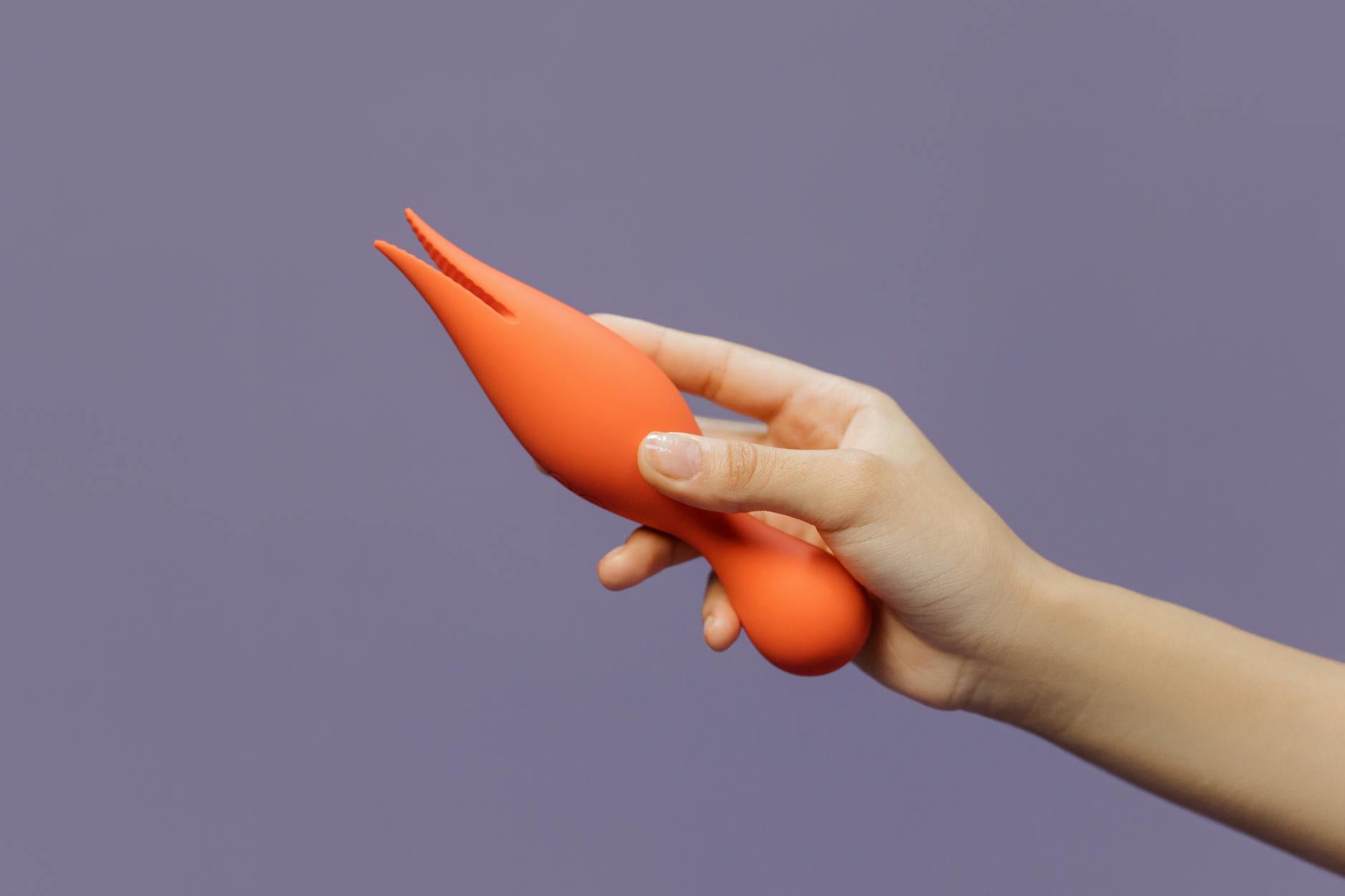
Photo by cottonbro studio on Pexels
What to avoid completely
Don't use alcohol or topical numbing agents to "get through" pain. That's masking the signal, not addressing it. You need to feel what's happening so your nervous system can actually learn.
Don't jump to high intensity hoping it'll work faster. Vulvodynia treatment is slow. Eight weeks to real shifts. Three to four months to significant change. Pushing too hard resets the clock.
Don't combine vibrator use with other pain management methods until you know what's working. If you're using topical estrogen cream, wait a week before adding vibrator use. If you're doing pelvic floor physical therapy, talk to your PT about timing. You want to know what's actually helping.
Don't use Hello Nancy products or any vibrator as a substitute for professional care. If you haven't seen a pelvic floor physical therapist, see one. Vulvodynia responds beautifully to PT. The vibrator amplifies that work. It doesn't replace it.
How this ties to rebuilding intimacy
Vulvodynia often appears alongside relationship tension. Pain shows up, intimacy stops, couples drift, and suddenly the vulvodynia feels worse because the relationship is stressed too.
Using a lemon vibrator thoughtfully can actually reverse that pattern. When you consistently experience pleasure in that area, your body's threat response drops. That calm nervous system helps everything. Sex feels possible again. Touch feels safe again. Connection rebuilds.
But it only works if you're patient with the process. This isn't about forcing pleasure. It's about gently inviting it back.
FAQ: Lemon Vibrators and Vulvodynia
Can I use my lemon vibrator every day if I have vulvodynia?
No. Three to four times a week is better. Your nervous system needs recovery time between sessions. Daily stimulation can actually reinforce tension and pain rather than reset it. Think of it like physical therapy for an injury. You don't rehab every single day.
What if the lowest setting still causes pain?
Then the vibrator isn't the right tool yet. Spend more time with pelvic floor physical therapy first. You might also try external vibration without direct contact. Hold the vibrator just above the skin or use it through a piece of fabric. The goal is to desensitize gradually, not force tolerance.
Is vulvodynia permanent?
No. About 40% of people see complete resolution with treatment. Many others see significant improvement. Pelvic floor physical therapy combined with mindfulness, stress management, and gentle stimulation like lemon clitoral vibrators works well. Recovery takes time, but it absolutely happens.
Should I tell my partner I'm using a vibrator to manage vulvodynia?
Yes, but frame it clearly. "I'm working on this with a tool that helps my nervous system recognize this area as safe again." Most partners respond well to understanding it's therapeutic, not replacing anything about your relationship. This is actually an opening for deeper conversation about intimacy and care.
Can I use lube designed for vulvodynia with my lemon vibrator?
Yes, water-based always. Some people use hyaluronic acid lubricants or those formulated specifically for sensitive vulvas. These are fine with the Lem or any silicone-free vibrator. Just avoid numbing lubes. You need to feel what's happening.
How long before I notice improvement?
Three to four weeks for small shifts. Eight weeks for real change. Some people notice within days that vibration feels less painful, but true nervous system rewiring takes time. Stick with it before deciding it's not working.
The real truth about pleasure and pain
Vulvodynia doesn't mean you've lost the capacity for pleasure. It means that capacity is wrapped up in protective pain right now. Your job is to slowly untangle that. A lemon vibrator, used thoughtfully, is one of the best tools for doing that work.
Your nervous system is trying to protect you. Thank it for that. Then gently show it that this area can be safe, can feel good, and can bring joy again. That's not forcing. That's healing.
If you're struggling with this, reach out. We're here to help you navigate pleasure with the body you have, pain and all.