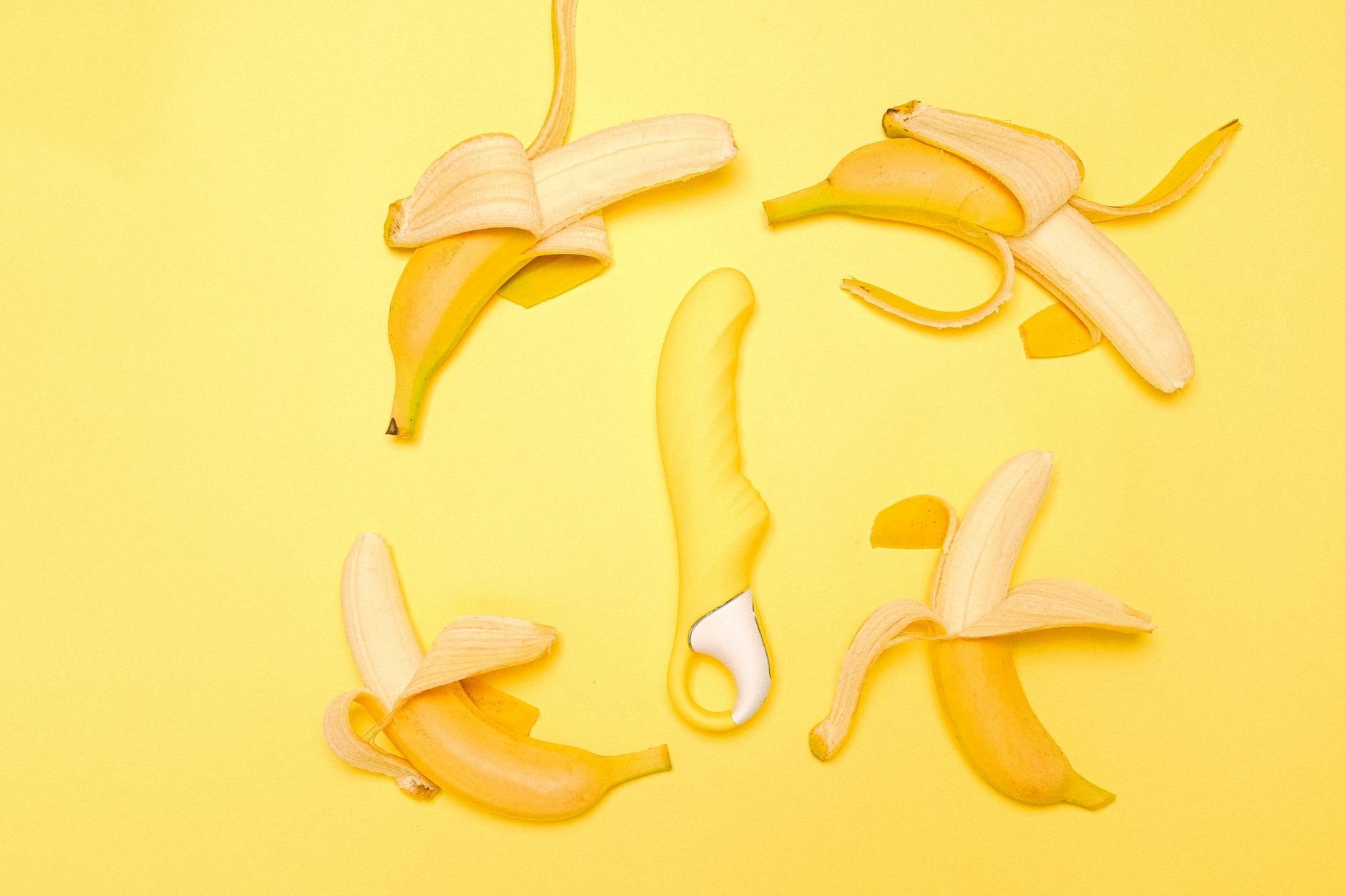
How to Choose a Lemon Vibrator If You're Recovering From Vaginal Atrophy
Vaginal atrophy is real, common, and deeply fixable. But it changes what feels good, which means your old approach to pleasure probably won't work anymore. The tissues have thinned, lubrication is different, and direct friction that felt amazing two years ago might feel like friction now instead.
Here's the thing nobody tells you: atrophy doesn't end your ability to feel pleasure. It just rewires it. A lemon vibrator, with its suction-based technology instead of the vibration-and-pressure model of standard vibrators, can actually be your most powerful tool for rebuilding sensation without the pain.
I'm going to walk you through exactly how to pick the right device, use it safely, and understand why this kind of recovery takes patience but absolutely works.
Why suction matters when tissue is thin or atrophied
Let's start with the mechanics. Vaginal atrophy shrinks tissue thickness around the vulva and vaginal canal. The skin becomes more fragile, drier, and more easily irritated. If you apply the kind of direct vibration pressure you're used to, you're essentially rubbing a toy against tissue that's already compromised. That's not going to feel good, and it might cause micro-tears.
A lemon vibrator works differently. Instead of vibrating, it creates gentle pulsing suction that stimulates nerves without requiring intense pressure or friction. Think of it like this: a wand vibrator is a power drill. A lemon sucker is a soft mouth. One works through friction and speed; the other works through gentle pressure and rhythm.
For atrophic tissue, suction is gentler because it doesn't require the tissue to be fully resilient to feel good. The stimulation happens through the nervous system, not through mechanical pressure.
What to look for when selecting your lemon vibrator
Not all lemon clitoral vibrators are identical, and if you're working with compromised tissue, the details matter.
Suction strength levels matter. Start with a device that offers at least 5-7 intensity settings, with the lowest settings being genuinely low. If the minimum setting is still too strong, the whole experience becomes frustrating. A good lemon vibrator should have a whisper-soft mode you can barely feel at first.
Size and cup fit are critical. The suction cup needs to seal well without requiring excessive force. If you're straining to get a good seal, that's pressure your tissue can't handle. Look for a smaller cup opening if you're recovering from serious atrophy. The opening should feel comfortable around your clitoris without demanding adjustment every five seconds.
Noise matters psychologically. Atrophy recovery is partly physical, partly mental. If your device sounds like a small aircraft, that anxiety kills arousal. A quieter device (under 40 decibels) helps you stay present instead of staying tense.
Battery life and materials. You're likely going to spend longer exploring because arousal takes longer to build with atrophied tissue. Rechargeable is better than batteries because you won't lose power mid-session. Medical-grade silicone is standard and important because damaged tissue doesn't need irritants.
How to actually use a lemon vibrator when tissue is compromised
Technique matters more now than it ever did. Here's my protocol for folks recovering from atrophy.
Lubrication is not optional. Even if you're using a lemon vibrator instead of traditional vibrators, you need lubrication. Water-based works best because it won't degrade the silicone and provides the glide your thin tissue needs. Apply generously to both the cup and your vulva. More than you think you need.
Start at the lowest setting. Don't test all the levels in your first session. Spend 10-15 minutes at intensity level 1 or 2. Your tissue is learning how to respond again. Rushing this phase defeats the purpose. Patience here means faster recovery later.
Apply the cup gently without forcing. Press the cup against your clitoris and vulva without jamming it. The seal should feel secure but not tight. If you feel pressure rather than gentle suction, the cup is positioned wrong. Adjust it slightly until the sensation shifts from pressure to a soft pulling feeling.
Let arousal build slowly. Atrophied tissue responds slowly. Budget 20-30 minutes instead of your old 5-10 minute warm-up. This isn't a waste of time. This is retraining your nervous system to respond to pleasure again. Some of my clients report that this slower pace actually becomes their preferred tempo even after tissue heals.
Stop if there's pain. Pleasure should feel like pleasure. Discomfort, burning, or sharp sensations mean stop immediately. You might need additional vaginal estrogen cream prescribed by your doctor before using a lemon vibrator. That's not failure. That's smart recovery.
Combining a lemon vibrator with medical treatment
If you're reading this and thinking "I'm also on vaginal estrogen cream," good. The two work together beautifully.
Vaginal atrophy usually has a medical component that responds to topical estrogen, DHEA (prasterone), or hormonal therapy. These treatments thicken tissue and increase natural lubrication. A lemon vibrator, used during this recovery phase, stimulates blood flow and nerves, accelerating the process.
Timing: apply your prescription cream as directed by your doctor. Wait 30 minutes. Then use your lemon vibrator. The cream is doing structural work; the vibrator is doing neurological work.
Talk to your gynecologist or sex therapist about adding a lemon vibrator to your recovery. Most clinicians are enthusiastic about it because the research is solid. Suction-based stimulation increases blood flow and sensation without the risks of friction-based devices.
Why sensation often comes back stronger
This is the part that surprises people. After weeks of using a lemon vibrator at lower intensities, with longer warm-up times, and with genuine attention to arousal building, many folks report that their eventual orgasms feel deeper and more satisfying than they did pre-atrophy.
Why? Because you've rebuilt the neurological pathways for pleasure from the ground up. You're not relying on speed or pressure. You're relying on attention, rhythm, and the complex chain of sensations that add up to real arousal. When tissue eventually thickens up (through estrogen therapy or time), you've got a more sophisticated approach to pleasure already in place.
You're not recovering to where you were. You're recovering to somewhere better.
Rebuilding confidence alongside tissue
Atrophy often arrives with shame. You internalize it as something you did wrong, or something that makes you less sexual, or a sign your body is broken. It's not. It's a normal physiological change that happens with age, hormonal shifts, medical treatment, or health conditions.
Using a device like a lemon vibrator is an act of agency. You're not waiting for your body to magically fix itself. You're actively rebuilding sensation and pleasure. That mental shift matters as much as the physical one.
If you're in a partnership, inviting your partner to this process also matters. How to use a lemon vibrator with your partner after being single for years covers that territory in depth, but the short version is: transparency about what you're experiencing removes shame and often deepens connection.
When to escalate intensity
After 3-4 weeks of consistent use at the lowest settings, you can start experimenting with slightly higher intensities if you want to. There's no rule that says you have to. Some people find that level 2 or 3 becomes their favorite and stays there permanently. That's completely fine.
If you do want to explore higher intensities, do it gradually. Jump up one level per session, spend a week there, then reassess. If something feels too intense, go back down. You're not training for a competition. You're rebuilding pleasure on your own terms.
Many people find that after tissue has healed, they still prefer lemon suction to traditional vibrators. The sensation is different, not less intense. Suction feels more enveloping; vibration feels more direct. Both work. One might suit you better, especially if you're recovering from atrophy.
FAQ: Lemon Vibrators and Vaginal Atrophy
How long does it take for atrophied tissue to respond to a lemon vibrator?
Most people start noticing increased sensation within 2-3 weeks of consistent use (3-4 times per week). Significant tissue thickening usually takes 8-12 weeks if you're also using topical estrogen. Everyone's timeline is different. Patience is part of the process.
Can I use a lemon vibrator if I'm already using vaginal estrogen cream?
Yes. Wait 30 minutes after applying the cream so it's absorbed, then use your device. The combination actually accelerates recovery. Your doctor can confirm it's safe for your specific situation, but most gynecologists encourage it.
Is it normal to feel pain at first?
Mild discomfort or a slight burning sensation can happen if tissue is very thin, but sharp pain is not normal and means stop immediately. You might need stronger topical treatment before adding vibrator stimulation. Talk to your doctor if pain persists.
Should I use lube with a lemon vibrator for atrophy?
Always. Atrophy means less natural lubrication, so external lube is essential. Use water-based only because silicone-based can damage the toy. Apply generously to both the cup and your vulva.
Can I use a lemon vibrator if I've had cancer treatment or radiation?
Maybe. Radiation and some cancer treatments can cause severe tissue damage that requires specialized care. Talk to your oncology team or a sex therapist who specializes in cancer recovery. Lemon vibrators are gentler than many alternatives, but your medical history matters here.
What if a lemon vibrator still feels too intense at the lowest setting?
Try using it with the cup inverted or held slightly away from your vulva to reduce suction strength. You can also use it through underwear initially. If nothing helps, you might need stronger topical estrogen treatment before adding vibrator stimulation. That's not a failure. That's respect for your body's healing timeline.
Moving forward
Atrophy is not the end of pleasure. It's a chapter where you get to rebuild pleasure intentionally, which often means building it better. A lemon vibrator is a legitimate tool for that work, not a band-aid.
Your body is resilient. Tissue regenerates. Sensation returns. And when it does, you'll have learned something about patience, attention, and what real arousal feels like when you slow down enough to feel it.
If you're navigating this alongside a partner, there's additional work in rebuilding intimacy together. If you're solo, this is your time to learn what you actually want without any pressure to perform. Either way, you're not broken. You're recovering, and recovery is where the good stuff happens.
Questions about your specific situation or worried you're not recovering at the expected pace? Get in touch. You deserve support through this.
Sources and further reading
Genitourinary Syndrome of Menopause (GSM). American College of Obstetricians and Gynecologists (ACOG). Patient education resources on vaginal atrophy and treatment options.
Walsh, T. L., et al. (2021). Vaginal estrogen therapy effects on sexual function in postmenopausal women. Menopause Review, 15(2). Evidence supporting topical estrogen for atrophy recovery.
Fortune, M. E., et al. (2016). Clitoral blood flow and sensation during sexual arousal. Journal of Sexual Medicine, 13(5). Physiological basis for why suction-based stimulation improves sensation in atrophic tissue.