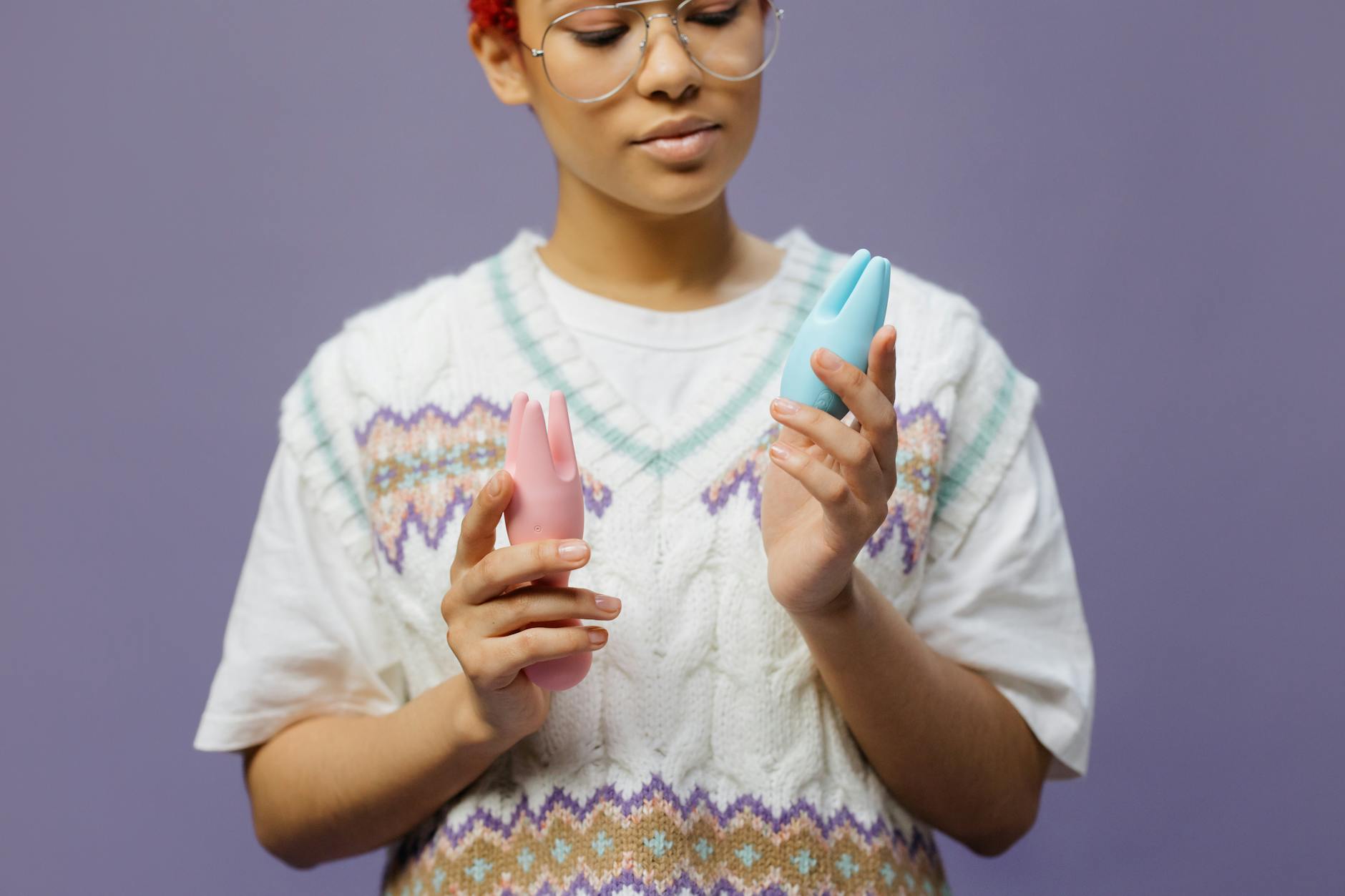
Your body adapts to everything, including pleasure
Let's be real. If you've been using a lemon vibrator regularly for years, it probably doesn't feel quite the same as it did in month two. That's not a problem. That's neuroscience. Your nervous system is literally rewiring itself based on repeated stimulation patterns, and understanding what's happening makes it way easier to work with instead of fighting it.
Here's what actually changes, what doesn't, and what you can do to keep sensation alive and interesting over the long haul.
The adaptation process is real, but not permanent
When you use any vibrator consistently, your nerve endings adjust. This is called sensory adaptation, and it happens with everything from pain to temperature to pleasure. The same 80-hertz frequency that felt electric in month one might feel routine in month three. That doesn't mean you're broken. It means your nervous system is doing exactly what it's supposed to do.
Here's the thing though. Adaptation is not the same as tolerance. You're not becoming "numb" in the way people often describe it. You're becoming accustomed to a specific input at a specific frequency. The good news is that means sensation is completely recoverable if you shift variables.
What actually shifts after long-term lemon vibrator use
Three main things tend to change.
Pattern recognition. Your body learns what's coming. It anticipates the rhythm, the intensity curve, the ramp-up. This can make arousal take slightly longer because your nervous system isn't surprised anymore. It's like listening to your favorite song a thousand times. Your brain knows every beat.
Intensity perception. The same vibration strength that felt intense years ago might register as moderate now. This isn't because your clitoris is less sensitive. It's because your brain has established a new baseline. Imagine turning on a light in a dark room versus the same light in a bright room. The light hasn't changed. Your reference point has.
Frequency preference. Many people find that after years of regular use, certain frequencies feel more satisfying than others. If you've been using the Lem at pattern 5, pattern 5 eventually becomes the path of least resistance. Your nervous system knows that pattern works and kind of defaults to it.
Here's what does NOT change. The actual nerve density in your clitoris. The architecture of your pleasure response. Your capacity for orgasm. Your body's ability to feel sensation.
Why sensation loss feels scarier than it actually is
When people describe long-term vibrator use as feeling "less pleasurable," what they're usually experiencing is decreased novelty, not decreased capacity. The vibrator still works. Your body still responds. But the element of surprise is gone, and surprise is a massive part of pleasure.
This is actually documented in relationship research too. Couples who've been together for decades report different but not worse sex once they understand this. The intensity-per-minute might decrease, but the satisfaction often increases because it's more intentional, more connected, more varied.
The fix is usually not to replace the device. It's to change how you use it.
Four ways to reset sensation after years of regular use
Take a planned break. This sounds counterintuitive, but three to seven days without vibration can genuinely restart sensitivity. You don't need a month-long reset. Even a week lets your nervous system recalibrate and re-establish baseline sensitivity. When you pick the lemon vibrator up again, you'll notice the difference immediately.
Switch patterns regularly. If you've been loyal to pattern 5, try starting with pattern 1. Use pattern 3 for a full week. Go back and forth between patterns mid-session instead of locking into one rhythm. Variable stimulation keeps your nervous system engaged because it's not pattern-matching anymore. It's responding instead of anticipating.
Mix intensity with duration. Instead of going straight to high intensity, spend time at medium intensity for longer. This changes the sensory profile entirely. Your nervous system gets sustained stimulation instead of a spike, and you often find that the pleasure curve is different and sometimes richer.
Combine tools or techniques. Layer the lemon vibrator with manual touch, partner touch, or different positions. The combination changes everything. When your nervous system gets simultaneous input from vibration plus pressure plus movement plus temperature, it's novel again even if you're using the exact same device.
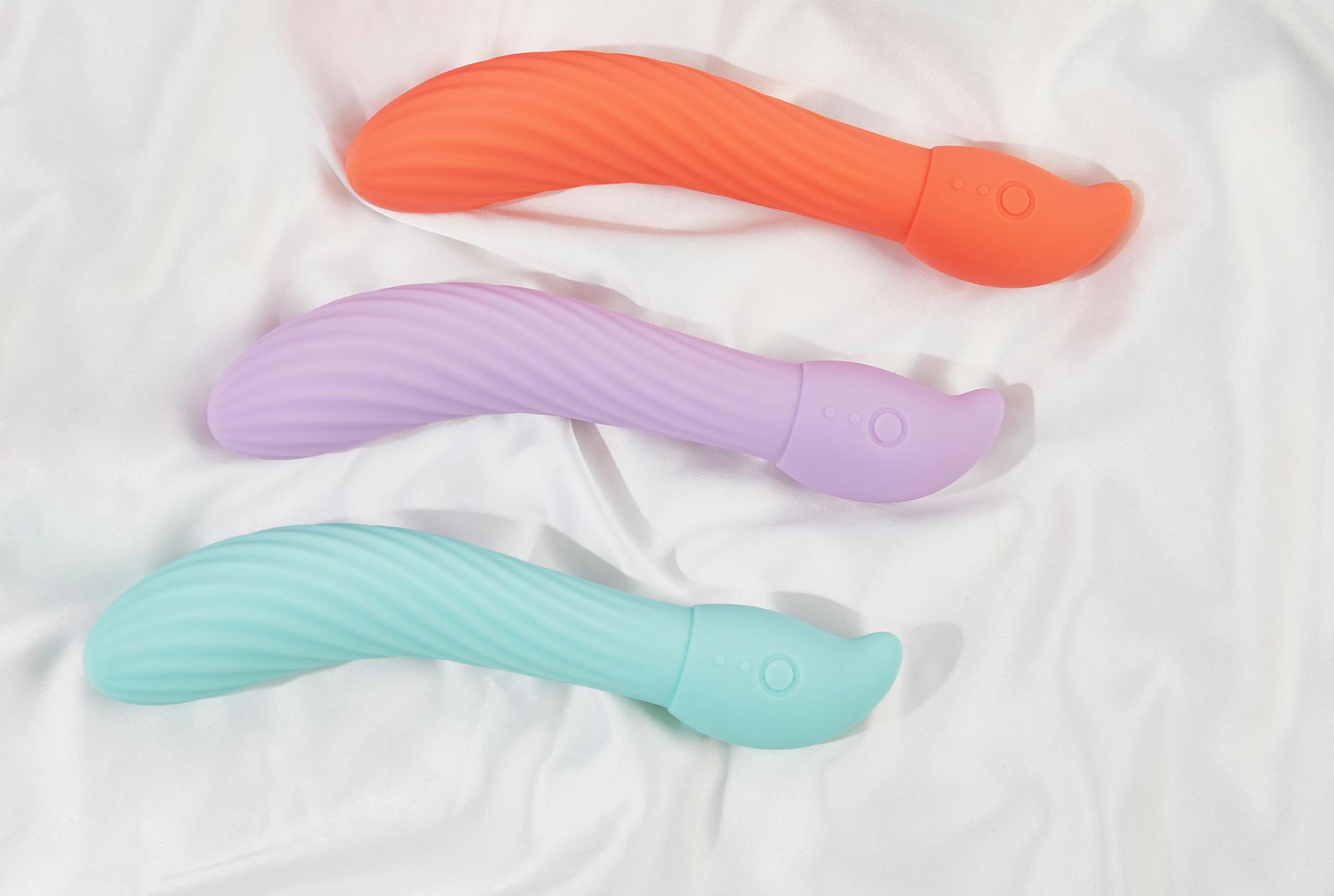
Photo by IFONNX Toys on Pexels
The role of mental state in long-term sensation
Honestly, this part matters as much as the neuroscience. After years with the same device, the psychological element can shift. You might be using it more automatically, less intentionally. You might have reduced novelty in your mental state when you're using it. Your brain is half on something else.
This is why couples report revitalized sex after therapy or reconnection work. The device didn't change. The attention changed. When you bring focused awareness, curiosity, and presence to the experience, sensation comes roaring back.
If you've been using a lemon vibrator for years primarily alone, introducing your partner or changing the context entirely can reset the whole experience. Same device, completely different feeling.
When adaptation might signal something else
If sensation has dropped off significantly and taking a break didn't help, consider whether something else is happening. Medications can genuinely affect pleasure response. Hormonal shifts absolutely do. Stress, anxiety, relationship tension, fatigue. All of these create a substrate where even a familiar device feels muted.
This is different from sensory adaptation. You'd recognize it because it feels like flatness across the board, not just with the vibrator. If this is happening, the fix isn't usually a new device. It's addressing the underlying thing first. Talk to your doctor if medications are involved. Consider what stress or anxiety might be playing a role. The clitoral vibrator is responsive. It amplifies what's there. It doesn't create sensation out of nothing.
What lemon vibrator patterns work best over time
After years of use, many people find they gravitate toward either very subtle patterns they once found boring, or completely novel patterns they haven't tried. This is worth experimenting with.
The Lem's range from gentle pulsing (1-3) to intense steady vibration (8+) means you can actually vary your approach based on what your body needs that day. Some days lower intensity for longer creates better sensation than high intensity for short bursts. Your nervous system might respond better to rhythm variation than steady frequency.
Try this: use pattern 2 for three full days. Then pattern 7 for one session. Then back to pattern 2. Notice what changes.
The bigger picture
Adaptation after years of lemon vibrator use isn't failure. It's evidence that your nervous system is exactly as responsive and plastic as it should be. That responsiveness is actually the feature that lets you recalibrate and find sensation again and again over a lifetime.
Most people don't need a new device. They need permission to vary their approach, take breaks, shift intensity, change context, and bring attention back to pleasure. The clitoral vibrator is still there. Your capacity for sensation is still there. Sometimes you're just resetting the conversation between the two.
People also ask
Can you use the same lemon vibrator after years and feel something different?
Completely. The device doesn't change, but your approach to it can. Switching patterns, taking breaks, using different intensities, and adding partner involvement all make a familiar device feel new. Your nervous system will adapt again each time you change variables. Sensation doesn't disappear. It shifts based on what your body is experiencing.
Does long-term vibrator use permanently change sensitivity?
No. Sensory adaptation is temporary and reversible. Even a short break of three to seven days can restore baseline sensitivity. What feels like permanent numbness is usually habit, not nerve damage. Your clitoral nerve endings don't lose sensation capacity from vibration alone. They adapt to repeated patterns and regain responsiveness when you introduce change.
Should I switch to a different lemon clitoral vibrator if sensation decreases?
Not necessarily as the first step. Different intensity, patterns, lubrication, and context often revive sensation with your existing device before you need something new. Try varying how you use it for a week or two. If sensation is still flat after that, a different tool with a different frequency profile or stimulation type (like suction) might offer novelty. But most people find that changing their approach works first.
How long does it take for your body to readjust to vibrator sensation?
A three to seven day break can restart sensitivity quickly. Some people notice difference after two or three days. Others need a full week. If you're not taking a formal break, switching patterns regularly (every few days or within sessions) keeps adaptation from locking in. Your nervous system readjusts fairly fast once you introduce variables it's not expecting.
Is it normal for vibrators to feel less intense over time?
Yes. Your nervous system adapts to frequency and intensity, so the same vibration can feel less dramatic after months or years of use. This is sensory adaptation, not damage. It's completely normal and reversible. Most people manage this by varying intensity, trying different patterns, or taking occasional breaks rather than replacing the device.
Can you rebuild sensation after years of the same vibrator?
Absolutely. Changing your pattern selection, taking breaks, varying intensity, introducing partner interaction, or shifting position while using a lemon vibrator all rebuild novelty for your nervous system. Sensation returns when you give your body something new to respond to. This works over and over across a lifetime. You can refresh sensation countless times with the same device just by changing how you engage with it.
The takeaway
Your nervous system is adaptive. That's a feature, not a bug. It means you can use a lemon vibrator for decades and keep discovering something new about pleasure if you're willing to explore variables. The device doesn't wear out. Your body doesn't break. You just get to become more intentional about what sensation actually means to you over time.