Let's start with what actually happens
Antidepressants don't kill your sexuality. That's the lie. The truth is more interesting and more fixable. These medications change the neurochemistry that supports arousal and orgasm. Not all of them do it equally. Not all of them do it permanently. And not all bodies experience it the same way.
If you're on an SSRI (selective serotonin reuptake inhibitor) like sertraline, paroxetine, or fluoxetine, you're already navigating this. SNRIs like venlafaxine and duloxetine can do it too. Tricyclic antidepressants, bupropion, and some atypical ones have different profiles. The specifics matter because if you understand which drug is affecting what, you can work with it instead of just accepting a dimmed version of yourself.
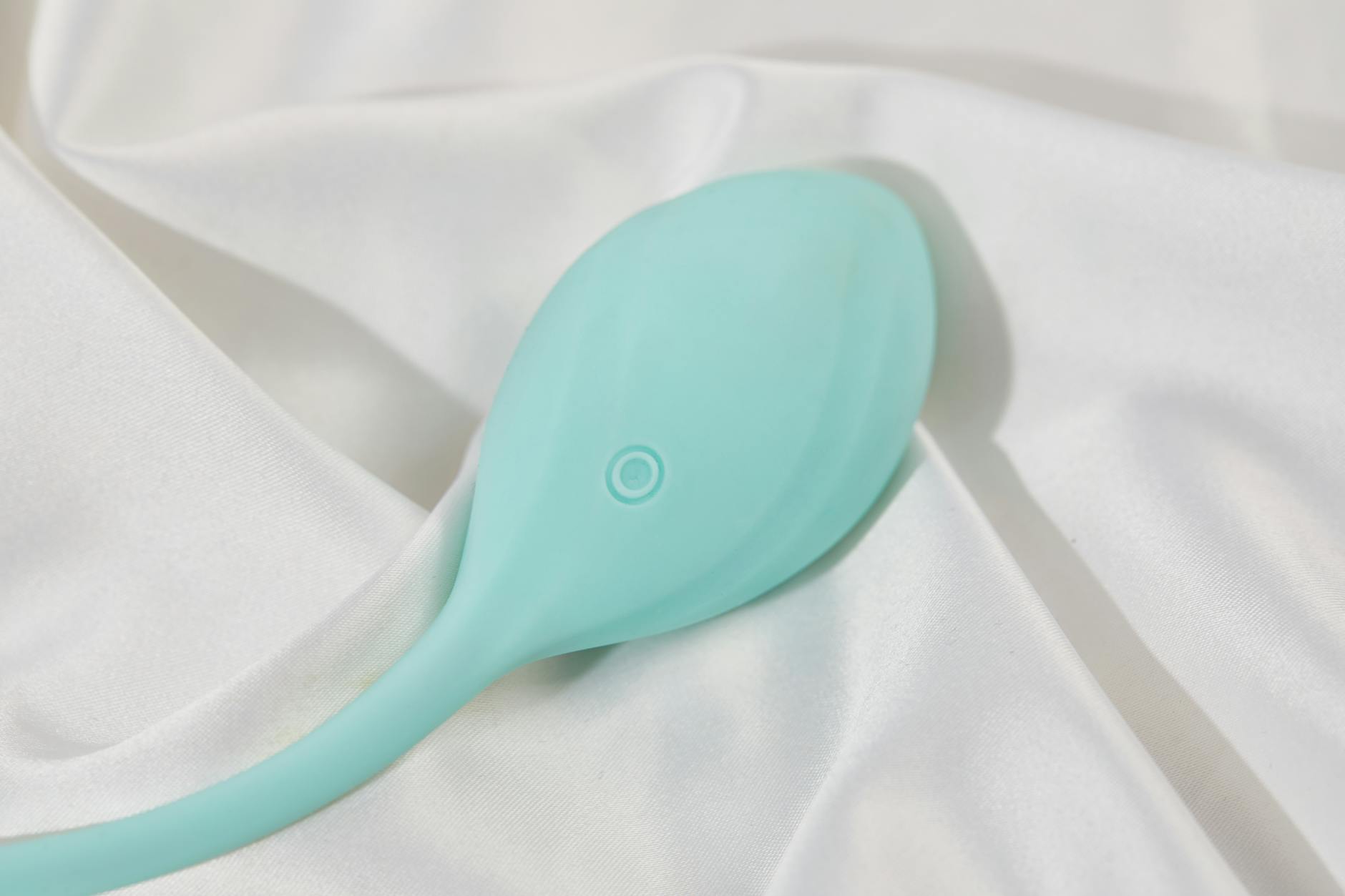
Here's the thing: a lemon vibrator doesn't fix the neurochemical side effect, but it works around it in ways that matter.
How SSRIs and SNRIs specifically affect arousal
Serotonin is involved in mood, but it also plays a role in sexual response. When you increase serotonin availability in your brain (which is what SSRIs do), you often get better mood regulation. You also often get a flattened arousal response, delayed or absent orgasm, or both.
The problem isn't your desire. Most people on SSRIs report that they still want sex. The problem is the pathway from wanting it to feeling it to finishing it feels clogged. It's like the signal gets stuck somewhere between your brain and your body.
SNRIs add norepinephrine to the equation, which can help with attention and alertness but doesn't necessarily fix the serotonin-related delay. Some people find SNRIs slightly easier on sexual function. Some don't.
Bupropion is different. It works on dopamine and norepinephrine without touching serotonin much, which is why people often cycle it in with an SSRI specifically to counteract sexual side effects. If you're on bupropion alone or as an add-on, you might notice fewer obstacles.
Tricyclics (older antidepressants) can cause sexual side effects through a different mechanism entirely, usually anticholinergic effects that dry things out. That's a separate problem with a separate set of workarounds.
Why a lemon vibrator specifically helps
A lemon clitoral vibrator works by suction, not direct vibration. This matters when your nervous system is on antidepressants.
Direct vibration requires your tissues to wake up and respond to that specific sensation. When arousal is slower and flatter, that wake-up takes longer. You can be there for twenty minutes and feel like nothing's happening, which creates frustration and then actual numbness from tension.
Suction works differently. It creates a broad stimulation pattern that engages the entire clitoral complex, not just the surface. For people whose arousal pathway is chemically delayed, this pattern often feels more likely to breakthrough because it's hitting a wider neural target.
One other thing: suction devices like the Lem apply steady, predictable pressure. There's no ramping or pulsing or pattern switching. Your body doesn't have to decode a complicated rhythm. It can focus on responding to one consistent input. When your neurochemistry is working against you, simplicity is a feature, not a limitation.
The timing question: when to use it
Antidepressants have absorption patterns. Most SSRIs take 30 minutes to 2 hours to peak in your blood. Their sexual side effects don't work on that timeline. They build up over days.
But here's a practical thing some of my clients find useful: if you take your medication at night, your morning arousal response might be slightly easier than your evening response (assuming you've been on it long enough to reach steady state). Not dramatically easier. But measurable.
Some people also find that working with their bodies rather than against their timing helps. If you know orgasm takes longer, budgeting 30 or 40 minutes instead of 10 isn't defeat. It's working with neurobiology instead of pretending the problem isn't there.
Lubrication becomes even more important
Some antidepressants (particularly the anticholinergic ones and some SSRIs) reduce natural lubrication. Add that to longer arousal times and you've got a friction problem on top of a sensation problem.
Water-based lubricant is your friend. Use more than you think you need. Reapply halfway through. The goal isn't to feel wet. The goal is to remove friction as a barrier so your body can focus on sensation instead of discomfort.
This isn't optional if your medication is anticholinergic. It becomes very optional differently depending on which SSRI you're on, but preemptively using it removes a variable. One less thing for your nervous system to work around.
Talking to your doctor about this isn't shameful
Honestly. Your sexual function matters to your quality of life. It matters to your relationship if you have a partner. It matters to your sense of yourself.
A good prescriber will ask about sexual side effects at follow-ups. If they don't and they should, bring it up. You're not complaining. You're reporting on whether the medication is actually working for your whole life or just your mood.
There are several routes: timing changes, dose adjustments, switching to a medication with a lower sexual side effect profile (like bupropion or mirtazapine), adding something in (bupropion is commonly added for exactly this reason), or using tools like a lemon vibrator to work around the chemistry.
None of these are admission of defeat. They're all legitimate clinical strategies.
What to expect when you're using a lemon clitoral vibrator on antidepressants
Organ might take longer. That's the honest part. You might be using the Lem for thirty minutes and feel close but stuck. That's often antidepressant sexual dysfunction, not the toy and not you.
The fact that you don't reach orgasm quickly doesn't mean the sensation isn't happening. Some of my clients report that the pleasure builds more slowly but sometimes feels more integrated, less surface-level. Not everyone experiences it that way. Some people just find it frustrating.
If you reach a point where you're exhausted and haven't finished, that's a cue to stop and try again another time, not to white-knuckle harder. Your body isn't broken. Your neurochemistry just needs a different approach.
Some people find that the mental clarity of a lemon vibrator's single, steady pattern helps them stay present instead of spiraling into frustration. Some don't. It depends on how your particular brain responds to your particular medication.
Combining strategies works better than any single one
Longer warm-up time. Lubrication. A clitoral vibrator designed for the pattern your antidepressant-affected nervous system can actually track. Removing performance pressure. Using it solo first to understand your own response before integrating a partner.
If you're with a partner, one conversation that helps: separating the pleasure conversation from the medication conversation. Your partner doesn't need to fix your antidepressant. You both need to adapt to what the medication actually allows right now. That's different work.
Many people also find that a lemon vibrator feels less complicated to integrate with a partner than a wand vibrator or internal vibrator. The suction sensation is distinct enough that partners aren't competing with it. It's not a replacement. It's a different tool.
The dose and time matter more than you'd think
If you're newly on an antidepressant, sexual side effects often peak around weeks 2 to 6. Some people have a partial return of function around week 8. Some people don't. It's not linear.
If you've been on your medication for months or years and sexual function hasn't bounced back, that's not because you'll never have pleasure again. It's because your particular dose or medication isn't the right fit for your whole life. That's worth revisiting with your prescriber.
Doses matter too. Sometimes a tiny reduction helps. Sometimes switching from morning to evening dosing helps. Sometimes it doesn't help at all and a different medication is the answer.
The point is: antidepressant-related sexual side effects are real, they're common, and they're not character flaws. They're pharmacology. And they're often worth the conversation that gets you to a version of yourself that feels like you again.
People also ask
Can you have an orgasm on antidepressants?
Yes. Most people do, though it often takes longer. About 40 to 60 percent of people on SSRIs report some degree of sexual dysfunction, but "sexual dysfunction" is a spectrum. It doesn't mean orgasm is impossible. It means the neurological pathway is slower or requires more targeted stimulation. A lemon vibrator's focused suction pattern often provides exactly that.
Does stopping antidepressants improve sexual function?
Often, yes. But that's not the right solution for most people. Coming off antidepressants comes with its own risks. Depression can return. Discontinuation syndrome is real. The right approach is working with your prescriber to find a medication and dose that serves your mood and your sexuality, not choosing between them. That conversation is worth having. Sometimes it takes trying two or three medications to find the fit.
Do all antidepressants cause sexual side effects?
No. Bupropion and mirtazapine are known for having lower rates of sexual dysfunction. Some people experience no sexual side effects on SSRIs or SNRIs. It's individual. If your current medication is significantly impacting your sexuality and nothing else about it is working, switching is legitimate.
Can you use a lemon vibrator safely with antidepressants?
Completely safely, yes. There are no drug interactions between antidepressants and lemon vibrators or any silicone sex toys. The only consideration is that antidepressants might require you to adjust your approach. Longer warm-up. More lubrication. Different expectations about timing. But the tool itself is safe.
Will using a lemon vibrator all the time on antidepressants make numbing worse?
Not inherently. The numbing from antidepressants comes from neurochemistry, not from the toy. If you're experiencing numbing sensation (true desensitization, not just difficulty reaching orgasm), that's worth mentioning to your prescriber because it might indicate the dose needs adjusting. The vibrator isn't causing the numbing. The medication is. The vibrator is just the tool you're using while that's happening.
Is it normal to take longer to orgasm on antidepressants?
Yes. It's one of the most common sexual side effects. If you've been on your medication for more than 8 weeks and orgasm is significantly harder to reach than it was before, that's worth discussing with your prescriber. Sometimes a small adjustment helps. Sometimes adding something in helps. Sometimes switching helps. None of those are giving up. They're problem-solving.
The bottom line
Antidepressants are often necessary and life-changing for mood. Your sexuality doesn't have to be the trade-off for that. A lemon vibrator is one tool in a larger conversation about how to maintain pleasure and intimacy while taking care of your mental health.
If you're struggling with sexual side effects, start the conversation with your prescriber. Bring specific information. "Orgasm takes longer" is more useful than "nothing works." If medication adjustments aren't helping or aren't an option, tools like a Hello Nancy lemon clitoral vibrator can genuinely help you access sensation and pleasure in ways that work with your neurochemistry instead of against it.
Your pleasure matters. Your mental health matters. You don't have to choose between them.